To clean linen effectively, choose a gentle detergent suited for your fabric and pre-treat stains promptly with baking soda, dish soap, or stain removers. Wash on a gentle or normal cycle with appropriate water temperature, then remove linens promptly to prevent wrinkles. For best results, air dry or tumble dry on low, smooth out damp linens before folding or ironing on suitable heat. Following these tips helps keep your linen crisp and fresh—keep going to discover more useful techniques.
Key Takeaways
- Choose appropriate, enzyme-based, or hypoallergenic detergents suited for linen fabric types.
- Pre-treat stains promptly with baking soda, stain removers, or dish soap for effective removal.
- Wash on gentle cycles with correct water temperature based on care labels, avoiding overloading.
- Remove linens promptly, and dry on low heat or air dry to prevent wrinkles and fabric damage.
- Iron slightly damp linens on suitable heat settings and handle gently to minimize wrinkles.
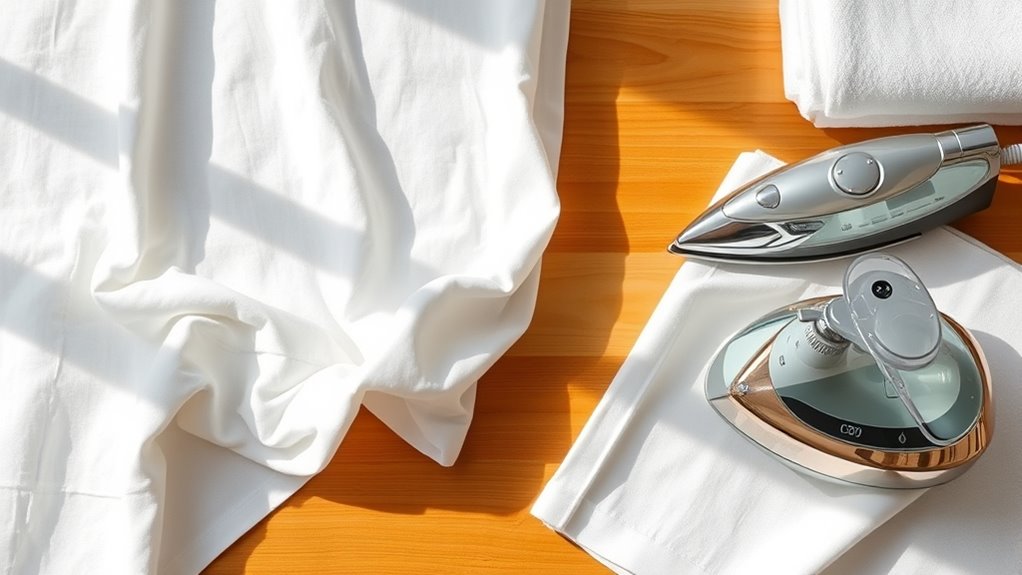
Cleaning linen is an essential task that keeps your bedding fresh, hygienic, and comfortable. When it comes to washing your sheets and pillowcases, choosing the right detergent is crucial. You want a detergent that effectively cleans without damaging the fabric or causing irritation. Look for a product with proper stain removal techniques, especially if your linen has stubborn spots or spills. A good detergent with enzymes can break down protein-based stains like sweat or body oils, making stain removal easier. Additionally, if you have sensitive skin or allergies, consider a hypoallergenic or fragrance-free detergent to avoid irritation.
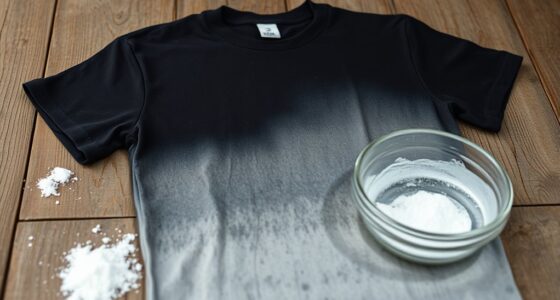
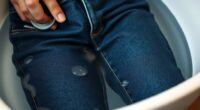
Before tossing your linen into the wash, always check the care label. It provides valuable information about water temperature and cycle preferences. Using the correct temperature is vital; hot water kills germs and removes oils better, but some delicate fabrics may require cooler settings. When selecting your detergent, consider your linen’s fabric type and any specific stain issues. For example, if you notice a lot of sweat stains, pre-treat those areas with a stain removal technique such as applying a mixture of baking soda and water or a commercial stain remover before washing. For food or drink spills, act quickly to blot the stain and treat it with a stain remover or a bit of dish soap directly on the spot.
Effective stain removal techniques are key to keeping your linen looking pristine. Always treat stains promptly to prevent them from setting. For organic stains like blood or wine, soaking the fabric in cold water first can help lift the stain. For greasy stains, applying a small amount of dish soap directly to the stain and letting it sit for a few minutes before washing can make a difference. When washing, avoid overloading your washing machine, as this prevents proper cleaning and rinsing. Use the right cycle—typically a normal or gentle cycle for linen—so the fabric isn’t subjected to unnecessary stress that could cause damage or excessive wrinkling. Proper drying and handling are also crucial to prevent wrinkles and fabric damage.
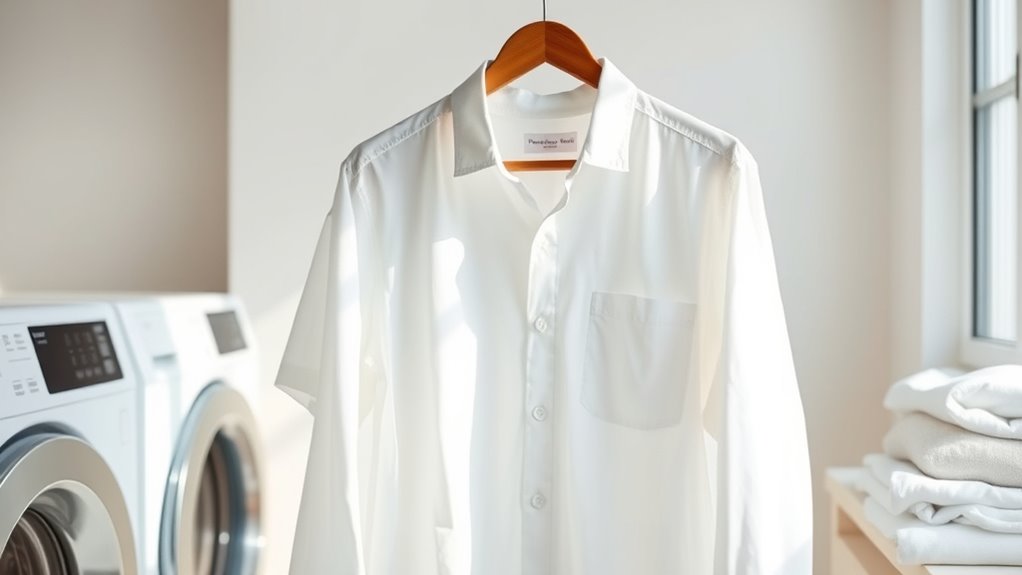
Once the wash cycle ends, promptly remove the linen from the machine to prevent wrinkles from setting in. Dry your linens according to the care label—either tumble dry on low or air dry. To minimize wrinkles, remove the linen while slightly damp and smooth out any creases before hanging or folding. Ironing can also help, especially if you prefer crisp, smooth bedding. Using the appropriate heat setting for your fabric ensures you won’t scorch or damage the material. Following these best practices for detergent selection, stain removal techniques, and proper drying will keep your linen looking fresh, clean, and inviting every time you make your bed. Being aware of fabric care labels and specific fabric needs further enhances your linen maintenance routine.

Purex Natural Elements Fresh Lilies & Linen Liquid Detergent, 82.5 oz, 165 Loads, Ultra-Concentrated, Dye-Free, USDA Certified Biobased Product
FIGHTS 99% OF EVERYDAY STAINS: Purex Natural Elements Laundry Detergent delivers a powerful clean that tackles common stains…
As an affiliate, we earn on qualifying purchases.
As an affiliate, we earn on qualifying purchases.
Frequently Asked Questions
How Often Should Linen Be Washed for Optimal Hygiene?
You should wash linen at least once a week to maintain ideal hygiene. Regular washing prevents bacteria buildup and keeps your fabric durable over time. Store your linen properly in a clean, dry linen storage area to avoid dirt and moisture, which can weaken the fabric. By sticking to this schedule, you guarantee your linen stays fresh, clean, and long-lasting, while also preserving its quality and appearance.
Can Linen Be Cleaned Using Eco-Friendly or Natural Detergents?
Yes, you can clean linen using eco-friendly detergents and natural cleaning options. These alternatives are gentle on fabrics and safe for the environment. Look for plant-based, biodegradable detergents that effectively remove dirt and bacteria without harsh chemicals. Using natural cleaning options like vinegar or baking soda can also help freshen your linen while maintaining its quality. This approach supports sustainability and keeps your linen clean and fresh.
What Are the Best Methods to Prevent Linen From Shrinking?
To prevent linen from shrinking, you should avoid high heat during washing and drying, as heat causes fabric shrinkage. Use a gentle cycle with cold water and add fabric softening to keep fibers relaxed. Air-drying is best, but if you use a dryer, choose a low or no-heat setting. This helps maintain your linen’s size and softness while reducing the risk of fabric shrinkage.
How Can I Remove Stubborn Stains From Linen Effectively?
A stitch in time saves nine, so tackle stubborn stains promptly. To remove them effectively, start with fabric pretreatment by applying a stain remover directly to the spot. Gently rub it in and let it sit for a few minutes. Then, wash the linen in the hottest water safe for the fabric. For persistent stains, repeat the process. This approach guarantees thorough stain removal and keeps your linen looking fresh.
Is It Better to Air Dry or Machine Dry Linen for Longevity?
You should air dry your linen for better longevity, as it benefits from gentle drying that reduces wear and tear. Air drying helps prevent the risks associated with machine drying, such as shrinking, weakening fibers, and setting wrinkles. Plus, it’s more eco-friendly and preserves the fabric’s quality over time. While machine drying is quicker, opting for air drying guarantees your linen stays softer, stronger, and lasts longer.

Vintage Fabric Stain Remover – Safely Cleans Retro & Antique Textiles – Made in the USA – Gently Removes Yellowing & Tough Stains From Vintage Linens, Quilts, Dresses, Doilies 16 Ounce (Pack of 1)
SAFELY RESTORES ANTIQUE FABRICS – Gentle on colors and fibers yet effective against decades of yellowing and stubborn…
As an affiliate, we earn on qualifying purchases.
As an affiliate, we earn on qualifying purchases.
Conclusion
By following these best practices, you’ll keep your linen fresh and inviting, like a breath of spring air. Remember, proper washing and wrinkle management are the keys to maintaining its beauty and longevity. Treat your linens with care, and they’ll reward you with comfort and elegance every time you use them. With a little effort, you transform laundry day into a simple dance—smooth, effortless, and satisfying, turning your home into a sanctuary of cleanliness and coziness.

Downy Wrinkle Releaser Spray, All In One Formula, Removes Wrinkles, Static and Odor Eliminator, Crisp Linen Scent, 33.8 Fl Oz, Pack of 2 (Packaging May Vary)
You will receive two 33.8 fl oz bottles of Downy Wrinkle Releaser All-in-One Spray: Wrinkle Remover, Static Remover,…
As an affiliate, we earn on qualifying purchases.
As an affiliate, we earn on qualifying purchases.

OnlySet 4Pcs Organic Linen Sheets Queen Size, 100% French Linen from Normandy, Breathable Natural Linen Queen Sheet Set with 16 Inch Deep Pocket, 1 Flat Sheet, 1 Fitted Sheet, 2 Pillowcases
100% FRENCH NATURAL LINEN: ONLYSET' linen sheets are made from French linen – a true luxury, since premium…
As an affiliate, we earn on qualifying purchases.
As an affiliate, we earn on qualifying purchases.