Fabric density considerably impacts durability because tighter weaves create stronger textiles that resist tearing, punctures, and wear. When fibers are woven closely together, the fabric becomes more resilient and maintains its appearance over time. Looser weaves tend to weaken quickly and are more prone to fraying or damage. By understanding how density influences durability, you can choose fabrics better suited for your needs. Keep exploring to discover how different types of fabrics perform in various applications.
Key Takeaways
- Higher fabric density creates a tighter fiber weave, enhancing resistance to tears, frays, and punctures.
- Dense fabrics distribute tension evenly, increasing their ability to withstand stretching and pulling forces.
- Increased fiber cohesion in denser fabrics improves overall strength and prolongs durability.
- Lightweight, loosely woven fabrics are more susceptible to damage and wear over time.
- Proper fabric density selection based on usage ensures optimal durability and performance.
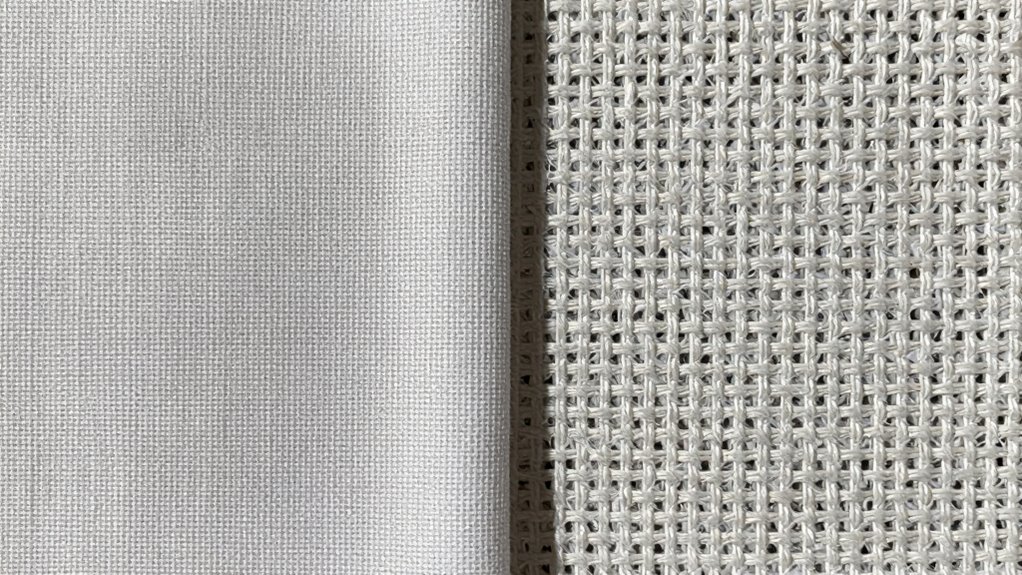
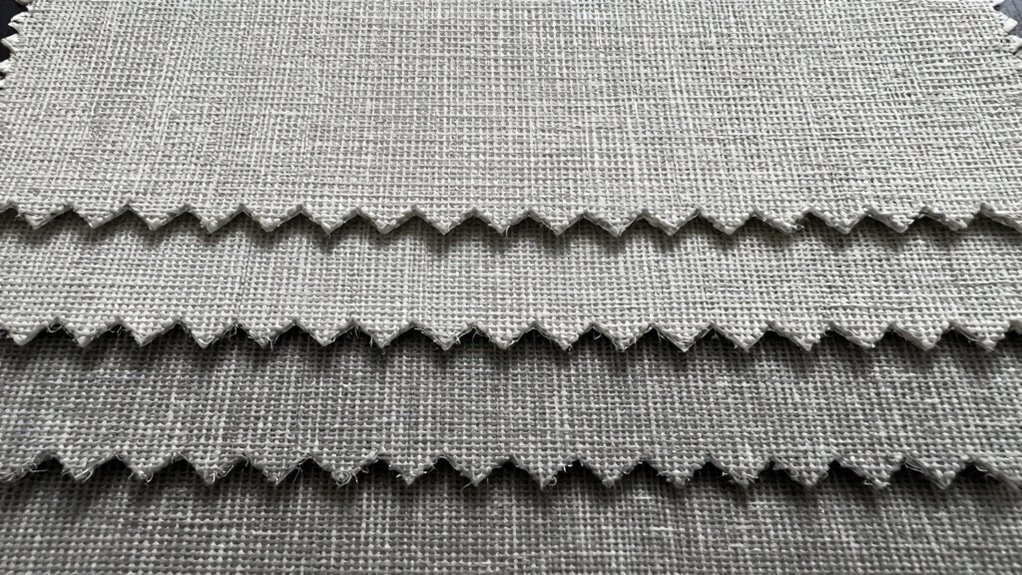
Fabric density plays a essential role in determining how durable a textile will be over time. When you examine a fabric’s density, you’re looking at how closely the fibers are woven together. This tightness directly influences the fiber weave, which is the pattern in which fibers are interlaced, and ultimately impacts the textile’s strength and resilience. A denser fabric means the fibers are packed more tightly, reducing the spaces where tears or frays can start. As a result, fabrics with higher density tend to withstand everyday wear and tear better, maintaining their appearance and function longer.
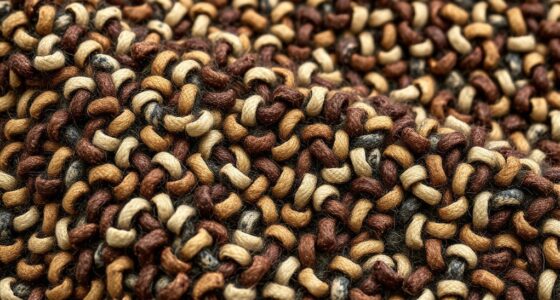
The fiber weave pattern plays a key role here. A tight, uniform weave not only creates a dense fabric but also contributes to higher tensile strength. Tensile strength refers to the fabric’s ability to resist breaking under tension. When you pull or stretch a dense fabric, the tightly woven fibers distribute the tension more evenly across the textile, making it less likely to rip or tear. Conversely, if the weave is loose or open, the fabric’s tensile strength diminishes because the fibers aren’t holding together as securely. This means that fabrics with a looser weave are more prone to damage when subjected to stress, reducing their durability over time.
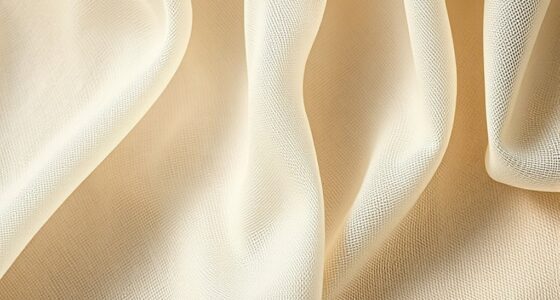
You’ll notice that fabrics with higher density often feel more substantial and sturdy. Think about denim or canvas—these textiles are known for their durability because of their dense fiber weave. Their high density ensures the fibers are tightly packed, which enhances tensile strength and helps resist punctures, abrasion, and stretching. On the other hand, lightweight fabrics like chiffon or voile have a looser weave and lower density, making them more delicate and less suited for heavy-duty use. When considering durability, you need to match the fabric’s density to its intended purpose. For instance, outdoor gear or workwear benefits from high-density fabrics that can endure rough handling, while decorative or lightweight clothing may prioritize softness over density. Additionally, understanding how fiber density impacts fabric performance can guide you in choosing textiles that will stand the test of time, especially when considering fabric longevity. Recognizing the relationship between fabric density and its performance characteristics can help you select the most appropriate textile for your specific needs. Moreover, the cultural variations in textile production also influence fabric density and durability, which is important to consider when selecting fabrics from different regions.

Rustler Men's Classic Regular Fit Jean,Stonewash,36W x 32L
- Fit: Regular fit through seat and thigh
- Pockets: 5-pocket styling
- Leg Style: Straight leg
As an affiliate, we earn on qualifying purchases.
As an affiliate, we earn on qualifying purchases.
Frequently Asked Questions
How Does Fabric Density Affect Comfort and Breathability?
Higher fabric density can make your clothing less breathable because the tight fiber weave traps more moisture and air. This might cause discomfort, especially in hot or humid conditions, as moisture retention increases and airflow decreases. Conversely, lower density fabrics allow better breathability and airflow, keeping you cooler and more comfortable. So, the fabric density directly impacts how well your clothing manages moisture and comfort throughout the day.
Can Increasing Fabric Density Lead to Stiffer Textiles?
Increasing fabric density can indeed lead to stiffer textiles. As you add more fibers per unit area, fabric stiffness rises, reducing textile flexibility. This means the material becomes less pliable and more rigid, which might affect comfort. If you desire a softer, more flexible fabric, you should consider lower density options. Conversely, higher density fabrics offer durability but at the cost of increased stiffness and decreased flexibility.
Does Fabric Density Influence Stain Resistance?
Fabric density acts like a fortress, making it tougher for stains to penetrate. Higher fabric density reduces fabric porosity, meaning liquids and spills aren’t as easily absorbed. So, if you choose a denser fabric, you’ll notice better stain resistance, keeping your textiles cleaner longer. It’s like sealing off tiny pathways, preventing stains from settling in. In short, increasing fabric density boosts stain resistance by decreasing fabric porosity.
How Is Fabric Density Measured in Textile Manufacturing?
You measure fabric density in textile manufacturing by calculating the weight per unit area, typically grams per square meter (GSM), or by counting yarns per inch in both warp and weft directions. Fiber composition impacts this measurement, as different fibers contribute to weight and structure. Weaving techniques, like tightness and pattern, also influence fabric density, affecting its overall feel and durability.
Are Denser Fabrics More Environmentally Sustainable?
Think of fabric density as a double-edged sword—denser fabrics might be more durable, but they often come with a higher environmental impact. They require more resources to produce, which can strain ecosystems. While they’re resource-efficient in longevity, their manufacturing process can harm the environment. So, denser fabrics aren’t automatically more sustainable; it depends on how they’re made and how you weigh durability against environmental impact and resource efficiency.
Conclusion
In the end, fabric density is like the backbone of durability—thicker fibers act as a shield against wear and tear. When you choose a denser fabric, you’re selecting a sturdy fortress that withstands life’s storms. Think of it as weaving strength into your garment’s very fabric, transforming fragile threads into an unbreakable tapestry. So, next time you pick your cloth, remember: density isn’t just a number; it’s the armor that keeps your clothes lasting longer.