To make your clothes last longer, choose gentle, high-quality detergents tailored for each fabric and avoid overusing them. Turn your clothes inside out and wash similar colors together at cold or lukewarm temperatures to prevent fading and damage. Use fabric softeners carefully, and always follow the instructions. Air-dry whenever possible and store garments properly to prevent moths and mold. Keep caring tips in mind, and you’ll find simple ways to extend your wardrobe’s life every day.
Key Takeaways
- Choose gentle, fabric-specific detergents and avoid overuse to prevent fiber damage and color fading.
- Turn clothes inside out before washing to protect outer surfaces from friction and fading.
- Use appropriate water temperatures and gentle cycles based on fabric care labels to maintain fabric integrity.
- Air-dry clothes whenever possible and use low heat settings to prevent shrinking and fiber weakening.
- Store garments properly in a clean, dry environment to prevent damage and extend their lifespan.

Taking good care of your clothes can extend their lifespan and keep them looking fresh. One of the most important steps is choosing the right laundry detergents. Not all detergents are created equal, and selecting a gentle, high-quality option can prevent unnecessary wear and tear. Look for detergents formulated for your specific fabrics, whether it’s delicate silks or sturdy cottons. Using too much detergent can leave residues that damage fibers over time, so measure carefully. Additionally, avoid harsh chemicals or bleach unless necessary, as these can weaken fabric fibers and cause fading. Properly rinsing clothes ensures all detergent is removed, leaving your garments clean but not overly processed.
Fabric softeners also play an essential role in maintaining your clothes’ quality. They help reduce friction between fibers, which minimizes pilling and extends the fabric’s softness. When used correctly, fabric softeners make clothes feel more comfortable and look newer longer. Just be cautious not to overuse them, especially on towels and athletic wear, as excess softener can build up and reduce fabric breathability. Always follow the instructions on the label for best results. Some fabrics, like microfiber or moisture-wicking athletic gear, might not benefit from softeners at all, so check the care labels before applying.
In addition to choosing the right products, pay attention to your washing routine. Turn clothes inside out before washing to protect the exterior from friction and fading. Avoid overloading the washing machine, as crowded loads cause more agitation, which can stretch or tear delicate fabrics. Wash similar colors together to prevent dye transfer, and opt for cold or lukewarm water whenever possible—hot water can cause colors to fade and fibers to weaken. For items prone to shrinking or color bleeding, consider hand washing or using gentle cycles. Following proper fabric care guidelines can significantly prolong the life of your wardrobe. Using appropriate water temperature also helps preserve fabric integrity and color vibrancy over time. Incorporating proper washing methods can further enhance fabric longevity and overall garment quality.
Drying is another crucial part of fabric care. Instead of throwing everything into the dryer, air-dry your clothes when you can. If you must use a dryer, opt for a low heat setting to prevent shrinking and fabric damage. Remove clothes promptly once dry to avoid wrinkles and reduce the need for ironing. Proper storage also matters; fold or hang clothes neatly and keep them in a clean, dry place to prevent moths, mold, or other damage.
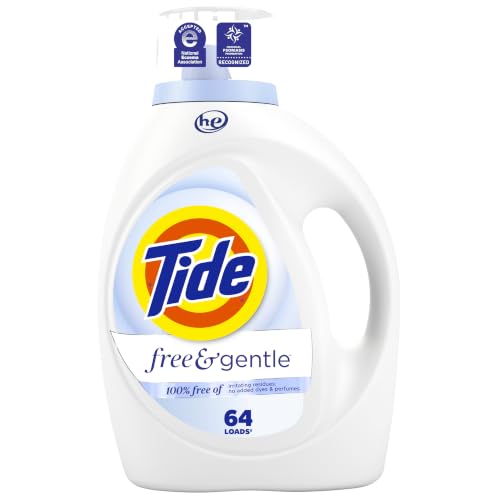
Tide Free & Gentle Liquid Laundry Detergent, 64 Loads, 84 fl oz, Tide Laundry Detergent, Clean Laundry Detergent
- Deep Clean: Removes more stains gently
- Dye and Perfume Free: Suitable for sensitive skin
- Gentle on Skin: Minimizes skin irritation
As an affiliate, we earn on qualifying purchases.
As an affiliate, we earn on qualifying purchases.
Frequently Asked Questions
How Often Should I Wash Delicate Fabrics?
You should wash delicate fabrics after every 3 to 4 wears or when visibly dirty. Use fabric softening to keep fibers supple and prevent stiffness. When ironing, employ gentle techniques, like low heat and a pressing cloth, to avoid damage. Washing too often can wear out delicate fibers faster, so spot clean when possible. Proper care, including gentle washing and careful ironing, helps your delicate clothes stay looking new longer.
What’s the Best Way to Remove Stains Without Damaging Fabric?
Stains can feel like enemies, but with the right approach, you can beat them without harming your fabric. Start by gently blotting the stain—avoid rubbing, which can damage fibers. Use stain removal techniques like cold water or a mild solution, and apply fabric pre-treatment methods such as a stain remover pen or diluted detergent. Act quickly, and you’ll preserve your clothes’ quality and extend their lifespan.
Can Fabric Softeners Extend Clothing Lifespan?
Fabric softeners don’t really extend your clothing’s lifespan; in fact, fabric softener myths often suggest they do, but they can actually weaken fibers over time. Instead, consider softener alternatives like vinegar or baking soda, which soften fabrics naturally without damage. Using gentle detergents and avoiding high heat during drying also helps your clothes last longer. These tips keep your wardrobe looking fresh and durable, saving you money in the long run.
How Should I Store Seasonal Clothing Properly?
To store your seasonal wardrobe properly, start by cleaning clothes thoroughly to prevent stains and odors. Use breathable storage containers or garment bags to protect fabrics from dust and pests. For example, someone stored winter sweaters in sealed plastic bins, but they caused mold. Instead, opt for breathable options and store in a cool, dry place. Follow these storage tips to keep your seasonal clothing fresh and ready for next year.
Are There Eco-Friendly Fabric Care Options?
Yes, you can choose eco-friendly fabric care options by using eco-friendly detergents that are biodegradable and free from harsh chemicals. Opt for biodegradable fabrics whenever possible, as they break down naturally and reduce environmental impact. You should also wash clothes in cold water, use eco-conscious laundry practices, and avoid excessive drying to further minimize your carbon footprint. These choices help protect the planet while keeping your clothes in good shape.
Conclusion
By treating your clothes with gentle hands and mindful routines, you’re planting seeds for their longevity. Think of each wash and fold as tending a delicate garden, where patience and care nurture vibrant, lasting blooms. When you cherish your fabrics, they’ll reward you with years of wear, whispering stories of your attentiveness. In this dance of fabric and care, you’re not just preserving garments—you’re weaving a tapestry of timeless elegance that endures beyond fleeting trends.