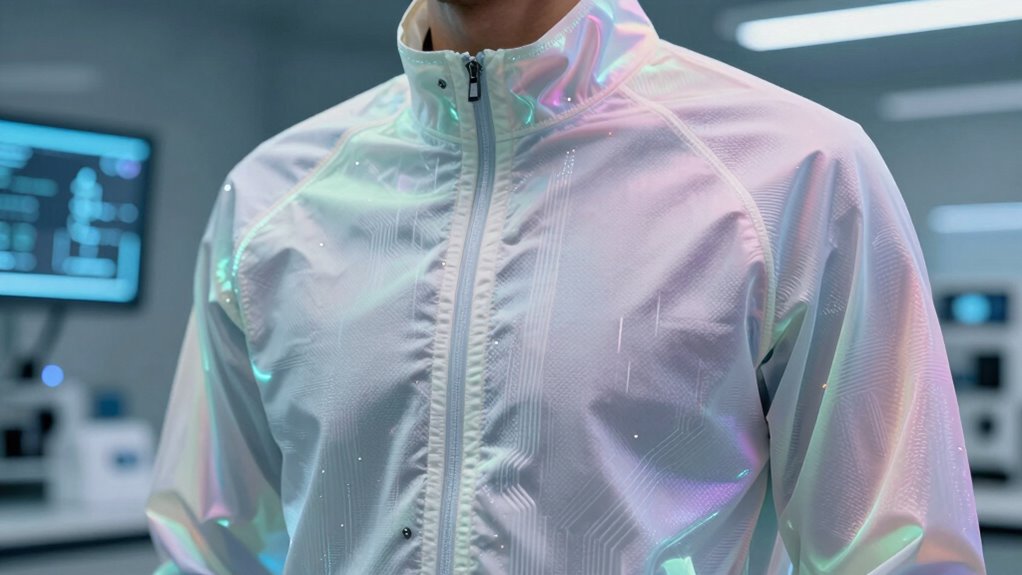

Smart textiles are expanding beyond sportswear into healthcare, fashion, and sustainability. You’ll find embedded sensors monitoring health metrics like heart rate, temperature, and hydration, allowing non-intrusive, real-time alerts. Fashion designers are creating fabrics that change color or adapt to environmental conditions, offering new ways to express yourself. These innovations also help extend clothing lifespan and reduce waste, aligning with eco-friendly goals. Stay tuned—you’ll discover how these advances could soon become part of your everyday life.

Get your wardrobe favorites delivered free with Prime
- Fast, free delivery on millions of items
- Prime Video, Amazon Music and more included
- Member-only deals all year
Key Takeaways
- Smart textiles are now integrated into medical clothing for real-time health monitoring and infection detection.
- They are used in fashion to create color-changing, mood-responsive, and adaptive garments.
- Embedding sensors in everyday clothing extends garment lifespan and encourages sustainable practices.
- The technology blurs boundaries between clothing and medical devices, opening new industry opportunities.
- Broader applications include enhancing durability, affordability, and functionality across various sectors.
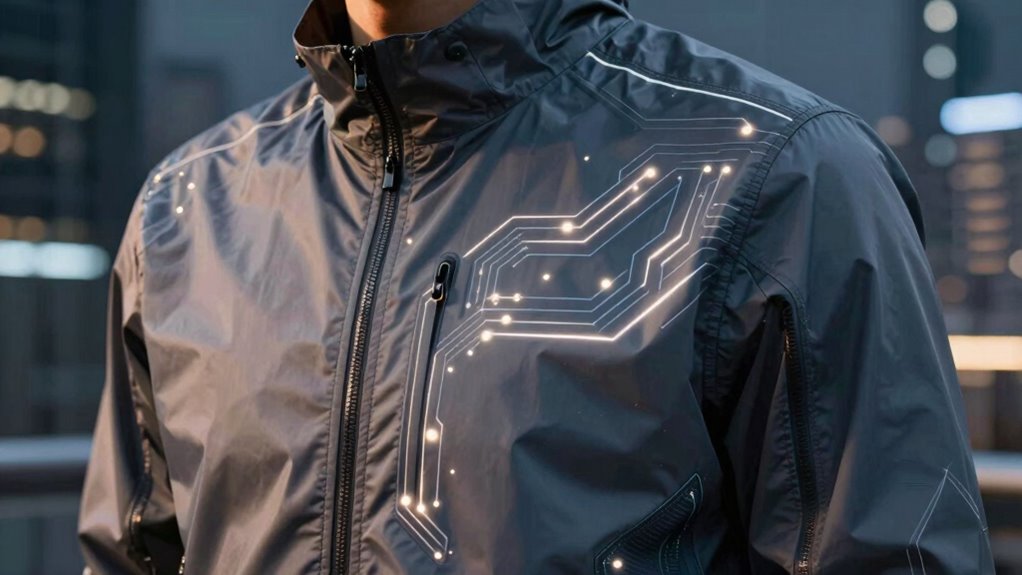
Smart textiles are no longer confined to athletic wear; they’re transforming numerous industries by integrating technology into everyday fabrics. One of the most exciting areas of expansion is in medical applications. Imagine clothing that can monitor your crucial signs in real-time, alerting you or your healthcare provider if something’s amiss. These fabrics contain embedded sensors that track heart rate, temperature, and even hydration levels, making health monitoring seamless and non-intrusive. This integration of technology into clothing isn’t just about convenience; it’s about improving outcomes and quality of life. Smart textiles in healthcare are also being used for wound care, with fabrics that can detect infections or changes in healing progress, alerting caregivers immediately. As these innovations advance, you’ll find that the boundaries between clothing and medical devices blur, creating new opportunities for personalized medicine. Additionally, the importance of color accuracy in smart textiles ensures that visual cues and indicators embedded in fabrics are precise and reliable for health monitoring. Incorporating wearable technology into fabrics further enhances their capabilities, making them integral to future healthcare solutions. These advancements are driven by ongoing research that focuses on making smart textiles more durable and cost-effective for widespread use.
Beyond healthcare, these textiles are sparking a wave of fashion innovations that redefine style and function. Designers are experimenting with fabrics that change color or pattern in response to temperature, light, or mood, offering dynamic, customizable looks. Imagine your outfit shifting hues throughout the day based on your environment or emotional state—smart textiles make this possible. They also enable clothing to adapt to different conditions, providing cooling or warming effects without the need for additional layers. This fusion of fashion and function appeals to those who want their clothing to do more than just look good; they want it to enhance comfort and practicality. Additionally, smart textiles open doors for sustainable fashion practices. By embedding sensors and electronic components into fabrics, manufacturers can create garments that track wear and tear, prompting timely repairs or recycling. This reduces waste and extends the lifespan of clothing, aligning with eco-conscious values. As these textiles become more affordable and accessible, they hold the potential to revolutionize everyday apparel and reduce environmental impact.
smart health monitoring clothing
As an affiliate, we earn on qualifying purchases.
As an affiliate, we earn on qualifying purchases.
Frequently Asked Questions
How Durable Are Smart Textiles in Everyday Use?
Smart textiles are generally quite durable in everyday use, thanks to rigorous durability testing and enhanced wear resistance. You might notice some textiles withstand frequent washing and daily wear better than others. While they’re designed to be resilient, it’s wise to follow care instructions closely to maintain their functionality. Overall, with proper handling, smart textiles can serve you well over time, blending advanced tech with reliable everyday durability.
Are Smart Textiles Environmentally Friendly and Recyclable?
Smart textiles can be eco-friendly and recyclable, helping you reduce your environmental impact. Manufacturers now focus on eco-friendly manufacturing processes and using recyclable materials, ensuring these textiles are sustainable from production to disposal. Picture fabrics that adapt to your needs while being gentle on the planet—easy to recycle and designed for longevity. By choosing smart textiles made with sustainable practices, you support a greener future and lessen waste.
What Are the Cost Implications of Smart Textiles?
Smart textiles often come with higher costs due to advanced technology and specialized materials, impacting cost efficiency. You might face manufacturing challenges that increase production expenses, such as integrating electronics or maintaining durability. While initial investments are higher, these textiles can offer long-term savings through durability and multifunctionality. However, balancing cost efficiency with innovation remains a key concern for manufacturers looking to scale up smart textile production.
How Do Smart Textiles Impact Wearer Privacy?
Smart textiles can raise privacy concerns because they often collect personal data, which needs strong data security measures. You might worry about how your information is stored, shared, or possibly hacked. To protect your privacy, manufacturers should implement robust data security protocols and be transparent about data collection practices. Being aware of privacy concerns helps you make informed choices when using smart textile products, ensuring your personal information stays secure.
Can Smart Textiles Be Integrated Into Existing Clothing?
Yes, smart textiles can be integrated into existing clothing, enhancing your wardrobe with innovative features. With fashion integration, designers can incorporate smart fabrics seamlessly into various styles, maintaining your outfit’s aesthetic appeal. This allows for style versatility, letting you enjoy both fashionable looks and functional tech benefits. You can upgrade your current wardrobe without sacrificing style, making your clothes smarter while still fitting your personal taste.
Conclusion
As you explore the world of smart textiles, remember that you’re witnessing a revolution that’s transforming everyday life faster than you can blink. These innovations aren’t just changing sportswear—they’re redefining fashion, healthcare, and even space exploration. So, embrace this incredible journey, because the future of textiles is more astonishing than you ever imagined—an unstoppable force shaping a smarter, more connected world that’s bound to leave you in awe.
Columbus Day / Indigenous Peoples' Day Picks
long weekend sales
As an affiliate, we earn on qualifying purchases.