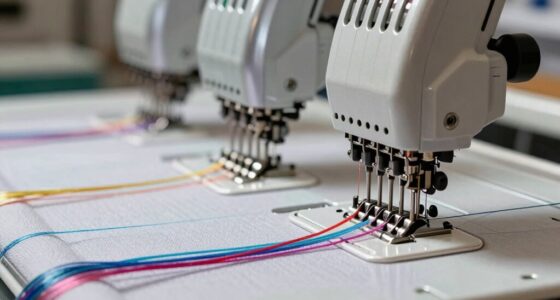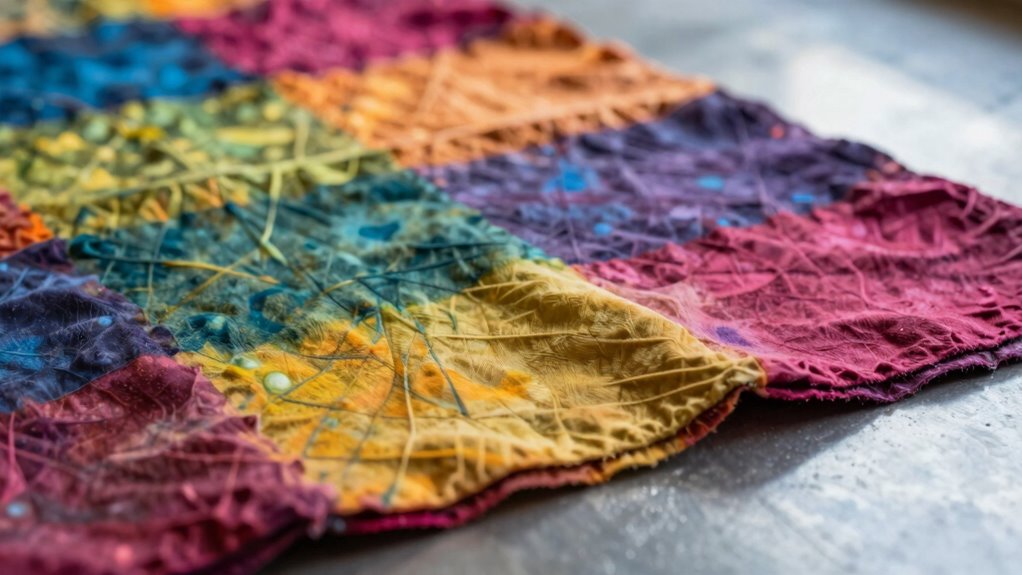

Waterless dyeing keeps getting attention because it helps you and the industry reduce environmental harm by saving water, cutting chemical use, and lowering pollution. These innovative methods, like foam dyeing and supercritical CO₂, make production safer and more sustainable. They also save costs and improve fabric quality, appealing to eco-conscious brands and consumers. If you want to understand how this technology is shaping a greener future, there’s more to explore.

Get your wardrobe favorites delivered free — and shop member deals
- Fast, free delivery on millions of items
- Access to Prime Big Deal Days deals on October 6–7
- Prime Video, Amazon Music and more included
Key Takeaways
- It significantly reduces water usage and chemical waste in textile manufacturing.
- Waterless dyeing methods produce vibrant fabrics with fewer environmental impacts.
- Brands are adopting waterless dyeing to demonstrate sustainability and meet consumer eco-consciousness.
- It offers cost savings and efficiency benefits for the textile industry.
- Innovation and regulatory pressures are driving the shift toward eco-friendly dyeing technologies.
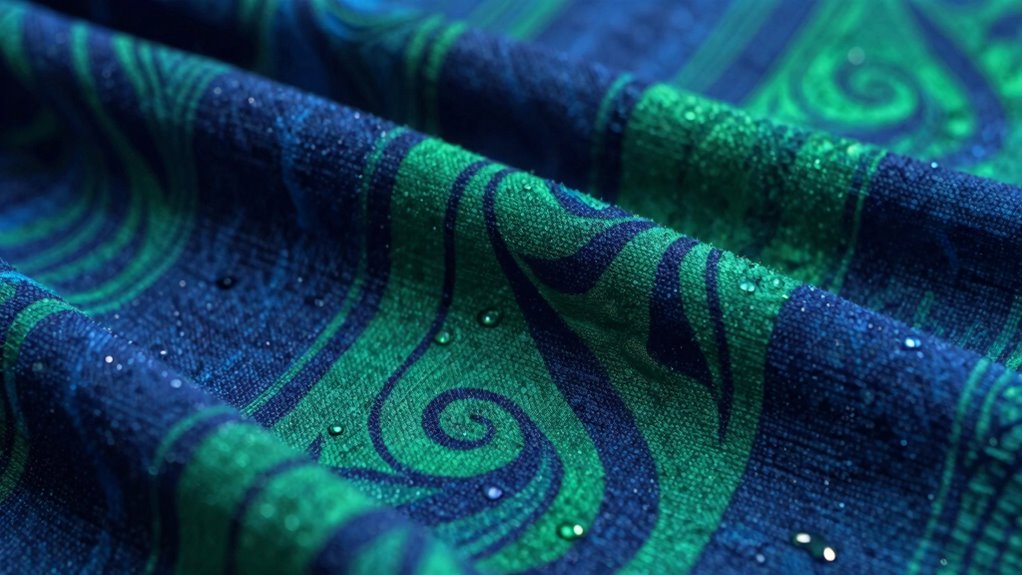
Have you ever considered how traditional dyeing methods impact the environment? The textile industry’s reliance on water-intensive processes and harmful chemicals has long been a concern for sustainability advocates. This is where eco friendly innovations, like waterless dyeing, are making an important difference. As awareness grows about the environmental footprint of conventional dyeing, more brands and manufacturers are turning to waterless dyeing techniques that drastically reduce water usage and chemical waste. This shift isn’t just about being eco-conscious; it’s about transforming the textile industry’s impact on our planet. Waterless dyeing offers a way to produce vibrant, high-quality fabrics without depleting precious water resources or releasing pollutants into waterways.
One of the main reasons waterless dyeing keeps getting attention is its ability to minimize environmental harm. Traditional dyeing processes can use thousands of liters of water for a single batch, often resulting in contaminated wastewater that requires complex treatment. In contrast, waterless dyeing employs innovative technologies such as foam dyeing, digital printing, or supercritical carbon dioxide methods. These approaches greatly cut down water consumption and eliminate the need for toxic chemicals, making the process safer for workers and communities near manufacturing plants. As consumers become more eco-aware, brands that adopt these innovations can demonstrate their commitment to sustainability and attract responsible shoppers.
Waterless dyeing reduces environmental harm by cutting water use and eliminating toxic chemicals, making fashion more sustainable and safer.
The textile industry impact of adopting waterless dyeing is profound. Companies that implement these new methods not only reduce their ecological footprint but also often see cost savings over time. Lower water and chemical use mean less expenditure on resources and waste management, leading to more sustainable profit margins. Moreover, waterless dyeing can streamline production processes, reduce lead times, and improve quality consistency. This technological shift also encourages innovation across the industry, inspiring smaller brands to explore sustainable options and larger corporations to adopt more eco-friendly practices at scale. As a result, the entire supply chain benefits from cleaner production methods and a reduced environmental footprint.
In the end, waterless dyeing isn’t just a passing trend; it’s a necessary evolution within the textile industry. Its potential to lessen environmental impacts, conserve essential resources, and promote sustainability makes it an increasingly attractive solution. For you, as a consumer or industry stakeholder, supporting and advocating for these eco friendly innovations can accelerate positive change. Waterless dyeing keeps gaining attention because it offers a practical, impactful way to rethink how fabrics are created—favoring a cleaner, greener future for the fashion world and beyond.
As an affiliate, we earn on qualifying purchases.
Frequently Asked Questions
How Does Waterless Dyeing Compare in Cost to Traditional Methods?
Waterless dyeing generally costs less than traditional methods, offering a favorable cost comparison for businesses. You save on water, energy, and chemical expenses, which cuts overall production costs. The economic benefits include reduced resource use and waste management costs, making waterless dyeing more sustainable and cost-effective in the long run. By switching, you can improve your profit margins while supporting eco-friendly practices.
Are There Any Limitations to Fabric Types Suitable for Waterless Dyeing?
Sure, waterless dyeing isn’t picky—except when it is. You’ll find that fabric flexibility and dye compatibility are its kryptonite. Some textiles, especially those with complex weaves or certain synthetic fibers, resist the magic, refusing to dye evenly or adhere properly. So, if you’re planning to switch to waterless, check if your fabric’s flexible enough and compatible with the dyeing process, or you might end up with more tears than color.
What Are the Initial Investment Requirements for Waterless Dyeing Equipment?
You’ll need a significant initial investment for waterless dyeing equipment, but it’s a worthwhile eco-friendly innovation. The costs cover specialized machinery designed for water conservation, which reduces water use and minimizes environmental impact. Expect to allocate funds for equipment installation and staff training. Although the upfront expenses are higher, the long-term savings and sustainability benefits make it a smart choice for eco-conscious brands committed to reducing their ecological footprint.
How Scalable Is Waterless Dyeing for Large Production Volumes?
You’ll find waterless dyeing increasingly scalable for large production volumes thanks to recent technological advancements. These innovations reduce environmental impact by enabling faster, more efficient dyeing processes that use less energy and water. As technology improves, you can expect greater consistency and higher throughput, making it a viable option for big brands aiming to meet sustainability goals while maintaining production efficiency. This scalability keeps waterless dyeing relevant in the industry’s shift toward eco-friendly practices.
What Are Consumer Perceptions of Waterless Dyed Products?
You might think consumers are dazzled by waterless dyeing’s eco-friendly benefits, but many still see it as just a trendy gimmick. Still, eco-conscious buyers increasingly favor brands with a reputation for sustainability, boosting their perception of waterless dyed products. If you highlight these benefits authentically, you’ll build trust and loyalty, proving that caring for the planet isn’t just good PR — it’s good business.
Conclusion
As you imagine vibrant fabrics emerging from a world untouched by endless water, you realize waterless dyeing is more than just eco-friendly—it’s a revolution. Picture a future where colorful patterns dance on clothes without wasting precious resources or polluting rivers. This innovative process invites you to be part of a movement that transforms the textile industry, turning every garment into a symbol of sustainability. Embrace this change, and let your choices paint a cleaner, brighter world.
Evergreen bestsellers Picks
bestsellers
As an affiliate, we earn on qualifying purchases.