
TL;DR
Get ready for Prime Big Deal Days — try Prime free
Exclusive member deals on October 6–7, plus fast free delivery. Cancel anytime.
Start your free trialAs an affiliate, we earn on qualifying purchases.
Patricio Campillo has designed a jacket composed of bacteria for Spring 2027, marking a significant step in sustainable fashion. The project underscores growing interest in bio-based textiles, though details remain limited.
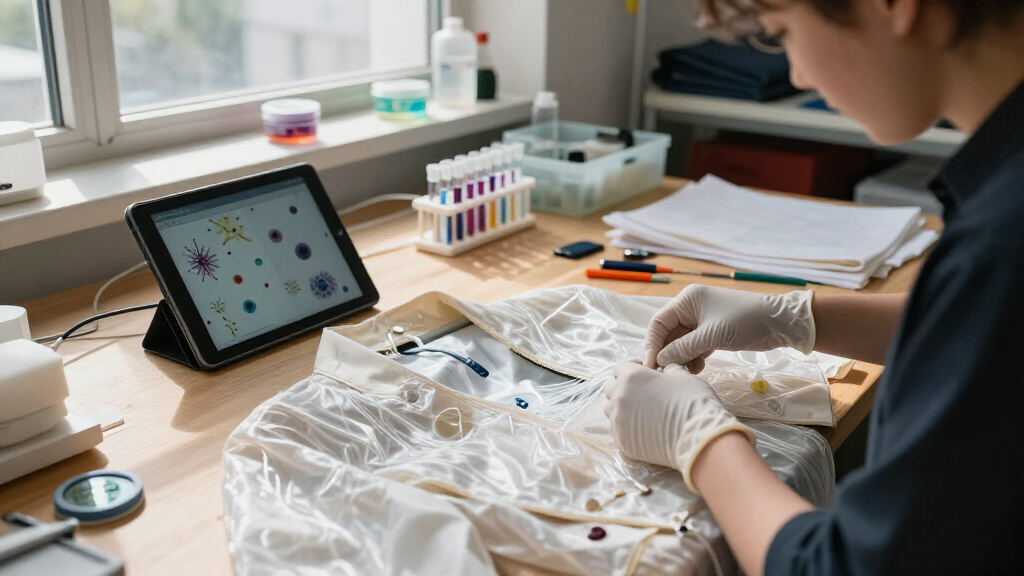
Fashion designer Patricio Campillo has revealed a jacket made from bacteria, planned for release in Spring 2027. This development highlights a shift toward bio-engineered textiles in high fashion, reflecting broader industry interest in sustainable materials. The jacket’s design aims to demonstrate the potential of bacteria-based fabrics as an eco-friendly alternative to traditional textiles, making it a notable milestone in sustainable fashion innovation.
The bacterial jacket was showcased during Campillo’s latest fashion presentation, where he emphasized its innovative use of bio-engineered materials. The fabric is reportedly produced through a process involving bacteria that synthesize fibers naturally, reducing reliance on water, pesticides, and synthetic chemicals used in conventional textile manufacturing. While the exact methods and materials are not yet fully detailed, sources indicate that the fabric is biodegradable and can be produced at scale, aligning with environmental sustainability goals.
Campillo’s team collaborated with biotech firms specializing in microbial textiles to develop the material, which was then integrated into a traditional jacket silhouette. The design features a sleek, modern aesthetic, with a focus on comfort and durability, while also showcasing the potential for bacteria-derived fabrics to be both functional and fashionable. The project has generated significant interest among industry insiders and sustainability advocates, who view it as a potential breakthrough in eco-conscious fashion.
It is important to note that the jacket remains a prototype, and no commercial release date has been confirmed. The development aligns with a broader trend of experimenting with bio-based materials in fashion, driven by increasing consumer demand for environmentally responsible products and the fashion industry’s commitment to reducing its carbon footprint.
Potential Impact on Sustainable Fashion
The introduction of a bacterial fabric jacket by Patricio Campillo signifies a notable advancement in sustainable fashion technology. If scalable, bio-engineered textiles like this could dramatically reduce the environmental impact of clothing production by decreasing water usage, chemical pollution, and waste. The project exemplifies how fashion innovators are leveraging biotechnology to address climate and resource concerns, potentially transforming industry standards and supply chains.
Moreover, this development could influence consumer perceptions, making bio-based garments more mainstream and encouraging other designers and brands to explore similar innovations. The potential for biodegradable, renewable fabrics to replace conventional synthetic and natural fibers could lead to a more circular and eco-friendly fashion ecosystem, aligning industry practices with global sustainability goals.
As an affiliate, we earn on qualifying purchases.
Growing Interest in Bio-Based Textiles
Interest in bio-engineered textiles has been rising over the past few years, driven by increasing awareness of fashion’s environmental impact. While several startups and research institutions have explored microbial and algae-based fabrics, few have reached commercial viability. The recent surge in coverage and search interest around bacterial textiles suggests that industry and consumers are paying closer attention to these innovations, although concrete products remain limited.
Historically, sustainable fashion has focused on organic cotton, recycled fibers, and plant-based textiles. The shift toward microbial and bacterial fabrics represents a new frontier, promising materials that are produced with less resource input and potentially offer new aesthetic and functional qualities. However, details about the specific bacterial processes and scalability are still emerging, and it is unclear whether this technology will reach widespread commercial adoption soon.
Details Still Emerging on Production and Scalability
The scalability of bacterial fabric production and its suitability for mass-market clothing are still under investigation. Technical specifics regarding the bacteria used, fiber durability, and long-term performance have not been publicly disclosed. The timeline for commercial availability remains uncertain as the project is currently in a prototype phase.
Expected Developments and Industry Response
Future updates are expected to include detailed technical data and testing outcomes. Industry stakeholders will observe whether other brands adopt similar bio-based textiles and how regulations evolve to support microbial fabrics. Commercial products utilizing bacterial textiles could become available within the next few years, depending on scalability and consumer acceptance.
Key Questions
How durable is the bacterial fabric used in the jacket?
Durability data has not been publicly released. As the jacket is still a prototype, further testing is necessary to assess its long-term wearability and resistance to environmental factors.
Can bacterial fabrics be produced at scale for mass-market fashion?
The scalability of production remains under development. Researchers and companies are working to determine if large-scale manufacturing is feasible, but commercial viability has not yet been confirmed.
What environmental benefits does bacterial fabric offer over traditional textiles?
Bacterial fabrics potentially require less water, land, and chemicals during production, and they are biodegradable, which can reduce textile waste and pollution.
Will bacterial textiles be affordable for consumers?
Cost considerations depend on production scale and technological progress. It is currently uncertain whether these fabrics will be priced competitively with conventional textiles.
Source: rss
Fall Picks
fall essentials
As an affiliate, we earn on qualifying purchases.