
TL;DR

Get your wardrobe favorites delivered free with Prime
- Fast, free delivery on millions of items
- Prime Video, Amazon Music and more included
- Member-only deals all year
Tech companies in California are pioneering ways to turn secondhand clothes into high-demand fashion items. This emerging trend is gaining significant attention, driven by innovation in resale platforms and sustainable fashion movements. The development’s full impact and future trajectory remain uncertain.
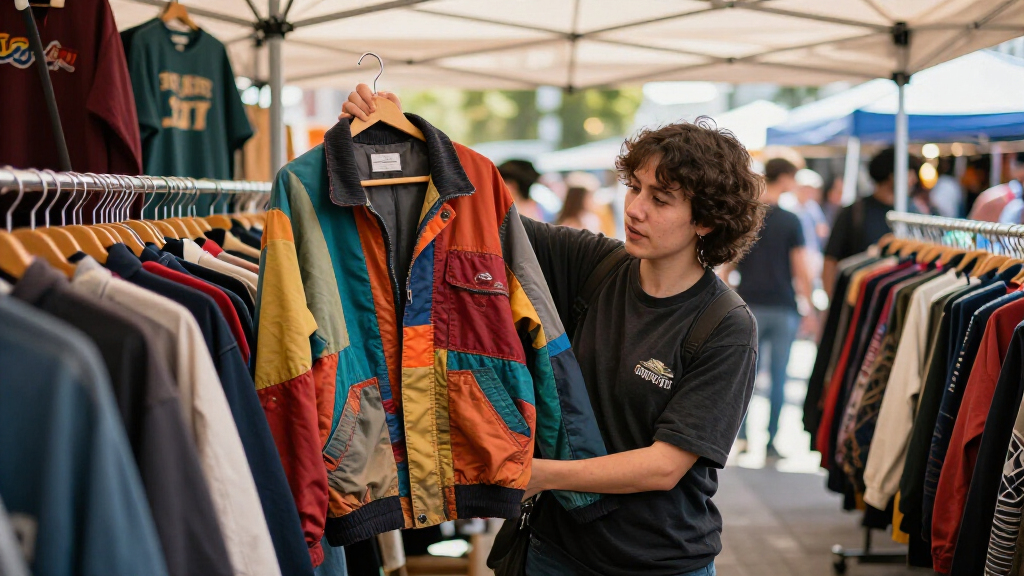
California tech companies are transforming the perception of thrifted clothing, turning secondhand garments into some of the most sought-after fashion items today. This shift is driven by innovative resale platforms, social media influence, and a growing focus on sustainability, making thrifted clothes a new status symbol in the fashion industry.
Over the past year, several California-based startups specializing in resale, upcycling, and digital styling have reported a surge in popularity for thrifted clothing among younger consumers. Marketplaces like Depop, Poshmark, and newer tech-driven apps are implementing features such as AI-driven styling suggestions, verified authenticity, and exclusive collaborations with influencers, elevating secondhand apparel to high-fashion status.
Industry insiders note that this trend is fueled by a combination of environmental awareness, cost-conscious shopping, and a desire for unique, one-of-a-kind pieces. According to data from market research firms, search interest for terms like “thrifted fashion,” “upcycled clothing,” and “sustainable style” has spiked by over 150% in the past six months, with much of this activity centered in California’s tech hubs.
Several prominent brands and influencers have publicly embraced thrifted fashion, further legitimizing it as a luxury or aspirational choice. For example, social media campaigns featuring thrifted outfits styled with high-end accessories have gone viral, prompting a reevaluation of what constitutes luxury in the fashion world. Tech firms are also experimenting with virtual try-on features and blockchain-based authenticity verification to combat counterfeit concerns and enhance consumer confidence in secondhand goods.
Why Thrifted Fashion Matters in the Tech Era
This trend signifies a major shift in fashion consumption, where sustainability, digital innovation, and social influence intersect. By turning thrifted clothes into coveted items, California tech firms are reshaping consumer perceptions of value, exclusivity, and environmental impact. This could influence traditional luxury brands to adopt more sustainable practices and integrate resale into their business models. For consumers, it offers a more affordable yet aspirational way to participate in high fashion, aligning with broader cultural shifts toward eco-consciousness and individuality.
Popular right now

Apple AirPods Pro 3 Wireless Earbuds with Active Noise Cancellation

Bose QuietComfort Headphones (2nd Gen), Wireless Over-Ear Noise-Cancelling Headphones, Black

Dyson V15 Detect Cordless Vacuum
As an affiliate, we earn on qualifying purchases.
Rise of Tech-Driven Resale and Sustainable Style
Over the past decade, secondhand shopping has gained momentum, driven by platforms like eBay and thrift stores. Recently, California’s tech scene has amplified this movement through innovative apps and social media strategies. Marketplaces such as Depop and Poshmark have become central hubs for young consumers seeking unique and affordable fashion options. The trend is also supported by a broader cultural emphasis on sustainability and ethical consumption, which has gained mainstream acceptance.
While the popularity of thrifted clothing is not new, the integration of technology—such as AI styling, blockchain verification, and virtual fitting rooms—is elevating secondhand fashion into a new realm of desirability. This convergence of tech and fashion is seen as a key factor in the current surge of interest, although specific startups and initiatives behind this shift are still emerging and unconfirmed.
Unconfirmed Tech Initiatives and Future Impact
While the trend is clearly gaining traction, the specific startups and technologies responsible for this shift are not yet fully identified or confirmed. It remains unclear how sustainable this growth is and whether traditional luxury brands will fully adopt or resist this change. The long-term impact on the fashion industry and consumer behavior is still developing, with some experts cautioning that the trend could plateau or face regulatory challenges related to authenticity and environmental claims.
Potential Developments and Market Evolution
Moving forward, industry observers expect increased investment in resale technology, including AI-driven styling, virtual try-ons, and blockchain verification. Major brands may also experiment with their own resale platforms or collaborations with existing startups. Consumer adoption will likely hinge on continued technological innovation, trust in authenticity, and the cultural value placed on sustainability. Monitoring how traditional luxury labels respond will be key to understanding the future landscape of fashion’s secondhand market.
Key Questions
Why are thrifted clothes becoming so popular among young consumers?
Young consumers value sustainability, affordability, and uniqueness, and tech-driven platforms make secondhand shopping more accessible, trustworthy, and fashionable.
How is technology helping to elevate thrifted clothes into high fashion?
Features like AI styling, virtual try-ons, and blockchain-based authenticity verification are making secondhand clothes more appealing and credible as luxury or aspirational items.
Are traditional luxury brands participating in this trend?
Some brands are exploring resale collaborations or integrating sustainable practices, but full adoption by luxury labels remains uncertain at this stage.
What are the risks or challenges associated with this trend?
Potential issues include authenticity concerns, regulatory scrutiny, and the sustainability of the rapid growth in resale platforms and technology investments.
Source: rss