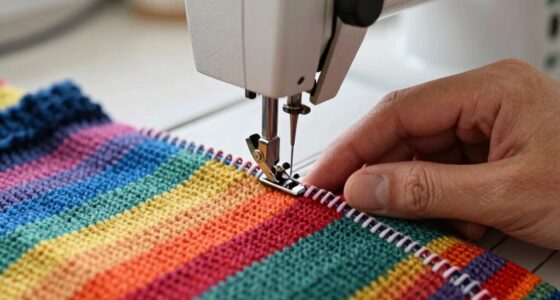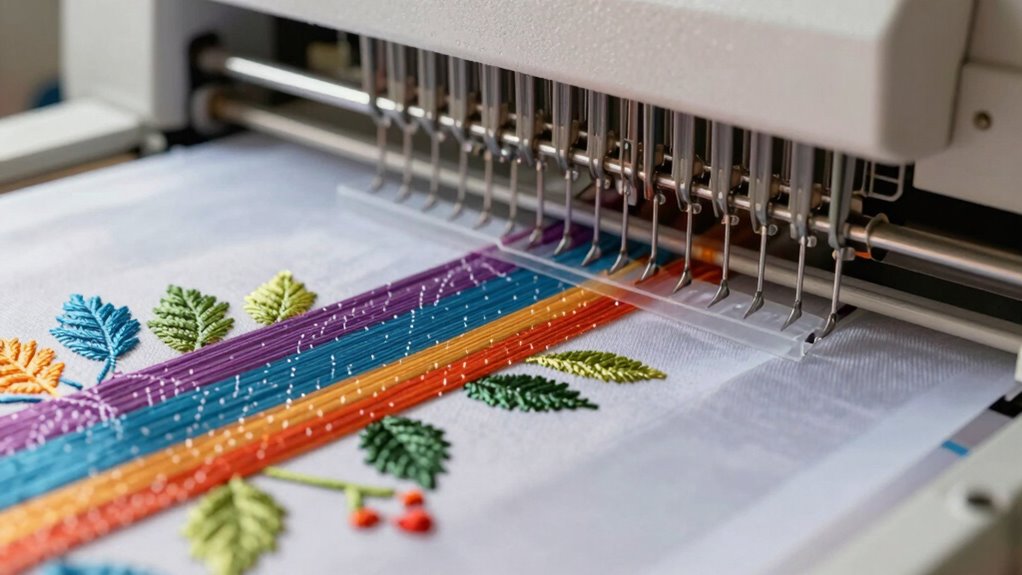

Cut-away stabilizer works best when you need extra support and stability, especially on tricky fabrics like knits, fleece, or stretchy materials. It maintains your embroidery’s shape and keeps stitches even, making your projects look professional and neat. You’ll find it particularly useful for items that will be washed often or have dense designs. If you want to know how to choose the right stabilizer for your projects, keep exploring the details below.

Get your wardrobe favorites delivered free with Prime
- Fast, free delivery on millions of items
- Prime Video, Amazon Music and more included
- Member-only deals all year
Key Takeaways
- Provides strong support for stretchy, delicate, or shifting fabrics to prevent puckering and distortion.
- Maintains the shape and integrity of complex or dense embroidery designs over time.
- Ensures stitches remain even and crisp, especially on challenging fabrics requiring maximum stability.
- Offers a permanent foundation that stays in place during washing, preserving embroidery quality.
- Suitable for a variety of fabrics, from lightweight to heavy-duty, optimizing durability and professional finish.
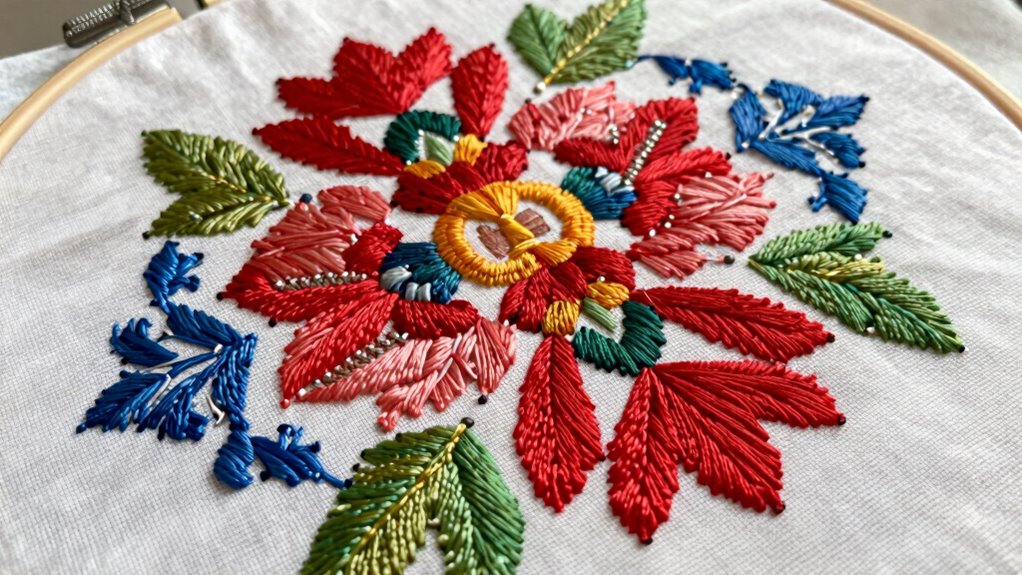
When you’re embroidering, using the right stabilizer can make all the difference, especially when it comes to achieving clean, professional-looking results. Cut-away stabilizer is a popular choice because it provides excellent support for many fabric types, particularly those that are stretchy, delicate, or prone to shifting. Unlike tear-away stabilizers, which are removed easily, cut-away stabilizers stay in place, offering a sturdy foundation that helps maintain the shape and integrity of your embroidery. This makes them ideal for projects where durability and stability are essential, like on garments or items that will be washed frequently.
Cut-away stabilizer offers durable, supportive backing for professional embroidery on delicate, stretchy, or frequently washed fabrics.
The strength of cut-away stabilizer lies in its ability to support fabric types that are difficult to stabilize with other stabilizers. For example, knits, fleece, or stretchy fabrics benefit greatly from this stabilizer because it prevents puckering and distortion during stitching. When you’re working with lightweight or delicate fabrics, the added support from a cut-away stabilizer ensures that your stitches stay even and your design remains sharp. You’ll find that it’s especially useful for embroidery on complex or dense designs, as it keeps the fabric from stretching or shifting as the needle moves. Additionally, understanding the types of stabilizers available can help you choose the most suitable one for each project. Proper stabilization techniques also involve selecting the appropriate fabric stabilizer, which is crucial for achieving optimal results. Knowing the fabric types you’re working with can help you select the correct amount of stabilizer to ensure a professional finish.
One of the key advantages of using a cut-away stabilizer is its contribution to the longevity of your embroidered item. Since it’s not removed after stitching, it provides a permanent support layer that maintains the shape of your design over time. However, this also means you need to be careful during stabilizer removal. You want to remove excess stabilizer carefully around the edges without damaging your fabric or embroidery. Sometimes, you may need to trim the stabilizer close to the design or gently peel away larger sections, especially if you’re working with more delicate fabrics. Proper stabilization techniques and gentle removal help preserve the quality of your finished piece. It’s also helpful to consider stabilizer application techniques to ensure the best results.
In addition, the choice of fabric types influences how much stabilizer you’ll need and how you’ll remove it later. For sturdier fabrics like denim or canvas, you might use a heavier cut-away stabilizer for maximum support. Conversely, on lighter fabrics, a lighter weight stabilizer will do, but you must still pay attention to stabilizer removal to avoid pulling or tearing the fabric. Ultimately, the best use of cut-away stabilizer is ensuring your stitches stay crisp and your design holds its shape through multiple washes, making it an essential tool for professional-grade embroidery.
As an affiliate, we earn on qualifying purchases.
Frequently Asked Questions
How Do I Choose the Right Cut-Away Stabilizer for Different Fabrics?
To choose the right cut-away stabilizer, consider your fabric compatibility and the stabilizer types suitable for each material. For lightweight fabrics, opt for a soft, lightweight stabilizer that offers enough support without stiffness. For denser fabrics like denim, select a sturdier cut-away stabilizer. Always match the stabilizer type—such as tear-away or cut-away—to your fabric’s weight and embroidery design, ensuring ideal support and clean results.
Can Cut-Away Stabilizers Be Reused After Embroidery?
Think of cut-away stabilizers as leaves in a garden—once used, they often wither and can’t be reused. Typically, they can’t be recycled because the embroidery process leaves residues and distortions. Recycling techniques are limited, and reusing stabilizers may compromise embroidery quality. To minimize environmental impact, opt for biodegradable stabilizers or plan your projects carefully to reduce waste. Your choices help protect the environment while keeping your embroidery crisp.
What Are Common Mistakes When Using Cut-Away Stabilizers?
A common mistake is not considering fabric compatibility, which can cause puckering or poor embroidery results. You also might rush stabilizer removal, pulling or tearing the stabilizer, damaging the fabric or design. To avoid this, gently remove the stabilizer after embroidery, ensuring you don’t disturb the stitches. Always match the stabilizer type to your fabric, and remove it carefully to keep your finished piece looking professional.
How Does Cut-Away Stabilizer Affect Embroidery Machine Settings?
You might not realize it, but selecting the right cut-away stabilizer can dramatically impact your embroidery machine settings. It influences your machine tension and thread compatibility, ensuring your stitches stay perfect. If the stabilizer isn’t appropriate, you risk puckering or thread breakage. To prevent this, adjust your tension accordingly, and choose a stabilizer that matches your thread type. This step keeps your embroidery crisp and flawless, leaving you confident in every stitch.
Is Cut-Away Stabilizer Suitable for All Types of Embroidery Designs?
Yes, cut-away stabilizer suits most embroidery designs, especially dense or complex ones. Different stabilizer types like soft, medium, or heavy-duty work with various embroidery techniques, ensuring your designs stay crisp and stable. For intricate or multi-colored projects, cut-away stabilizer provides the support needed without adding bulk. You should choose the stabilizer based on your design’s complexity and fabric type to achieve ideal results with your embroidery machine.
Conclusion
In the end, choosing the right cut-away stabilizer guarantees your embroidery turns out flawless. It provides the support your designs need to stay crisp and professional, especially on tricky fabrics. Remember, “A stitch in time saves nine,” so investing in quality stabilizer now saves you headaches later. Trust in its stability and watch your projects come to life with perfect detail and durability. When it comes to embroidery, a good stabilizer makes all the difference.
Columbus Day / Indigenous Peoples' Day Picks
long weekend sales
As an affiliate, we earn on qualifying purchases.