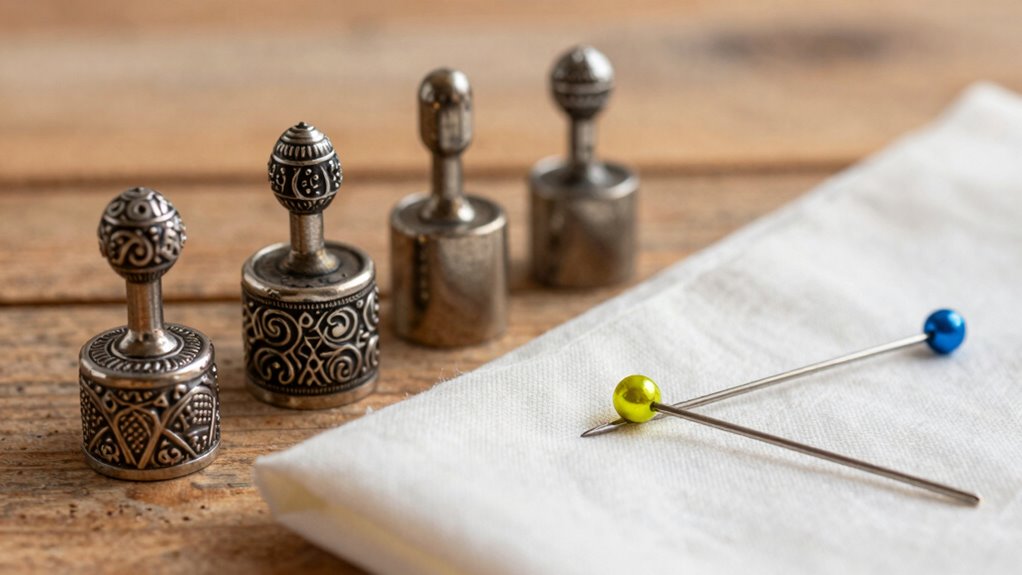

When choosing between pattern weights and pins for fabric cutting, consider your project and fabric type. Weights, made from materials like ceramic or silicone, hold fabric firmly without piercing it, which is great for fragile or slippery fabrics. Pins, usually metal with sharp points, secure layers more precisely but can leave holes or damage delicate fabrics. Understanding their development and use can help you pick the right tools; explore further to find out which suits your sewing needs best.

Get your wardrobe favorites delivered free with Prime
- Fast, free delivery on millions of items
- Prime Video, Amazon Music and more included
- Member-only deals all year
Key Takeaways
- Pattern weights hold fabric steady without puncturing, ideal for delicate or layered fabrics during cutting.
- Pins secure fabric layers but can leave holes, making them better for thicker or less delicate materials.
- Pattern weights are reusable and don’t shift fabric, ensuring precise cutting with minimal fabric damage.
- Pins are more versatile for pinning patterns to fabric temporarily, especially when fabric needs to be repositioned.
- Choosing between them depends on fabric type, project precision needs, and whether fabric damage must be minimized.
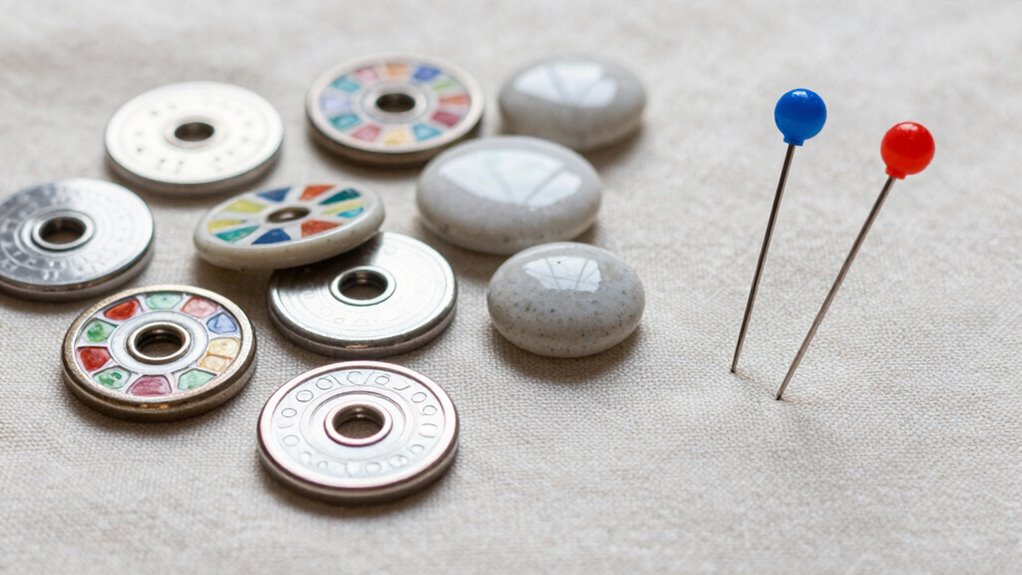
When it comes to fabric cutting, choosing between pattern weights and pins can greatly impact your sewing process. Both tools have evolved over time, and understanding their historical development can help you make an informed decision. Pattern weights have been around in various forms for centuries, with early versions made from stones or metal, used to hold patterns in place without damaging delicate fabrics. Pins, on the other hand, have a long history as well, dating back thousands of years to ancient civilizations that used bone, ivory, or metal pins to secure fabric layers. Over time, their designs and materials have advanced, making them more durable and easier to work with. Today, pattern weights are typically made from materials like metal, ceramic, or silicone, chosen for their ability to resist wear and last through many projects. They are often favored for their simplicity and the minimal impact they have on the fabric surface. Pins are usually crafted from stainless steel or coated metals, which improve their material durability, preventing rust and bending. The historical development of these tools underscores their ongoing improvements; pattern weights have become more robust and aesthetically pleasing, while pins have been refined for sharper points and rust-resistant coatings, extending their lifespan. Additionally, understanding the history of sewing tools can help crafters appreciate their enduring utility and design improvements over centuries. Recognizing the evolution of sewing tools can also inspire crafters to select the most suitable tools for their specific projects. Investing in high-quality tools can make a significant difference in your sewing experience, ensuring longevity and better results.
fabric pattern weights for sewing
As an affiliate, we earn on qualifying purchases.
As an affiliate, we earn on qualifying purchases.
Frequently Asked Questions
Can Pattern Weights Be Reused Multiple Times?
Yes, pattern weights can be reused multiple times. Their durability depends on the material—metal ones are sturdy, but plastic or fabric weights might wear out faster. To guarantee longevity, handle them gently and avoid dropping. Regularly check for signs of wear or damage, and clean them to prevent rust, especially if they’re metal. Proper care helps prevent pin rust and keeps your pattern weights in good shape for many projects.
Are Pins Safer Than Weights for Delicate Fabrics?
Pins can be safer than weights for delicate fabrics because they allow more precise placement and hold the fabric securely without excessive pressure. However, safety concerns like pricking yourself or damaging the fabric still exist. Weights exert less force, reducing the risk of fabric damage, but they might shift more easily. Ultimately, choose pins for delicate fabrics if you handle them carefully, but weigh the pros and cons for your specific project.
How Do Pattern Weights Affect Fabric Accuracy?
Pattern weights enhance fabric stability, helping you keep your fabric flat and secure during cutting. This improved stability leads to better cutting precision, reducing the risk of slipping or shifting. When your fabric stays in place, you can cut more accurately, resulting in cleaner seams and a better fit. Overall, pattern weights positively impact your sewing project by ensuring consistent, precise cuts, especially for delicate or tricky fabrics.
What Are the Best Materials for Homemade Pattern Weights?
Looking for DIY alternatives? The best materials for homemade pattern weights are lightweight, dense items that stay put without damaging your fabric. Think small cans, coins, or ceramic tiles—these materials are easy to find and effective. You’ll want to avoid anything too heavy or sharp. With these simple options, you’ll keep your fabric secure and your project on track, all while adding a touch of crafty charm.
Do Different Fabrics Require Specific Types of Pattern Weights or Pins?
Yes, different fabrics require specific pattern weights or pins. For fabrics with stretch, avoid pins that could cause pattern distortion or damage the fabric. Use smooth, wide weights or clips to prevent shifting and maintain fabric integrity. Lightweight or delicate fabrics benefit from gentle weights to avoid stretching, while heavier fabrics can handle standard weights or pins without issue. Always choose your tools based on fabric type to guarantee accurate cutting.
Conclusion
In the end, choosing between pattern weights and pins depends on your fabric type and personal preference. Pattern weights are quicker and less likely to damage delicate fabrics, while pins offer precise placement for intricate designs. Notably, studies show that quilters using weights spend 30% less time securing patterns, making weights a time-saving option. Whichever you choose, both methods help you achieve accurate cuts—so experiment and find what works best for your projects!
Halloween Picks
halloween
As an affiliate, we earn on qualifying purchases.

![A Better Way To Tie Your Gym Shorts. (Or Any Drawstring) [Video]](https://protextile.info/wp-content/uploads/2026/07/a-better-way-to-tie-your-gym-shorts-or-any-drawstring-video-featured-560x300.jpg)