
TL;DR

Get your wardrobe favorites delivered free with Prime
- Fast, free delivery on millions of items
- Prime Video, Amazon Music and more included
- Member-only deals all year
Who What Wear’s Second Life podcast features Fleur du Mal cofounder, CEO and creative director Jennifer Zuccarini discussing her career and the brand’s fashion-led approach to lingerie. The report traces her path through Kiki de Montparnasse and Victoria’s Secret before she cofounded Fleur du Mal in 2012.
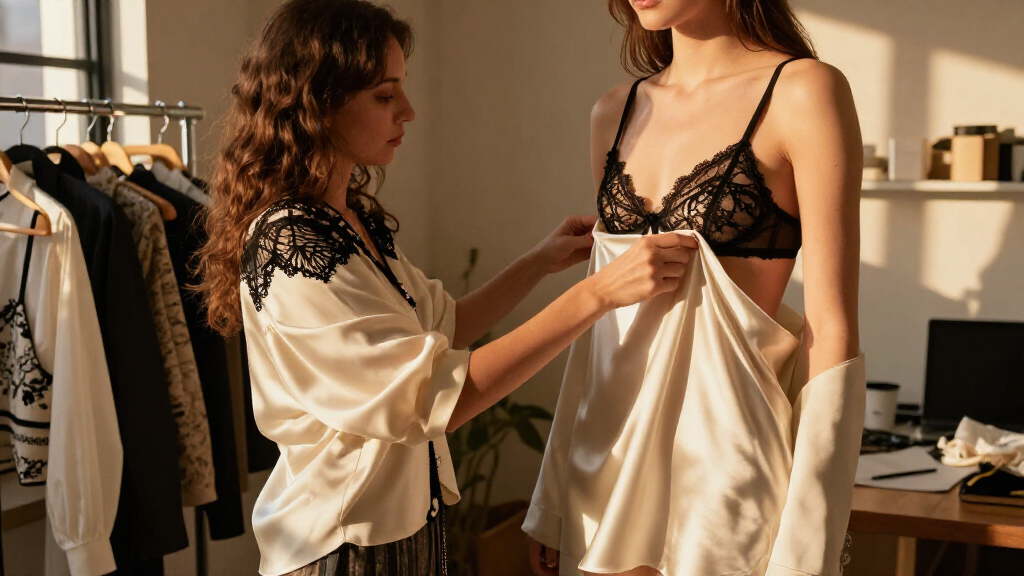
Who What Wear’s Second Life podcast has featured Jennifer Zuccarini, cofounder, CEO and creative director of Fleur du Mal, in an episode about her career and the brand’s fashion-driven approach to lingerie. The accompanying report says Fleur du Mal introduced slip dresses intended to be worn beyond the bedroom more than a decade ago, before lingerie-inspired pieces became a broader ready-to-wear trend.
The profile traces Zuccarini’s career from her fashion studies at the Fashion Institute of Technology in the early 2000s to work with New York designers and freelance trend forecasting. In 2005, she cofounded Kiki de Montparnasse, where she served as creative director for three years, according to Who What Wear.
Zuccarini later worked for four years as design director of intimates at Victoria’s Secret. The report says that role gave her experience with production, logistics and manufacturing at a large scale. She returned to entrepreneurship in 2012, cofounding Fleur du Mal, where she now leads both creative direction and company strategy as CEO.
Who What Wear describes Fleur du Mal as operating at the intersection of luxury lingerie and ready-to-wear, with refined design, materials and a distinct aesthetic as central elements. Its report presents the label’s early use of slip dresses outside the bedroom as an example of that positioning. It does not provide sales figures, customer data or independent evidence measuring the brand’s influence on the wider market.
How Lingerie Entered Everyday Styling
The profile draws attention to a shift in how intimate apparel can be styled: pieces such as slip dresses are presented not only as bedroom wear but also as clothing for use beyond it. Fleur du Mal’s approach connects lingerie design with ready-to-wear, giving consumers another way to think about where and how intimate apparel fits into a wardrobe.
Zuccarini’s career also shows how experience across different parts of the industry fed into the company she later cofounded. Her work at a small label, a major retailer and in trend forecasting brought together creative direction and large-scale production knowledge. That history helps explain the background to Fleur du Mal’s positioning, though the source does not establish that the brand alone caused the wider trend.
Popular right now

KitchenAid Artisan 5-Quart Tilt-Head Stand Mixer, Almond Cream

KitchenAid Artisan Mini 3.5-Qt Tilt-Head Stand Mixer, Candy Apple Red

LG 77-Inch OLED evo C6 4K Smart TV
As an affiliate, we earn on qualifying purchases.
From Kiki to Fleur du Mal
Zuccarini studied fashion at FIT and gained early experience in New York’s Garment District, working with local designers before taking on trend-forecasting assignments. She cofounded Kiki de Montparnasse in 2005, then moved to Victoria’s Secret, where she spent four years as design director of intimates. These roles preceded the launch of Fleur du Mal.
In 2012, Zuccarini cofounded Fleur du Mal with a focus on luxury lingerie and ready-to-wear. Who What Wear says the company’s slip dresses were designed to be styled beyond the bedroom more than a decade ago. The current feature is tied to the outlet’s Second Life podcast, hosted by Who What Wear cofounder and chief content officer Hillary Kerr, which focuses on women’s careers and major professional changes.
“Fleur du Mal was ahead of its time, debuting slip dresses that were meant to be styled beyond the bedroom more than a decade ago.”
— Who What Wear’s profile of Jennifer Zuccarini
The Limits of the Brand’s Influence
The source is a profile and podcast promotion, not an independent market study. It does not provide evidence to quantify how much Fleur du Mal influenced lingerie-inspired ready-to-wear, or whether the brand’s designs directly shaped other labels. The claim that it was ahead of its time is Who What Wear’s assessment; the report offers no comparative timeline of competing brands.
The supplied material also does not give the episode’s publication date, a detailed account of Zuccarini’s comments, or information about Fleur du Mal’s current sales, scale or future plans. It points readers to the podcast episode for her perspective, but the report itself does not include extended direct quotations from her.
Listen for Zuccarini’s Account
Who What Wear directs readers to the latest Second Life episode to hear Zuccarini discuss how earlier creative and business experiences inform Fleur du Mal’s development. The podcast is available through Apple Podcasts, Spotify and other podcast platforms, according to the report.
No product launch, company announcement or further business milestone is identified in the source. The next step for readers seeking more detail is the episode itself; any claims about the brand’s future direction or broader market impact would require additional reporting.
Key Questions
What is the news about Jennifer Zuccarini?
Who What Wear featured Zuccarini, Fleur du Mal’s cofounder, CEO and creative director, in its Second Life podcast and a related career profile.
What is Fleur du Mal known for in this report?
The report describes the company as a luxury lingerie and ready-to-wear brand and highlights slip dresses designed to be styled beyond the bedroom.
When did Zuccarini cofound Fleur du Mal?
According to Who What Wear, Zuccarini cofounded Fleur du Mal in 2012.
What roles did Zuccarini hold before Fleur du Mal?
She cofounded Kiki de Montparnasse in 2005, served as its creative director for three years, and later spent four years as Victoria’s Secret design director of intimates.
Does the report prove Fleur du Mal started the lingerie-as-ready-to-wear trend?
No. The article says the brand introduced slip dresses for styling beyond the bedroom more than a decade ago, but it provides no independent comparison or market data establishing that Fleur du Mal started or drove the broader trend.
Source: whowhatwear.com