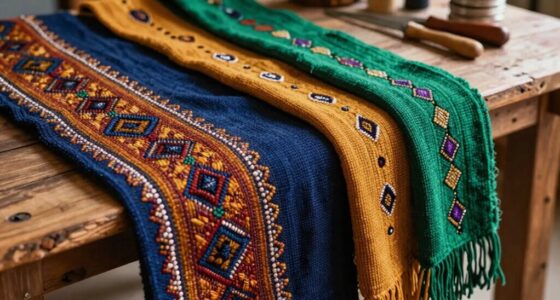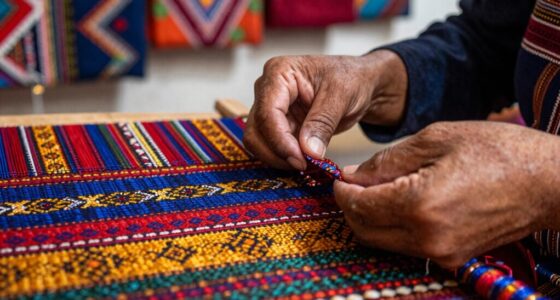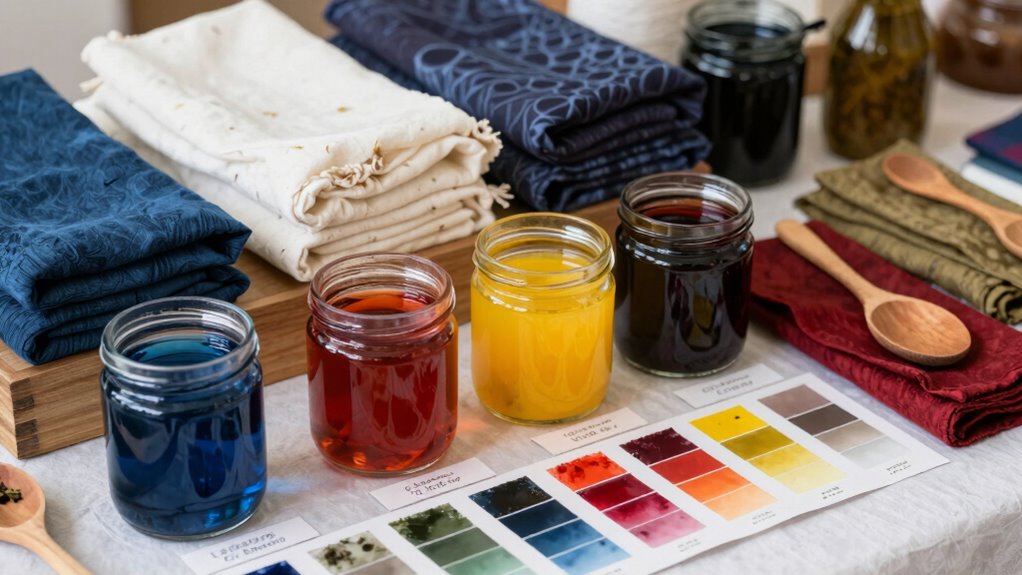

Natural dye starter kits give you the tools and instructions to learn how to extract vibrant colors from plants like beets, turmeric, and indigo. You’ll discover techniques for preparing materials, optimizing dyeing conditions, and understanding how factors like pH and mordants affect hues. These kits also teach you about colorfastness and eco-friendly practices, helping you create beautiful, sustainable textiles. Keep exploring, and you’ll uncover even more ways to develop your natural dyeing skills and knowledge.

Get your wardrobe favorites delivered free — and shop member deals
- Fast, free delivery on millions of items
- Access to Prime Big Deal Days deals on October 6–7
- Prime Video, Amazon Music and more included
Key Takeaways
- They introduce fundamental techniques for extracting vibrant natural dyes from plants like beets, turmeric, and indigo.
- They teach how to optimize dyeing conditions, such as pH, temperature, and mordant use, for desired color results.
- They demonstrate methods to test and enhance colorfastness and dye longevity through proper aftercare.
- They promote eco-friendly practices, including sustainable sourcing, waste management, and responsible use of materials.
- They encourage creative experimentation with plant combinations, layering, and color development for unique shades.
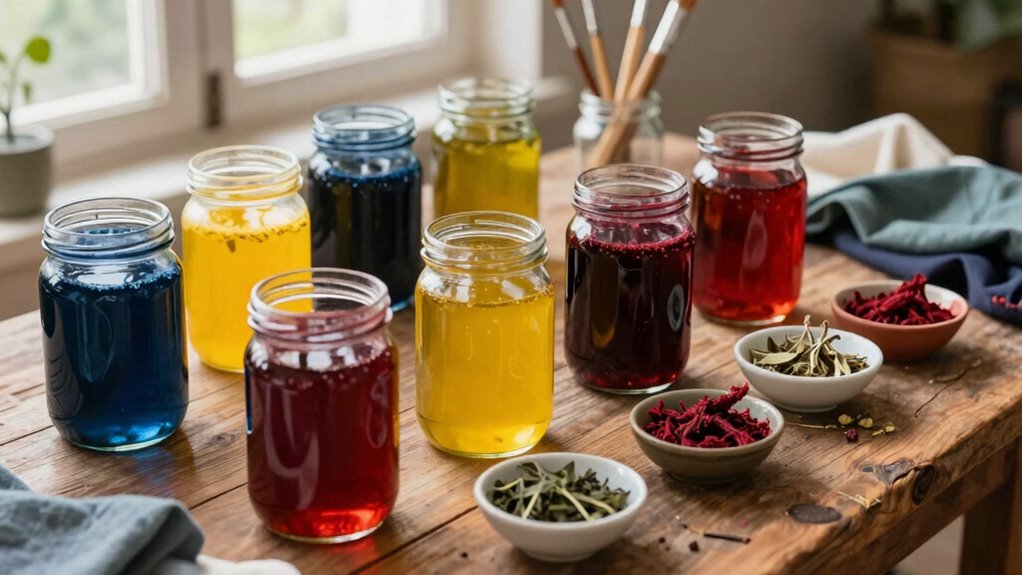
If you’re interested in exploring sustainable and creative ways to add color to your projects, natural dye starter kits are an excellent place to begin. These kits introduce you to the fundamentals of dye extraction, where you learn to extract vibrant hues from plants, flowers, and other natural materials. The process begins with selecting your sources—beets, turmeric, indigo, or madder root, for example—and then carefully preparing them to release their pigments. You’ll discover how different materials require specific extraction techniques, whether boiling, soaking, or fermenting, to maximize color yield. As you work through dye extraction, you’ll gain hands-on experience in understanding how plant chemistry influences the intensity and shade of the dye you create. Learning about natural dye extraction helps deepen your understanding of the chemical processes involved and enhances your overall craft. Exploring plant chemistry can reveal why certain plants produce more vibrant dyes or how modifying extraction conditions alters the final color. Additionally, you’ll see how dye stability plays a crucial role in maintaining color over time and influences your approach to mordanting and aftercare. Understanding the science behind colorfastness allows you to make more informed decisions about preserving your dyed textiles.
Once you’ve prepared your dyes, the next key step is dyeing your fabrics or fibers. Here, you’ll see how natural dyes interact with different textiles and how factors like pH, temperature, and mordants can affect the final result. But your learning doesn’t stop there. To guarantee your dyed pieces maintain their vibrant hues over time, you’ll perform colorfastness testing. This involves subjecting your textiles to various conditions—such as washing, light exposure, and rubbing—to assess how well the color holds. These tests help you understand the durability of natural dyes and teach you how to optimize your processes for longer-lasting results. Engaging in colorfastness testing also teaches you the importance of proper mordant use and aftercare to preserve your artwork.
Throughout your journey with natural dyes, you also learn about the importance of sustainability. You realize that choosing natural sources reduces reliance on synthetic chemicals, lowering environmental impact. The kits often include tips on eco-friendly practices, like composting leftover plant material or using waste water responsibly. Furthermore, you’ll develop an eye for color—observing how different plant combinations produce unique shades and how layering or over-dyeing can create complex, nuanced colors. This experimentation enhances your creative skills and deepens your appreciation for the natural world’s palette. Recognizing the benefits of sustainable practices encourages you to incorporate eco-conscious choices into other aspects of your lifestyle.
As an affiliate, we earn on qualifying purchases.
Frequently Asked Questions
How Long Do Natural Dyes Typically Last on Fabrics?
Natural dyes usually last between one to three years on fabrics, depending on factors like fabric type and exposure. To guarantee longevity, you can perform colorfastness testing and dye stability analysis. Proper washing, avoiding direct sunlight, and using mordants help preserve the vibrancy. With these care techniques, your natural-dyed fabrics can stay beautiful longer, giving you a richer, more durable finish.
Are Natural Dyes Safe for Sensitive Skin?
Picture a gentle river, flowing calm and pure—this symbolizes the safety of natural dyes for sensitive skin. You can generally trust natural dyes, but chemical safety and allergy concerns still matter. Some plant-based dyes might trigger reactions if you have allergies, so patch testing is wise. Overall, natural dyes tend to be safer and less irritating than synthetic ones, making them a gentle choice for your skin’s delicate nature.
Can Natural Dyes Be Used on All Fabric Types?
Natural dyes can be used on most fabric types, but you should check compatibility first. Unlike synthetic alternatives, natural dyes may not bond as well with certain synthetic fibers, resulting in less vibrant or uneven colors. You also need to take into account chemical reactions during dyeing; some fabrics react differently, affecting color fastness. Always test a small piece first to ensure good results on your chosen material.
What Equipment Is Essential for Natural Dyeing?
You’ll need crucial equipment like a large pot for dye bath preparation, straining tools to separate plant materials, and gloves to protect your hands. Plant mordants are indispensable for fixing dyes onto fabrics, so keep them handy. A stirring stick ensures even dyeing, and a thermometer helps monitor temperature. With these tools, you’ll confidently prepare dye baths, mordant fabrics, and achieve vibrant, lasting natural colors in your textiles.
How Eco-Friendly Are Natural Dyeing Processes?
Natural dyeing is quite eco-friendly compared to synthetic alternatives, reducing harmful chemical runoff and waste. You avoid the environmental impact associated with synthetic dyes, which often contain toxic substances that pollute water sources. By choosing natural dyes, you support sustainable practices and lower your carbon footprint. Overall, natural dye processes promote environmental health, making your crafting more responsible and aligned with eco-conscious values.
Conclusion
By exploring natural dye starter kits, you uncover more than just beautiful colors—you connect with centuries-old traditions and sustainable practices. Did you know that textile dyeing accounts for up to 17-20% of global water pollution? Embracing natural dyes not only reduces harm to the environment but also enriches your creative journey. So, start experimenting today and be part of the movement toward eco-friendly artistry that makes a real difference.
Evergreen bestsellers Picks
bestsellers
As an affiliate, we earn on qualifying purchases.