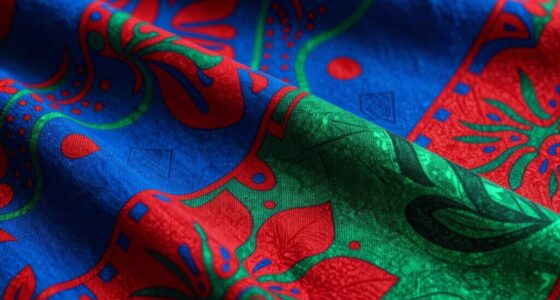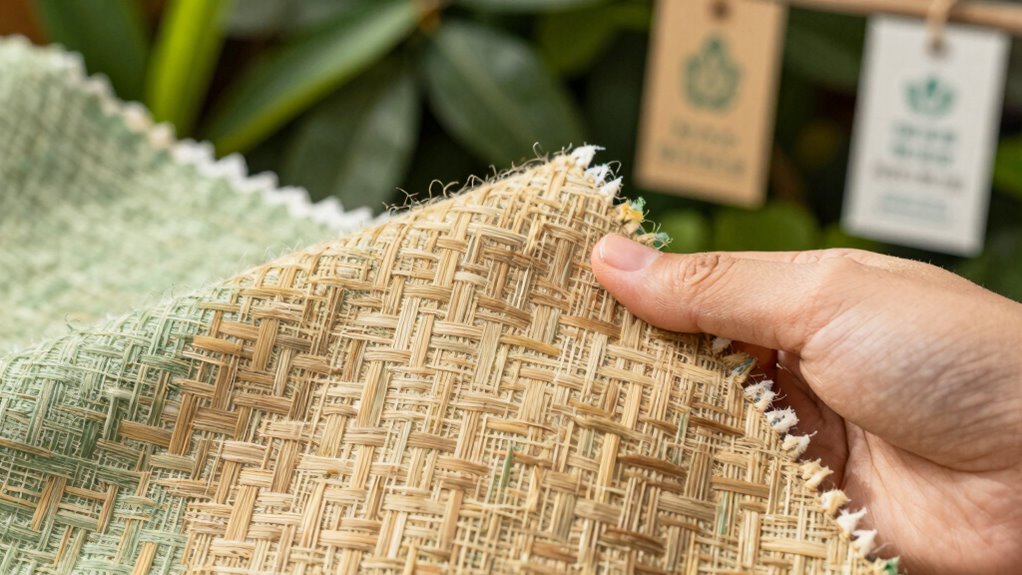

Sustainable fabrics keep gaining ground because they help cut water use, reduce pollution, and lower the carbon footprint of clothing production. Advances in eco-friendly dyeing methods and biodegradable materials make these fabrics more vibrant, durable, and safe for your skin. Brands are increasingly adopting practices that protect natural resources and promote circular design. As awareness grows, eco-conscious options become more accessible and stylish. If you stay tuned, you’ll discover how these innovations are shaping a greener future for fashion.
Key Takeaways
- Growing consumer awareness of environmental issues drives demand for eco-friendly fabrics.
- Advances in sustainable dyeing techniques improve fabric vibrancy and durability, making them more appealing.
- Brands adopting greener practices enhance their reputation and meet evolving market expectations.
- Sustainable fabrics reduce water usage, pollution, and carbon footprint, aligning with global environmental goals.
- Innovation and availability of eco-friendly materials make sustainable textiles more versatile and accessible.
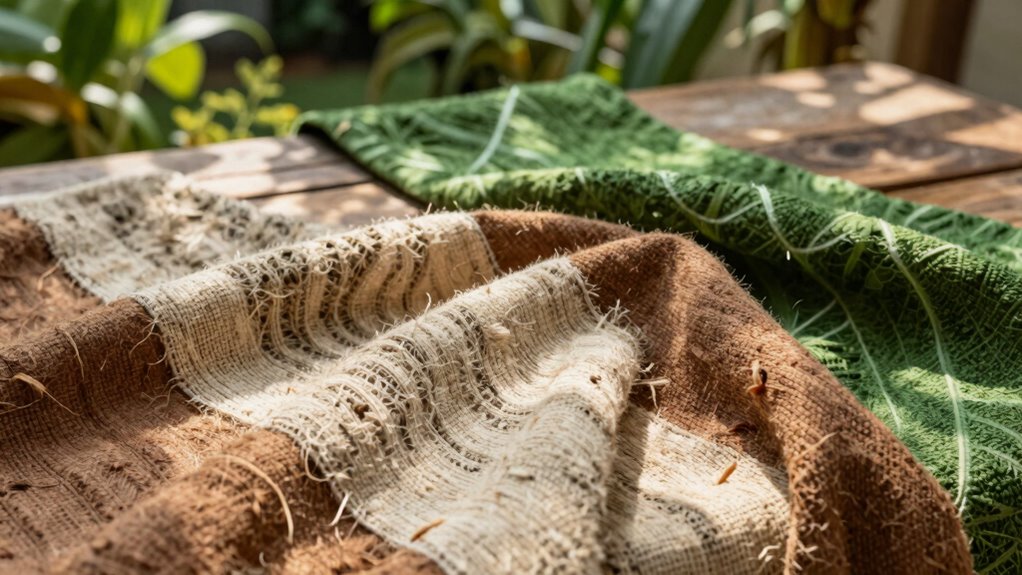
As awareness of environmental impact grows, more people are turning to sustainable fabrics as an eco-friendly alternative to traditional textiles. You’re likely looking for ways to lessen your carbon footprint, and choosing fabrics that prioritize sustainability is a smart move. One key reason behind this shift is the rise of eco friendly dyeing techniques. Conventional dyeing processes often involve toxic chemicals and large amounts of water, which harm ecosystems and waste resources. Eco friendly dyeing, however, uses natural dyes or less harmful chemical processes, reducing water consumption and pollution. When you opt for fabrics that are dyed sustainably, you’re supporting practices that protect water sources and cut down on harmful waste. This not only benefits the environment but also results in softer, more natural fabrics that are safer for your skin. Additionally, advancements in sustainable dyeing methods are making eco-friendly fabrics more accessible and vibrant than ever before. These innovations also contribute to reducing the carbon footprint of textile production, further enhancing their environmental benefits. The development of innovative dyeing techniques is also helping to overcome previous limitations in color variety and durability, making sustainable fabrics more appealing for everyday use. Furthermore, ongoing research into chemical-free dyeing processes is opening new avenues for truly eco-conscious textile production. The integration of biodegradable materials into fabric manufacturing is another promising development that helps minimize waste and environmental impact. The combination of eco friendly dyeing and circular textile design makes sustainable fabrics an attractive option for conscious consumers. You’re not just buying into a trend—you’re participating in a movement that values environmental health and resource conservation. These innovations make it possible for you to enjoy stylish, comfortable clothing without compromising your values. As more brands adopt these practices, the availability of sustainable fabrics continues to grow, making it easier for you to make eco-conscious choices. Over time, this shift could lead to a significant reduction in the environmental impact of the fashion industry, which is one of the largest polluters worldwide. When you prioritize sustainable fabrics, you’re actively supporting cleaner production methods, helping to preserve natural resources, and encouraging the industry to innovate toward greener solutions.

Zero-Waste Sewing Studio: Upcycle Clothes, Scrap Fabric & Thrift Finds into Wardrobe Classics
As an affiliate, we earn on qualifying purchases.
As an affiliate, we earn on qualifying purchases.
Frequently Asked Questions
How Do Sustainable Fabrics Compare in Durability to Conventional Fabrics?
Sustainable fabrics often match or even surpass conventional fabrics in durability, thanks to rigorous durability testing. You’ll find that materials like organic cotton or hemp tend to have excellent material longevity, resisting wear and tear over time. While some may worry about longevity, many sustainable fabrics are designed for everyday use, ensuring your clothing stays durable and eco-friendly, making them a smart choice for long-term wear.
Are Sustainable Fabrics More Expensive Than Traditional Textiles?
Sustainable fabrics are generally more expensive than traditional textiles due to higher production costs and eco-friendly sourcing. You’ll find that the cost comparison varies depending on the fabric type and market availability; some sustainable options are more affordable, especially as demand grows and production scales up. While prices may be higher now, investing in sustainable fabrics supports environmental efforts and can be worthwhile for quality, durability, and eco-conscious choices.
What Are the Environmental Impacts of Producing Sustainable Fabrics?
Producing sustainable fabrics dramatically reduces environmental impacts, almost like turning back the clock on pollution! You’ll find eco-friendly innovations like organic cotton and recycled fibers cutting down water use and chemical runoff. Plus, supply chain transparency guarantees no sneaky shortcuts harm ecosystems. By choosing these fabrics, you’re actively fighting climate change, conserving resources, and championing a healthier planet—making your wardrobe a true hero for Earth!
Can Sustainable Fabrics Be Recycled or Reused Effectively?
Yes, sustainable fabrics can be recycled and reused effectively through specialized recycling processes and reuse strategies. You can participate in collection programs that break down fibers for reuse or repurpose fabrics into new products. Many brands now design with recycling in mind, making it easier to recycle fabrics after their initial use. By choosing products with clear recycling options, you help close the loop and reduce waste.
How Do Sustainable Fabrics Perform in Different Climates and Conditions?
Sustainable fabrics are like chameleons, adapting well across various climates and conditions. You’ll find they excel in climate adaptability, keeping you comfortable whether it’s hot or cold. Their moisture management features help wick away sweat or rain, ensuring you stay dry and fresh. These fabrics perform reliably, often surpassing conventional options, making them a smart choice for diverse environments and outdoor activities.
Conclusion
As you embrace sustainable fabrics, you’re helping shape a greener future. Imagine walking into a clothing store where every piece is made from organic cotton or recycled fibers—your choices driving positive change. For example, brands like Patagonia show how eco-friendly materials can meet style and durability. By choosing sustainable fabrics, you’re not just updating your wardrobe—you’re supporting a healthier planet for everyone. Every small step counts in making sustainable fashion the new norm.