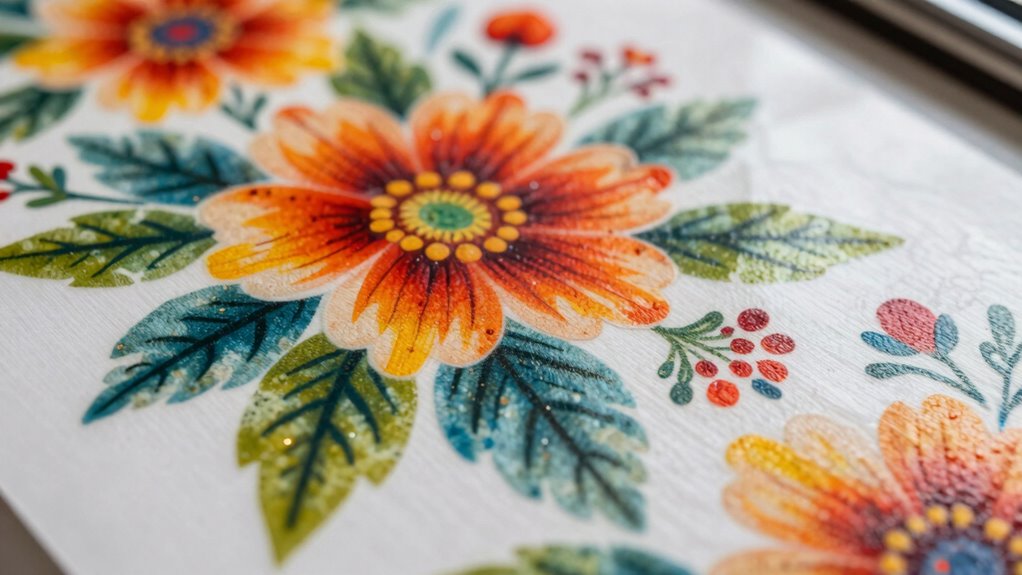

DTF printing is a simple, fast way to transfer detailed, vibrant designs onto fabrics like cotton, polyester, and blends. You print your design onto special film, then use heat to bond it to your fabric, creating a durable, professional finish. It’s perfect for making custom T-shirts, bags, or other fabric projects. With its versatility and high-quality results, you’re set to create impressive designs easily—keep exploring to learn more about how it works.

Get your wardrobe favorites delivered free — and shop member deals
- Fast, free delivery on millions of items
- Access to Prime Big Deal Days deals on October 6–7
- Prime Video, Amazon Music and more included
Key Takeaways
- DTF printing transfers detailed, vibrant designs onto fabrics using heat and special films for a durable bond.
- It works on various fabrics like cotton, polyester, and blends, making it versatile for different projects.
- The process produces high-quality images that resist cracking, fading, and peeling after multiple washes.
- DTF printing is efficient, quick, and suitable for both small-scale and high-volume fabric projects.
- Advances in technology improve color vibrancy, adhesion, and ease of use, making it accessible for creators and businesses.
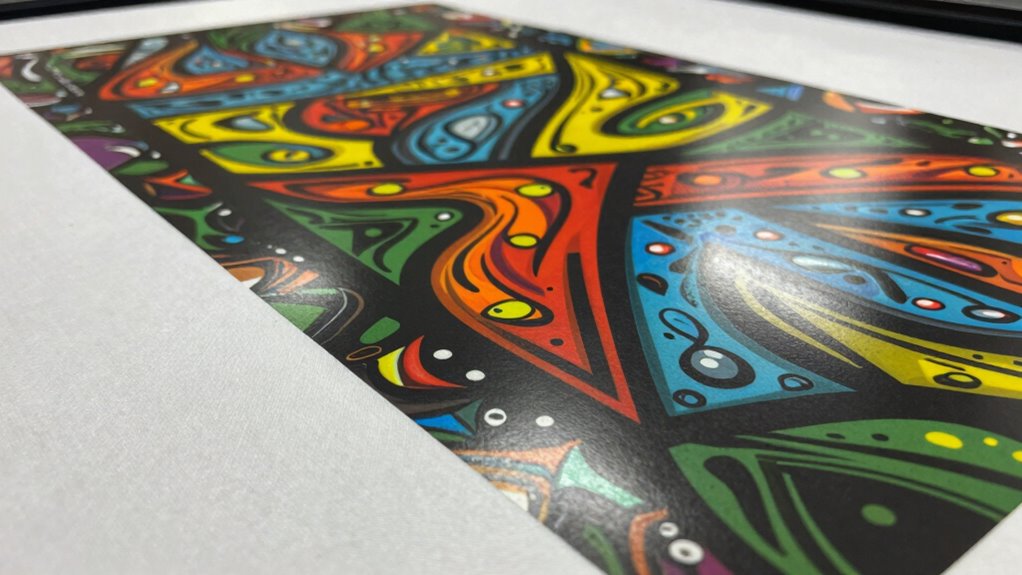
Direct-to-Film (DTF) printing has revolutionized fabric projects by offering a versatile and durable method for transferring vibrant designs onto textiles. This process involves printing your desired design onto a special film, which is then heat transferred onto fabric. The heat transfer aspect makes the process straightforward and efficient, allowing you to produce high-quality, detailed images with ease. Whether you’re creating custom T-shirts, bags, or other fabric items, DTF printing provides a reliable way to bring your ideas to life. The versatility of this method means you can print on a wide variety of fabrics, including cotton, polyester, and blends, making it suitable for many different projects. One of the key advantages of DTF printing is its ability to offer extensive color customization. Unlike traditional methods that may limit your color palette or require multiple layers, DTF allows you to reproduce complex, multi-colored designs with vibrant accuracy. You can choose any color you want, and the process guarantees that your design remains bright and true to your original vision. This is especially important if you’re aiming for intricate artwork or detailed graphics, as the technology captures every nuance of your design without sacrificing quality. With DTF, you’re not restricted to basic color schemes; instead, you have the freedom to experiment and create designs that truly stand out. Additionally, the DTF printing process benefits from advancements in technology that enhance color vibrancy and adhesion, resulting in even more durable and eye-catching prints. As the process continues to evolve, it becomes easier to produce professional-quality results with consistent success. The heat transfer component of DTF printing is user-friendly and consistent. Once your design is printed onto the film, you simply place it onto the fabric and apply heat using a heat press or iron. The heat activates the adhesive in the film, bonding the design securely to the fabric. This step is quick and effective, producing a professional finish that resists cracking, peeling, or fading over time. Because the process relies on heat transfer, you can produce multiple items efficiently, making it ideal for small-scale businesses or personal projects. Plus, the durability of the resulting print means your designs will last through numerous washes without losing their vibrancy. Moreover, ongoing technological innovations continue to improve the ease and quality of DTF printing, expanding its potential use in various creative endeavors. These advancements also contribute to reducing the costs associated with producing high-quality prints, making it more accessible for hobbyists and entrepreneurs alike. Furthermore, the improved adhesion of DTF prints ensures that designs remain intact even after extended use and frequent laundering.
As an affiliate, we earn on qualifying purchases.
Frequently Asked Questions
Can DTF Printing Be Used on All Fabric Types?
Yes, DTF printing can be used on many fabric types, but fabric compatibility varies. It works best on polyester and synthetic blends due to their dye absorption qualities, which guarantee vibrant, durable prints. Cotton and natural fabrics may require pre-treatment for ideal results. Always test a small area first, as dye absorption differs between fabrics, affecting print quality and longevity.
How Durable Is DTF Printed Fabric?
Imagine your fabric becomes as enduring as a knight’s armor—DTF printed fabric is quite durable. You might face some colorfastness issues if the fabric isn’t compatible, so always check fabric compatibility first. Generally, DTF prints resist cracking and fading with proper care, making them suitable for everyday wear and use. However, for intense washing or stretching, the print’s longevity depends on correct application and fabric choice.
What Is the Cost Comparison Between DTF and Other Printing Methods?
You’ll find that DTF printing generally offers a favorable affordability comparison with other methods like screen printing or direct-to-garment (DTG). Its cost analysis shows lower setup costs and flexibility for small runs, making it more budget-friendly for custom or limited projects. While initial investment might be slightly higher than some methods, DTF’s quick turnaround and vibrant results often make it a cost-effective choice overall.
Is Special Equipment Needed for DTF Printing at Home?
Yes, you need special equipment for DTF printing at home, including a printer, a heat press, and powders. Setting up your home for DTF involves equipment costs and space considerations. You’ll want a dedicated area for printing and curing, plus the right tools to guarantee quality results. While the initial investment can be significant, the ability to produce custom designs makes it worthwhile for many hobbyists and small businesses.
How Environmentally Friendly Is DTF Printing?
DTF printing is relatively eco-friendly because it produces less waste and uses water-based inks, which have a lower eco impact. You can also explore recycling options for the leftover materials and used inks to further reduce your environmental footprint. While it’s not completely zero waste, choosing environmentally conscious practices, such as recycling and efficient ink use, makes DTF printing a greener choice for fabric projects.
Conclusion
Now that you’ve revealed the secrets of DTF printing, your fabric projects will explode with vibrant colors and unbeatable durability! Imagine transforming plain fabrics into eye-popping masterpieces that captivate everyone’s attention—your creative power knows no bounds. With DTF, you’re not just making clothes or accessories; you’re crafting wearable art that practically leaps off the fabric and into the world. Get ready to amaze yourself—and everyone who sees your incredible, long-lasting creations!
Fall Picks
fall essentials
As an affiliate, we earn on qualifying purchases.