
Heat-regulating textiles use phase-change materials (PCMs) to help you stay comfortable in various environments. These materials absorb, store, and release heat as your body temperature fluctuates, actively adjusting insulation to keep you warm or cool. This dynamic response minimizes temperature swings and reduces the need for extra layers. If you want to discover how these advanced fabrics can enhance your comfort and performance, there’s more to explore beyond this introduction.

Get your wardrobe favorites delivered free — and shop member deals
- Fast, free delivery on millions of items
- Access to Prime Big Deal Days deals on October 6–7
- Prime Video, Amazon Music and more included
Key Takeaways
- Phase-change materials (PCMs) in textiles absorb, store, and release heat to maintain consistent body temperature.
- These textiles dynamically respond to environmental changes, providing superior thermal regulation.
- PCMs improve moisture management by maintaining microclimates and reducing dampness and discomfort.
- Heat-regulating fabrics with PCMs reduce the need for layering and external heating or cooling.
- Incorporating PCMs enhances clothing comfort, efficiency, and sustainability by lowering energy consumption.

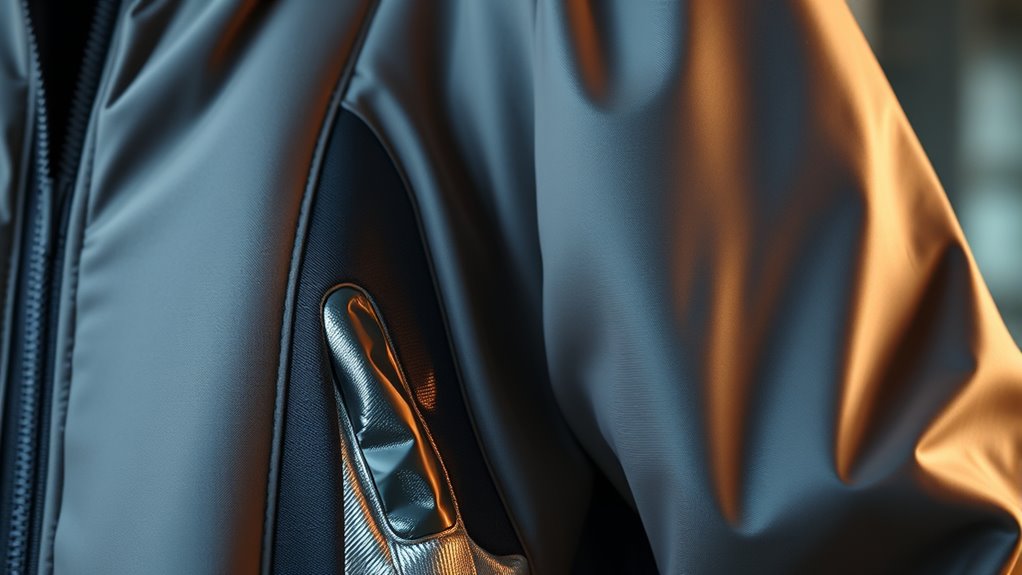
Heat-regulating textiles are innovative fabrics designed to adapt to your body’s temperature, keeping you comfortable in various environments. These fabrics leverage advanced materials like phase-change materials (PCMs) to respond dynamically to temperature fluctuations. When you wear clothing made from these textiles, they can absorb, store, and release heat, providing a more consistent and comfortable experience throughout the day.
One of the key benefits of heat-regulating textiles is their ability to enhance thermal insulation. Unlike traditional fabrics that offer static insulation, these textiles actively work to maintain your body’s ideal temperature by adjusting their properties based on external and internal conditions. When you’re in a cold environment, the phase-change materials absorb excess heat, preventing rapid heat loss. Conversely, in warmer settings, they release stored heat to keep you cool. This dynamic thermal regulation minimizes temperature swings and reduces the need for multiple layers, making your clothing more efficient and comfortable.
Heat-regulating textiles adapt to your environment, maintaining comfort by adjusting insulation based on external and internal conditions.
Moisture management is another vital feature of these textiles. As you move or sweat, moisture-wicking properties in the fabric draw sweat away from your skin, helping you stay dry and comfortable. The phase-change materials further support moisture management by maintaining a stable microclimate close to your skin. This prevents excessive sweating and reduces the feeling of dampness, which can lead to discomfort or chafing over time. The combination of moisture-wicking and temperature regulation ensures that you stay dry, comfortable, and focused, whether you’re exercising, working outdoors, or simply going about your daily routine.
The beauty of heat-regulating textiles lies in their responsiveness. They adapt seamlessly to changing conditions, providing continuous comfort without the need for adjustments or additional layers. This makes them highly suitable for outdoor activities, sports, or everyday wear where temperature variability is common. Additionally, because these textiles improve thermal insulation and moisture management, they can extend the lifespan of your clothing by reducing wear and tear caused by moisture buildup or extreme temperature shifts. Moreover, incorporating advanced materials like PCMs in textiles can help reduce environmental impact by decreasing the need for energy-intensive cooling or heating layers.
phase change material thermal underwear
As an affiliate, we earn on qualifying purchases.
As an affiliate, we earn on qualifying purchases.
Frequently Asked Questions
How Durable Are Phase-Change Materials After Multiple Wash Cycles?
You’ll find that phase-change materials (PCMs) tend to maintain their durability quite well after multiple wash cycles, but it depends on proper care. Durability testing shows that repeated wash cycle effects can gradually lessen PCM effectiveness, especially if exposed to harsh detergents or high temperatures. To keep your clothing performing best , follow manufacturer care instructions carefully, and avoid frequent, aggressive washes that could diminish the PCM’s heat-regulating properties over time.
Are Heat-Regulating Textiles Environmentally Sustainable?
Think of heat-regulating textiles as eco-friendly guardians for your wardrobe. They can be environmentally sustainable if made through sustainable manufacturing practices and designed for eco-friendly disposal. By choosing brands committed to sustainability, you help reduce environmental impact, ensuring these innovative fabrics don’t just keep you comfortable but also support a healthier planet. Your choices matter—embrace these textiles to make a positive difference for future generations.
Can Phase-Change Materials Cause Skin Irritation?
Yes, phase-change materials can cause skin irritation if you have skin sensitivity, especially if they’re not properly embedded or if the textile contains chemicals that aren’t safe. To avoid issues, check for clothing labeled as chemical-safe and designed for sensitive skin. Manufacturers often test for skin reactions, so choosing high-quality, skin-friendly phase-change textiles reduces the risk of irritation and ensures comfortable wear.
How Do Temperature Changes Affect Phase-Change Material Performance?
When temperature changes wildly, phase-change materials become superheroes or villains, depending on the situation! Their thermal responsiveness kicks in, absorbing or releasing heat to keep you comfortable. But if temperatures fluctuate too rapidly, their performance can falter, losing stability and making your clothing less effective. For ideal results, these materials need steady, predictable temperature shifts to maintain their thermal responsiveness and guarantee consistent temperature stability.
What Are the Cost Differences Between Traditional and Phase-Change Textiles?
You’ll find that phase-change textiles usually cost more upfront than traditional fabrics, mainly due to higher manufacturing expenses involved in embedding phase-change materials. The cost comparison shows that while traditional textiles are cheaper initially, phase-change fabrics may save you money over time by reducing heating or cooling needs. Despite the higher initial investment, their durability and performance can make them a worthwhile choice for long-term comfort and energy savings.
Conclusion
You now see how phase-change materials transform your clothing, balancing heat like a natural thermostat. They adapt instantly, responding to your body’s needs, yet remain invisible, seamless in design. This blend of science and comfort offers more than just warmth—it provides freedom. So, while the textiles cool you when hot and warm you when cold, they remind you that innovation and everyday life can work together, creating clothing that truly understands your body’s rhythm.
Fall Picks
fall essentials
As an affiliate, we earn on qualifying purchases.