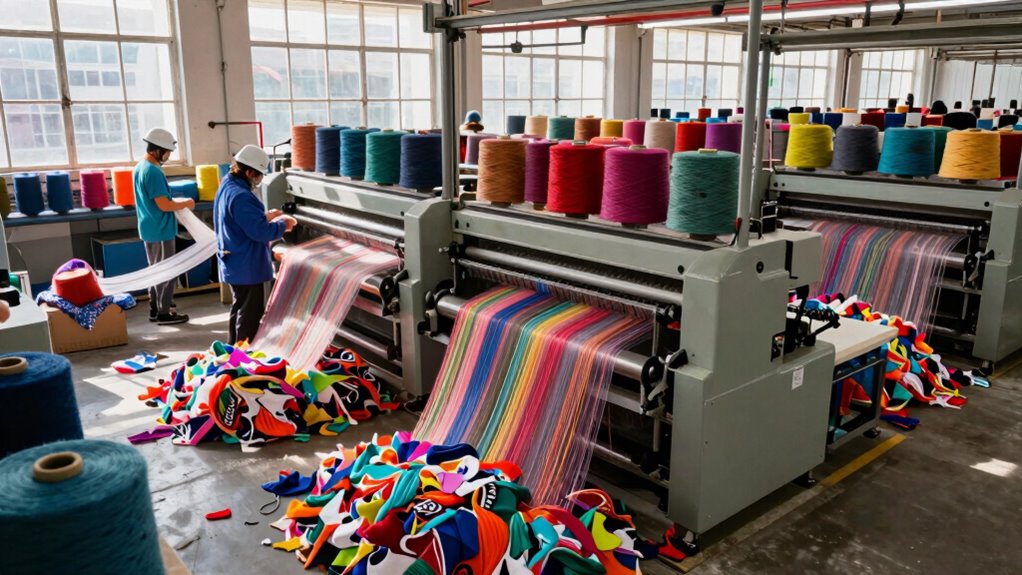

Recycled fibers are moving mainstream because of growing awareness of environmental issues and your increasing demand for sustainable products. Advances in recycling technology now produce high-quality, durable fibers suitable for everyday wear. Brands are embracing these fibers to boost their sustainability stories and meet responsible sourcing standards. With local sourcing reducing emissions, and consumers like you prioritizing eco-friendly options, the industry is shifting faster than ever. Keep exploring to see how these changes shape the future of fashion and textiles.

Get your wardrobe favorites delivered free with Prime
- Fast, free delivery on millions of items
- Prime Video, Amazon Music and more included
- Member-only deals all year
Key Takeaways
- Growing environmental awareness and consumer demand drive brands to adopt recycled fibers for sustainability.
- Technological advancements improve fiber quality, making recycled options suitable for mainstream high-performance textiles.
- Supply chain innovations and regional sourcing reduce environmental impact and lower production costs.
- Recycled fibers align with industry shifts toward responsible sourcing and sustainable manufacturing practices.
- Consumer preference for eco-friendly products encourages brands to incorporate recycled fibers into their offerings.
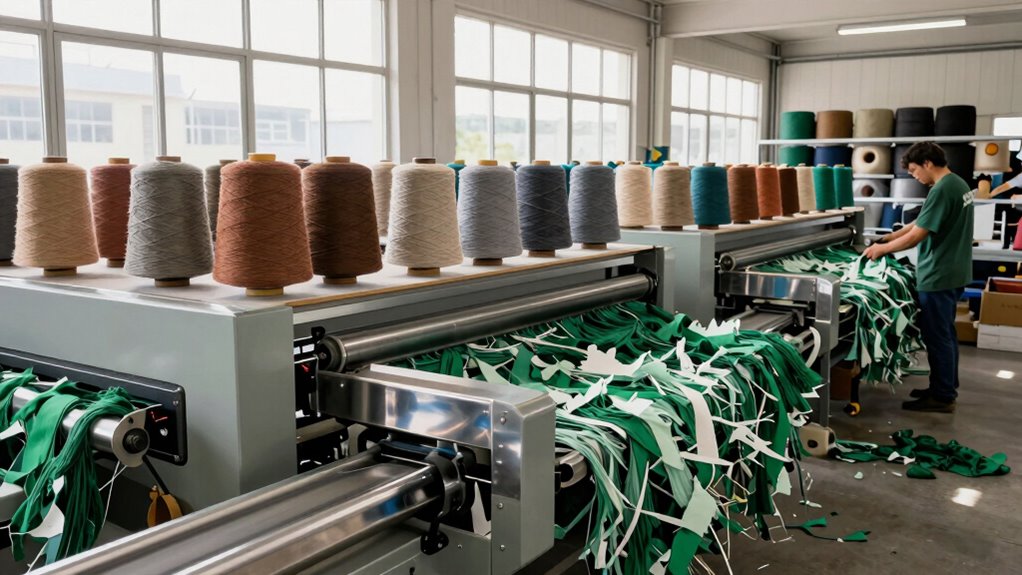
Have you noticed recycled fibers gaining popularity in the textiles industry? It’s a trend driven by a growing awareness of environmental issues and a desire for more sustainable options. Recycled fibers are at the forefront of eco-friendly innovations, transforming the way fabrics are produced and consumed. By reprocessing waste materials like plastic bottles, old garments, and textile scraps, manufacturers reduce reliance on virgin resources, cutting down on energy use and environmental degradation. This shift isn’t just about creating greener fabrics; it’s about rethinking entire supply chains to prioritize sustainability from start to finish.
One of the key reasons recycled fibers are moving into the mainstream is because they enable brands to meet the rising consumer demand for eco-conscious products. People like you are increasingly seeking out brands that show genuine commitment to environmental responsibility. Recycled fibers help companies tell a compelling story — one of innovation, accountability, and care for the planet. As a result, more brands are integrating these fibers into their collections, making sustainable fashion more accessible and appealing to a broader audience.
Supply chain sustainability plays an essential role in this *changeover*. By incorporating recycled fibers, companies can *considerably* reduce their carbon footprint and minimize waste. The process often involves sourcing waste materials locally or regionally, which shortens transportation distances and cuts emissions. Additionally, using recycled fibers often requires less water and energy compared to traditional fiber production, making the entire process more environmentally friendly. Efficient recycling methods have helped improve the quality and consistency of recycled fibers, encouraging more widespread adoption. The development of advanced processing techniques has further enhanced fiber quality, making recycled fibers suitable for high-performance applications. This holistic approach to sustainability resonates with consumers who want their purchases to align with their values. Moreover, advancements in eco-friendly innovations have made recycled fibers more versatile and high-quality than ever before. Modern recycling technologies allow fibers to maintain durability, softness, and performance, ensuring they meet the standards of traditional fabrics. This progress encourages designers and manufacturers to experiment with recycled content without compromising quality or style. As a result, recycled fibers are no longer just a niche option but a viable, stylish choice for mass-market apparel and home textiles.
The increasing availability of recycled fibers is also supported by a push for supply chain sustainability and responsible sourcing, which is crucial in shaping how textiles are produced today. Incorporating recycled fibers is part of a broader movement toward sustainable manufacturing practices, which aim to reduce environmental impact across all stages of production. Innovations in recycling technology continue to improve the feasibility and scalability of using recycled fibers at larger scales. In the end, the mainstream adoption of recycled fibers reflects a broader shift toward responsible consumption and production. You’re part of a movement that values transparency, sustainability, and innovation. When you choose products made with recycled fibers, you support a supply chain that’s more sustainable and resilient. This *changeover* isn’t just a trend; it’s a fundamental change that’s reshaping the future of textiles, making eco-friendly innovations the new standard rather than the exception.
As an affiliate, we earn on qualifying purchases.
Frequently Asked Questions
How Do Recycled Fibers Compare in Quality to Virgin Fibers?
Recycled fibers generally match virgin fibers in quality, but it depends on the recycling process. You’ll find that recycled fibers often have comparable fiber strength, making them durable for many applications. They also absorb dyes well, allowing vibrant colors. However, some recycled fibers may have slight variations or minor imperfections, but advances in technology are consistently improving their quality, making them a sustainable and reliable alternative to virgin fibers.
What Are the Environmental Benefits of Using Recycled Fibers?
Using recycled fibers helps cut marine pollution by reducing waste that often ends up in oceans. It also conserves energy—saving up to 60% compared to producing virgin materials. These eco-friendly benefits decrease the environmental footprint of textile manufacturing and help protect marine life. When you choose recycled fibers, you’re actively supporting sustainability efforts, making a positive impact on our planet’s health and preserving natural resources for future generations.
Are Recycled Fibers More Cost-Effective Than Traditional Options?
Recycled fibers can be more cost-effective than traditional options because they often lead to significant cost savings in raw material expenses. Additionally, using recycled fibers enhances supply stability, reducing your reliance on fluctuating fossil fuel-based sources. This combination of lower costs and consistent availability makes recycled fibers an attractive choice for your business, helping you stay competitive while supporting environmentally friendly practices.
How Do Recycled Fibers Affect the Durability of Finished Products?
Recycled fibers can impact the durability of finished products positively if properly processed. You’ll find that good fiber bonding enhances strength, making items more resilient over time. Additionally, recycled fibers often improve moisture resistance, reducing the risk of damage from humidity or water exposure. When manufacturers optimize these properties through advanced techniques, your products become more durable, maintaining quality even with regular use and environmental challenges.
What Innovations Are Driving the Adoption of Recycled Fibers?
You see, innovation trends in fiber recycling are shaping the adoption of recycled fibers. Advanced technologies like chemical recycling and improved sorting methods allow manufacturers to produce higher-quality fibers, making recycled options more appealing. These innovations boost durability, reduce environmental impact, and lower costs, encouraging brands to incorporate recycled fibers into mainstream products. As a result, fiber recycling becomes more efficient and widespread, driven by these cutting-edge advancements.
Conclusion
As you see, the shift toward recycled fibers feels almost inevitable, like the universe aligning in your favor. Perhaps it’s no coincidence that as awareness grows, industries quietly embrace sustainability, turning recycled fibers into the new norm. The more you explore, the more it seems that this movement was waiting just beneath the surface, ready to unfold. In the end, it’s as if the planet nudged us toward a smarter, greener future—one fiber at a time.
Fall Picks
fall essentials
As an affiliate, we earn on qualifying purchases.