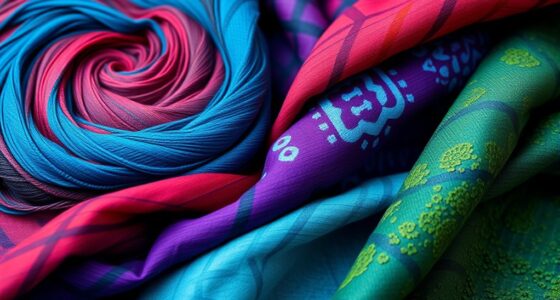
Self-healing and adaptive fabrics are changing how you experience clothing, giving you garments that can repair themselves and respond to your environment. These innovations use nanotechnology to enhance durability, resistance, and functionality, making your clothes last longer and adapt to conditions like rain or heat. Imagine wearable fabrics that heal tears and adjust to your needs automatically. As this technology advances, it promises smarter, more sustainable fashion—continue exploring to see how these breakthroughs could transform your wardrobe.
Key Takeaways
- Self-healing textiles extend garment lifespan by automatically repairing tears and punctures, reducing waste and need for repairs.
- Nanotechnology embeds microscopic agents that enhance durability and add functionalities like water, stain, or UV resistance.
- Adaptive fabrics respond to environmental stimuli such as heat, moisture, or pressure, offering smarter, more functional clothing.
- These innovations promote sustainability by decreasing textile waste and encouraging eco-friendly, long-lasting wearables.
- Future wearables will combine self-healing and adaptive features, revolutionizing comfort, utility, and sustainability in fashion.

Imagine fabrics that can repair themselves after damage, reducing waste and extending the lifespan of your clothes. This isn’t science fiction anymore; advancements in self-healing textiles are turning this vision into reality. At the core of this innovation is nanotechnology integration, which allows scientists to embed microscopic healing agents directly into the fibers. When a tear or puncture occurs, these agents activate, forming new bonds that mend the fabric’s structure almost instantly. This process not only preserves the garment’s appearance but also maintains its functional integrity, making it a game-changer in sustainable fashion.
By integrating nanotechnology, manufacturers can considerably enhance the durability of fabrics. These textiles become more resistant to everyday wear and tear, reducing the need for frequent replacements. The nanomaterials used can be tailored to improve specific properties, such as resistance to water, stains, or UV rays, creating versatile and long-lasting wearables. The durability enhancement means you spend less time and money on repairs or replacements, while also minimizing environmental impact by decreasing textile waste. Imagine wearing a shirt that can withstand multiple washes, minor abrasions, and accidental tears without losing its form or function. That’s the promise of self-healing fabrics powered by nanotech.
Nanotech-enhanced fabrics resist wear, tears, and stains, promising durable, eco-friendly clothing with longer-lasting style and function.
The self-healing capability isn’t limited to minor damages. Advanced fabrics can adapt to changing conditions by responding to external stimuli like heat, pressure, or moisture. This adaptability makes your clothing smarter and more responsive, adjusting to your activity or environment. For example, if you’re outdoors in the rain, the fabric might reinforce its water resistance automatically. If you’re engaged in intense physical activity, the material could become more breathable or stretchable to enhance comfort. This dynamic behavior is driven by embedded nanostructures that sense and react to stimuli, offering a level of functionality that traditional textiles simply can’t match.
Additionally, understanding the pollution and hydrogen fuel cells landscape highlights the importance of sustainable innovations like self-healing fabrics, which can reduce environmental impact by extending garment lifespan and decreasing waste. As these technologies become more refined, self-healing and adaptive fabrics will revolutionize the wearables industry. They’ll not only extend the life of your clothes but also provide new levels of comfort, utility, and sustainability. In the near future, your wardrobe could include garments that heal themselves, adapt to your lifestyle, and help reduce environmental impact—all thanks to the power of nanotechnology integration and durability enhancement. This evolution in textile science promises a smarter, more sustainable approach to clothing that aligns with your desire for innovation and eco-conscious living.

AMASEWART 45mm Rotary Cutter and Mat Set, Fabric Cutter Wheel and 12×18 Inch Self Healing Sewing Cutting Mat, Fabric Rotary Cutter with 5pcs Rotary Blades for Quilting Patchworking Crafts, Turquoise
Package Includes- 1pcs 45mm Rotary cutter for fabric with 5pcs replacement blades, 1pcs 12×18 Inch self healing cutting…
As an affiliate, we earn on qualifying purchases.
As an affiliate, we earn on qualifying purchases.
Frequently Asked Questions
How Durable Are Self-Healing Fabrics Over Repeated Damage Cycles?
Self-healing fabrics generally maintain good durability over multiple damage cycles because their repair mechanisms activate repeatedly, restoring fabric integrity. You’ll notice that fabric longevity improves with advanced repair systems that can handle repeated tears or punctures. However, over time, some wear and tear may reduce effectiveness, especially if damage exceeds the fabric’s repair capacity. Regular maintenance and careful use help prolong the fabric’s ability to self-heal effectively.
Can Self-Healing Fabrics Be Environmentally Sustainable?
It’s a coincidence that self-healing fabrics can be eco-friendly, but they often raise biodegradability concerns. You can make these materials sustainable by sourcing eco-friendly fibers and ensuring they break down naturally after use. Innovations focus on biodegradable polymers and responsible manufacturing, so you’ll find that self-healing fabrics can be environmentally sustainable if designed thoughtfully. Your choices in sourcing and material composition directly impact their long-term eco-friendliness.
Are There Any Health Risks Associated With Wearable Self-Healing Materials?
You might wonder if wearable self-healing materials pose health risks. While they’re designed to be safe, allergenic concerns could arise if you have sensitivities to certain chemicals used in production. There’s also a chance of chemical exposure during manufacturing or wear, but many manufacturers test for biocompatibility. To stay safe, check product labels and consult with healthcare providers if you have sensitive skin or allergies.
How Do Adaptive Fabrics Respond to Extreme Weather Conditions?
Adaptive fabrics respond to extreme weather by actively adjusting for ideal comfort. They regulate temperature through thermal regulation features, keeping you warm or cool as needed. Additionally, moisture management keeps sweat away, preventing discomfort and chafing. These fabrics sense environmental changes and adapt quickly, ensuring you stay comfortable whether it’s hot, cold, or rainy. You can rely on them to enhance your experience in any weather condition, making your wearables truly smart and functional.
What Are the Cost Implications of Producing Self-Healing Wearable Textiles?
Like a hidden treasure chest, the costs of producing self-healing textiles can be significant. You’ll face higher manufacturing costs and material expenses due to advanced technologies and specialized materials. While these fabrics promise innovation and durability, expect initial investments to be steep. Over time, as production scales up and processes improve, costs may decrease, making this cutting-edge wearables more accessible and sustainable for consumers.
adaptive nanotech sportswear
As an affiliate, we earn on qualifying purchases.
As an affiliate, we earn on qualifying purchases.
Conclusion
Imagine your clothes as a loyal guardian, fiercely protective and ever-adapting. Self-healing fabrics are like a resilient forest, mending itself after storms so you never lose your way. As these fabrics evolve, they become more than just wearables—they become your trusted allies, ready to heal and adapt with you. Embrace this future, where your clothing is a living, breathing part of your journey, resilient enough to face anything life throws your way.
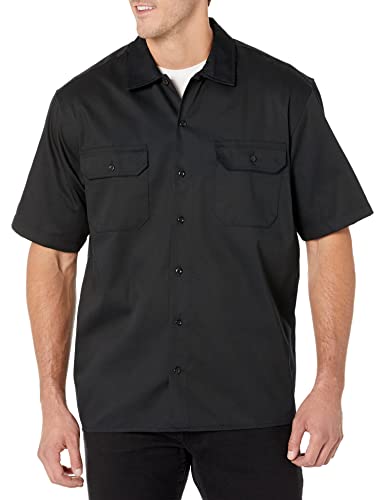
Amazon Essentials Black Button Up Shirt for Men, Short-Sleeve, Stain and Wrinkle-Resistant, X-Large
RELAXED FIT: Enjoy a comfortable and relaxed fit through the shoulders, chest, and waist, designed for all-day comfort
As an affiliate, we earn on qualifying purchases.
As an affiliate, we earn on qualifying purchases.

OAZ 8 Pieces 7.87 x 5.9 inch Nylon Repair Patches Nylon Fabric Patch Self-Adhesive Fabric Repair Tape Waterproof Lightweight Outdoor Gear Patch Kit for Down Jacket Clothing Tent Bag (Black)
【Strong Adhesion】After investigating the viscosity of various nylon repair tapes / outdoor gear patches, the glue we use…
As an affiliate, we earn on qualifying purchases.
As an affiliate, we earn on qualifying purchases.