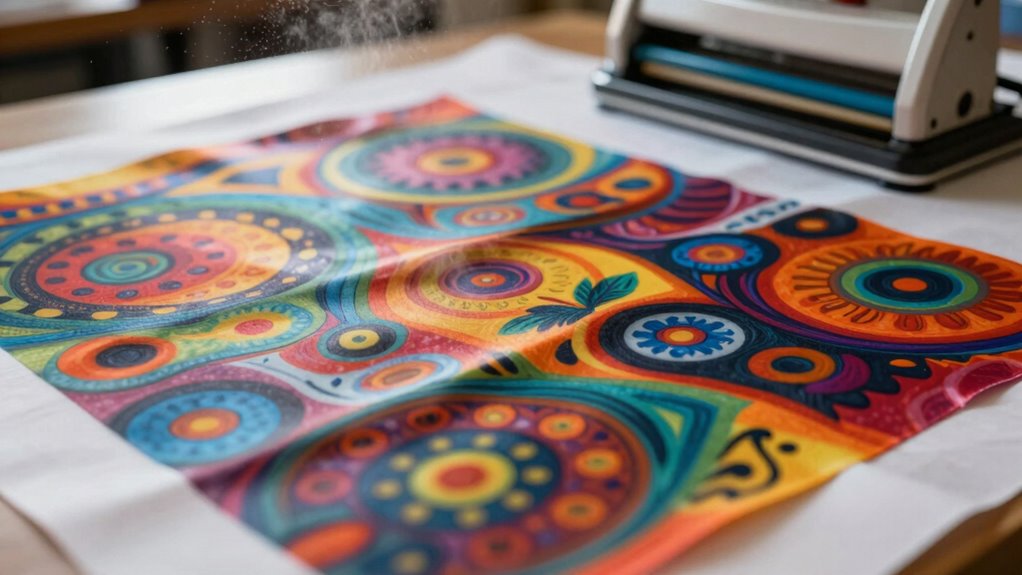

Before starting sublimation on fabric, it’s important to understand that sublimation uses heat to embed dye-based inks into synthetic fibers, creating vibrant, long-lasting images, unlike traditional dyeing which soaks fabric in dye. Choosing the right fabric is vital since synthetics bond best with sublimation inks. Proper heat press techniques—maintaining the correct temperature and pressure—are key to quality results. Mastering these basics will help you achieve durable, vibrant designs; keep going to learn more essential tips and tricks.

Get your wardrobe favorites delivered free with Prime
- Fast, free delivery on millions of items
- Prime Video, Amazon Music and more included
- Member-only deals all year
Key Takeaways
- Use synthetic fabrics, like polyester, for vibrant and durable sublimation prints.
- Ensure your heat press reaches 390-400°F with consistent pressure for optimal transfer.
- Properly print and handle sublimation paper to prevent color bleeding or incomplete transfers.
- Understand fabric composition, as natural fibers may not produce quality sublimation results.
- Practice on scrap pieces to perfect timing, temperature, and pressure before working on your final project.
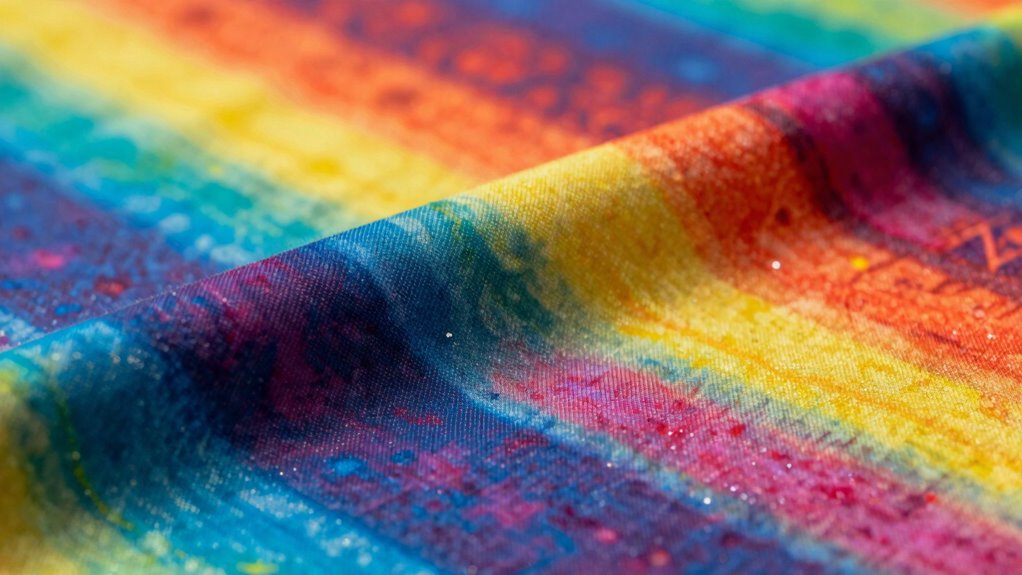
Have you ever wondered how vibrant, permanent images are printed directly onto fabric? That’s where sublimation on fabric comes into play. Unlike traditional fabric dyeing, which involves soaking textiles in dyes or using paint, sublimation uses heat to transfer dye-based inks into the fabric fibers. This process creates vivid, long-lasting images that won’t crack or peel over time. Before diving into sublimation, it’s essential to understand how it differs from other methods, especially fabric dyeing. Fabric dyeing typically saturates the material with color, resulting in a solid, uniform look. Sublimation, on the other hand, allows you to print detailed images and designs that become part of the fabric itself. This makes it ideal for creating customized apparel, promotional items, or artwork.
To get started, you need the right equipment, particularly a heat press. Heat press techniques are fundamental to sublimation because they use high temperatures and pressure to transfer the dye from the paper to the fabric. You’ll need a heat press machine that can reach and maintain consistent temperatures, usually around 390-400°F. The process involves placing your printed sublimation paper onto the fabric and then applying heat and pressure for a set amount of time. This step is pivotal—too little heat, and the dye won’t transfer fully; too much or for too long, and you risk damaging the fabric or causing the colors to bleed. Practicing with scrap pieces helps you perfect your timing and pressure settings. Proper heat press technique is crucial to achieve the best results and ensure the durability of your designs. Additionally, understanding the fabric composition is essential because it directly impacts the quality and vibrancy of the sublimation print. Knowing the fabric’s fiber content helps determine whether sublimation will produce optimal results, as synthetic fibers bond better with dye-based inks. It’s also beneficial to familiarize yourself with how heat and pressure settings influence the final outcome to avoid common pitfalls. Moreover, selecting the appropriate fabric type can greatly enhance the vibrancy and longevity of your sublimation projects.
As an affiliate, we earn on qualifying purchases.
Frequently Asked Questions
Can All Fabric Types Be Sublimated Effectively?
Not all fabric types can be sublimated effectively. You’ll find that sublimation works best on polyester or polyester-coated materials, especially since the fabric’s texture influences the process. Natural fabrics like cotton have sublimation limitations because they don’t absorb the dye well, resulting in dull or faded images. To get vibrant results, choose fabrics designed for sublimation, and always consider the fabric texture and sublimation limitations before starting your project.
How Does Fabric Color Affect Sublimation Results?
Fabric color considerably impacts sublimation results, especially with lighter shades. You’ll get vibrant, sharp images on white or light-colored fabrics because they allow the ink to shine through clearly. Dark or bright colors can result in dull, muted, or less accurate images, since the dye doesn’t show up well against darker backgrounds. To achieve the highest quality results, choose light-colored fabrics, and avoid dark or heavily saturated hues for maximum sublimation quality.
Is Special Equipment Needed for Sublimating on Fabric?
Yes, you need special equipment for sublimating on fabric. The essential equipment includes a heat press and a sublimation printer with sublimation ink. Make sure the fabric is compatible with sublimation, typically polyester or polyester blends, as natural fabrics won’t work well. Proper equipment requirements ensure even heat distribution and vibrant results. Always check fabric compatibility to achieve the best quality, durability, and color fidelity in your sublimation projects.
How Durable Is Sublimation Print on Different Fabrics?
Sublimation print durability varies across fabrics. On polyester, it offers excellent sublimation longevity, maintaining vibrant colors through many washes. However, on fabrics with stretch, like spandex or blends, the print might crack or peel over time due to fabric movement. Always choose high-quality polyester for best results, and follow care instructions carefully to preserve the sublimation design’s durability and flexibility.
Can Sublimation Be Done on Dark-Colored Fabrics?
Sublimation isn’t ideal for dark fabrics because it relies on dye turning into gas and bonding with the fabric’s fibers, which works best with white or light-colored surfaces. Dark fabrics don’t absorb the sublimation ink well, so the print often appears dull or invisible. For vibrant, lasting results on dark fabrics, consider using heat transfer vinyl or other printing methods designed specifically for dark textiles.
Conclusion
Think of sublimation on fabric as planting a seed of your creativity. With patience and care, your designs blossom into vibrant, lasting masterpieces. Remember, each project is a journey—like tending to a garden, it requires attention to detail and a passion to see it flourish. So, gear up, embrace the process, and watch your ideas grow into beautiful, wearable art that tells your unique story. Your next masterpiece is just a sublimation away.
Evergreen bestsellers Picks
bestsellers
As an affiliate, we earn on qualifying purchases.