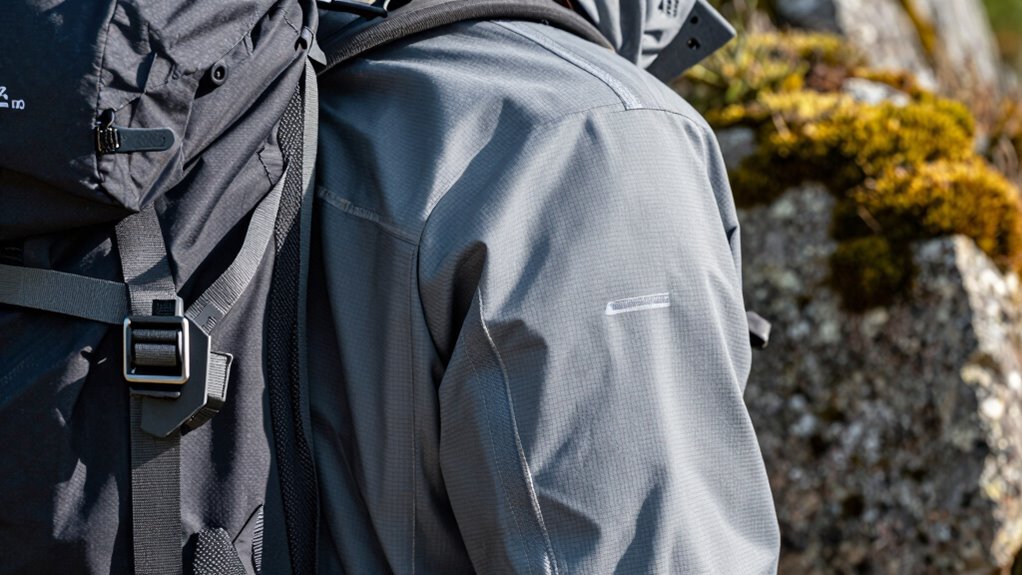

Technical textiles are essential beyond fashion because they enhance safety, durability, and performance in many industries. From construction and transportation to healthcare, these fabrics are engineered to withstand harsh conditions and provide critical functions like protection, filtration, and support. They help reduce costs and improve efficiency, ensuring industry reliability. If you want to discover how these innovative materials impact everyday life and industry safety, keep exploring further.

Get your wardrobe favorites delivered free with Prime
- Fast, free delivery on millions of items
- Prime Video, Amazon Music and more included
- Member-only deals all year
Key Takeaways
- They provide durability and safety in industrial sectors like construction and transportation, reducing maintenance costs.
- Technical textiles enhance medical care through wound dressings, surgical fabrics, and implantable materials that promote healing.
- They incorporate advanced materials to improve strength, flexibility, and performance in critical applications beyond fashion.
- Rigorous testing and quality assurance ensure reliability and safety in demanding industrial and medical environments.
- These textiles support innovations that improve safety, efficiency, and health across various industries.

While many people associate textiles primarily with clothing and fashion, a vast and essential world of technical textiles exists beyond that domain. These materials play critical roles in industries that demand high performance, reliability, and safety. You might not see them at the store, but they’re embedded in everyday life, especially in applications where durability and function take precedence over style. One key area is industrial durability, where textiles are engineered to withstand extreme conditions, resist wear and tear, and maintain integrity over time. You rely on these fabrics in construction, transportation, and manufacturing, where their strength guarantees safety and longevity. For example, heavy-duty conveyor belts, protective covers, and filtration fabrics are all crafted from technical textiles designed to endure harsh environments without degrading. This resilience reduces maintenance costs and downtime, making these textiles indispensable in keeping industries running efficiently. The precise testing and quality assurance of these materials are vital to ensure they meet rigorous industry standards, emphasizing the importance of measurement tools in verifying their performance.
In addition to industrial uses, technical textiles are essential in medical applications. You might not immediately associate fabrics with healthcare, but innovations in textiles have revolutionized medical devices and procedures. Medical textiles include wound dressings, surgical fabrics, and implantable materials, all engineered to promote healing, prevent infection, and provide comfort. These textiles often feature antimicrobial properties and biocompatibility, making them safe for use inside the body or on sensitive skin. Their specialized functions guarantee that patients receive better care with fewer complications. For example, the development of biocompatible materials has significantly improved the safety and effectiveness of medical textiles. Whether it’s a surgical drape that provides a sterile environment or a flexible, durable fabric for prosthetics, these textiles improve outcomes and quality of life.
The significance of technical textiles outside fashion lies in their ability to meet specific technical requirements that ordinary fabrics cannot fulfill. You benefit from their strength, flexibility, and specialized features in ways you might not notice daily but depend on heavily. They’re designed with precision, often incorporating advanced materials like aramids, coated fibers, or composites, which provide enhanced performance. This focus on industrial durability and medical applications demonstrates how technical textiles serve as the backbone of many critical sectors. They enable safer, more efficient work environments, support advanced healthcare solutions, and push the boundaries of what fabrics can do. Recognizing their importance helps you appreciate that textiles are much more than just something to wear—they are essential materials that improve safety, health, and productivity across countless industries.
heavy-duty industrial conveyor belts
As an affiliate, we earn on qualifying purchases.
As an affiliate, we earn on qualifying purchases.
Frequently Asked Questions
How Are Technical Textiles Environmentally Sustainable?
You can see that technical textiles are environmentally sustainable because they often involve eco-friendly manufacturing processes and use biodegradable materials, reducing waste and pollution. These textiles are designed for durability, which means they last longer and need fewer replacements, minimizing resource consumption. By choosing such materials, you help lower your environmental impact, supporting a more sustainable future while benefiting from high-performance, eco-conscious products.
What Industries Heavily Rely on Technical Textiles?
You’ll find technical textiles heavily relied upon across various industries. Industrial applications use them for durability, insulation, and protection, while medical textiles serve in wound care, surgical garments, and implants. You depend on these textiles daily—whether in safety gear, healthcare settings, or even protective equipment. Their versatility guarantees they meet the demanding needs of sectors that prioritize safety, hygiene, and high performance.
How Do Technical Textiles Improve Safety Standards?
Technical textiles improve safety standards by incorporating fire resistant fabrics and high performance fibers that provide better protection. When you wear gear made from these materials, you’re less vulnerable to fire hazards and extreme conditions. They’re designed to withstand harsh environments, ensuring your safety in workplaces like construction sites or firefighting. These textiles also enhance durability and resilience, giving you confidence that your protective gear performs reliably when it matters most.
What Innovations Are Emerging in Technical Textile Development?
You’ll be excited to know that innovations like smart fabrics and nanotechnology integration are transforming technical textiles. These advancements enable fabrics to adapt to environmental changes, monitor health, and even repair themselves. Some smart fabrics can regulate temperature or detect hazards, making them invaluable in safety gear and medical applications. Embracing these innovations means you get more durable, functional textiles that meet evolving needs, enhancing safety, comfort, and efficiency in countless industries.
Are Technical Textiles More Expensive Than Traditional Fabrics?
Technical textiles are generally more expensive than traditional fabrics due to advanced materials and manufacturing processes. When you compare costs, the higher price reflects their durability, specialized functions, and innovation. This investment often offers a luxury appeal, especially in high-performance applications like medical or aerospace industries. While the initial cost may be higher, the long-term benefits and enhanced functionality make technical textiles a valuable choice outside fashion.
Conclusion
You now see how technical textiles are like the quiet heroes of everyday life, working behind the scenes in ways fashion rarely touches. They’re essential in safety gear, medical supplies, and even space exploration, proving their importance beyond just style. As you go about your day, remember these fabrics are like the backbone of innovation—strong, versatile, and crucial. Embrace their role, because without them, many modern advancements wouldn’t be possible.
Halloween Picks
halloween
As an affiliate, we earn on qualifying purchases.