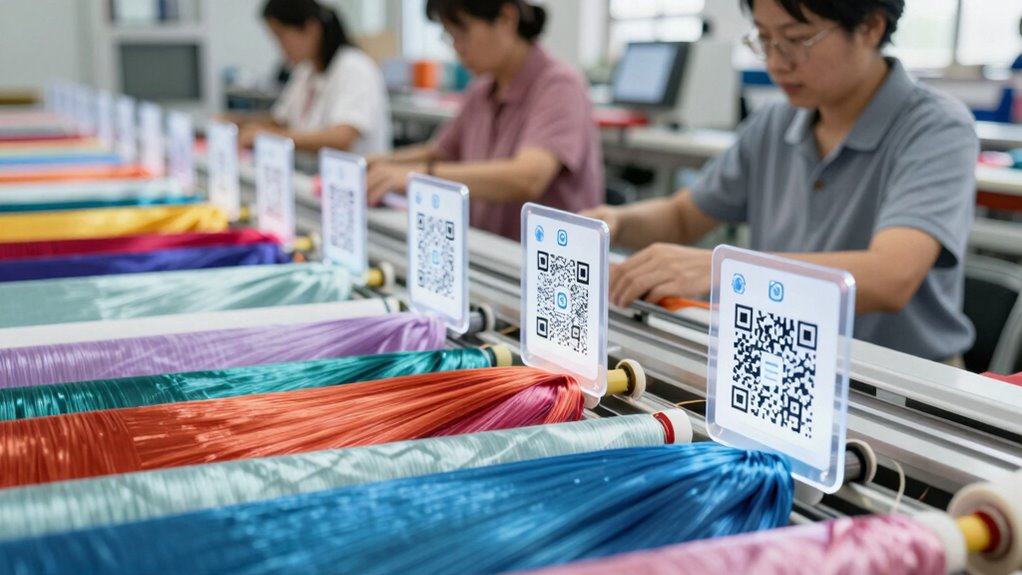

Traceability is becoming part of textile value by allowing you to track every step in clothing production, from fiber to finished product. Brands use advanced technologies like blockchain, QR codes, and RFID tags to guarantee transparency, ethical sourcing, and sustainability. This visibility helps you make more informed, responsible choices and builds trust with brands that prioritize fair labor and eco-friendly practices. Keep exploring to discover how this shift is shaping a more honest and sustainable fashion industry.

Get your wardrobe favorites delivered free with Prime
- Fast, free delivery on millions of items
- Prime Video, Amazon Music and more included
- Member-only deals all year
Key Takeaways
- Advanced tracking technologies like blockchain and RFID enable detailed monitoring of the entire textile supply chain.
- Consumer demand for transparency drives brands to adopt traceability practices for ethical sourcing.
- Traceability enhances quality control, reduces risks, and strengthens brand reputation in the textile industry.
- Industry shifts toward responsible practices promote environmental sustainability and fair labor conditions.
- Transparency tools allow consumers to verify product origins, fostering trust and informed purchasing decisions.
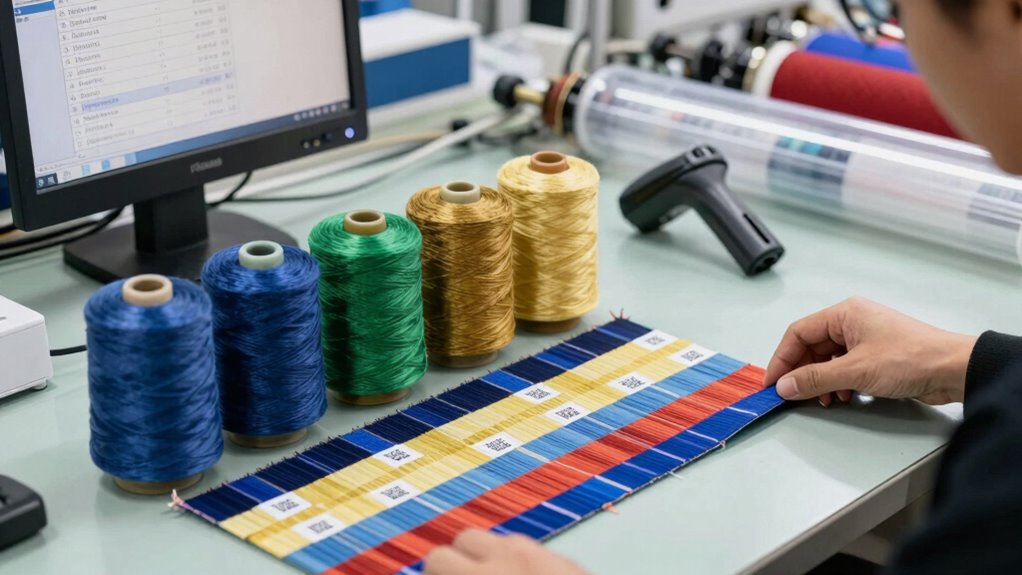
Have you ever wondered how clear the journey of your clothing really is? In today’s world, consumers are increasingly demanding to know where their clothes come from and how they were made. This shift is driving the fashion industry to embrace traceability, making it a crucial part of the textile value chain. At the core of this movement is sustainable sourcing, which guarantees that raw materials are obtained responsibly, respecting environmental and social standards. This focus on transparency begins long before fabrics reach the manufacturing stage, involving careful selection of suppliers who adhere to strict sustainability criteria.
Consumers now demand transparency, driving fashion toward sustainable sourcing and responsible, ethical practices throughout the entire textile journey.
Supply chain transparency is the backbone of traceability in textiles. It involves mapping out every step of the journey—from raw fiber production, through spinning, weaving, dyeing, and finishing, all the way to the finished product on store shelves. By implementing advanced tracking systems, brands can monitor each phase, ensuring that ethical and environmental standards are maintained throughout. This visibility reassures consumers that their clothing isn’t connected to harmful practices like child labor or pollution. It also allows brands to quickly identify and correct issues, fostering trust and loyalty among customers who value honesty and responsibility. Additionally, integrating supply chain transparency with modern technology helps verify that these standards are consistently upheld across the entire process. Incorporating innovative tools from the home theatre industry, such as high-quality projectors with precise calibration and advanced imaging, can enhance the visualization and management of supply chain data, making traceability even more effective. A growing number of brands are now recognizing that traceability can also serve as a competitive advantage in a crowded marketplace.
As traceability becomes more integrated into the textile value, technology plays a key role. Blockchain, for example, offers a secure and immutable record of every transaction and movement along the supply chain. QR codes and RFID tags enable consumers to access detailed information about a product’s journey with a simple scan. This level of transparency empowers you to make informed choices, knowing exactly what you’re buying and supporting brands committed to sustainable practices. Furthermore, it encourages manufacturers and suppliers to uphold higher standards, knowing their processes are under scrutiny.
Incorporating traceability into the textile value isn’t just about marketing; it’s a strategic shift that benefits everyone involved. For brands, it leads to better quality control, reduced risks, and a stronger reputation. For consumers, it means having the power to select products that align with personal values. For the environment and workers, it promotes responsible practices that can lead to positive change across the entire industry. Ultimately, traceability in textiles is transforming how clothes are made, purchased, and appreciated—making the entire journey more honest, sustainable, and transparent.
textile supply chain traceability tools
As an affiliate, we earn on qualifying purchases.
As an affiliate, we earn on qualifying purchases.
Frequently Asked Questions
How Does Traceability Impact Consumer Trust in Textiles?
Traceability boosts your trust in textiles by ensuring transparent, sustainable sourcing, and ethical labeling. When brands provide clear information about where materials come from and how they’re made, you feel confident in your choices. It allows you to support companies committed to ethical practices, knowing they prioritize environmental and social responsibility. This transparency reassures you that the products you buy align with your values, fostering loyalty and confidence in your purchases.
What Technologies Are Most Effective for Textile Traceability?
You might think traditional methods suffice, but blockchain innovation and RFID integration are game-changers for textile traceability. Blockchain offers secure, transparent records, ensuring authenticity and ethical sourcing. RFID tags enable real-time tracking of garments throughout the supply chain, reducing fraud and increasing accountability. These technologies work together to create a reliable, efficient system, giving you confidence in the origin and journey of your textiles, ultimately fostering trust and sustainability.
How Are Small Producers Implementing Traceability Systems?
Small producers implement traceability by focusing on local sourcing and artisanal verification, ensuring transparency in their supply chains. They often participate in certification programs that validate ethical and sustainable practices, making their products more appealing to conscious consumers. Using simple, affordable technologies like digital records or QR codes, they track and share their process, building trust and authenticity. This approach helps small-scale producers compete and thrive in a growing transparent textile market.
What Are the Costs Associated With Implementing Traceability?
You might be surprised, but implementing traceability costs vary widely. A thorough cost analysis includes initial investments in technology and ongoing compliance costs to meet standards. While some small producers find these expenses manageable, others face challenges adapting systems. You need to weigh the benefits of transparency against these costs, ensuring your traceability efforts align with your budget and compliance requirements, ultimately adding value to your textile products.
How Does Traceability Influence Textile Supply Chain Transparency?
Traceability enhances textile supply chain transparency by providing clear visibility into each step, from sustainable sourcing to ethical practices. You can confidently verify the origins of materials, ensuring suppliers meet your standards. This transparency not only builds trust with consumers but also promotes responsible production. As a result, you’re better equipped to make informed decisions, support sustainability efforts, and uphold ethical practices throughout your supply chain, strengthening your brand’s reputation.
Conclusion
You might think traceability is just a trend, but it’s actually transforming the textile industry from the inside out. As consumers demand transparency, companies that embrace traceability aren’t just responding—they’re leading the way. The theory that traceability guarantees ethical practices and quality control proves true, fostering trust and sustainability. In this evolving landscape, integrating traceability isn’t optional; it’s essential for staying competitive and making a real impact on the future of textiles.
Halloween Picks
halloween
As an affiliate, we earn on qualifying purchases.