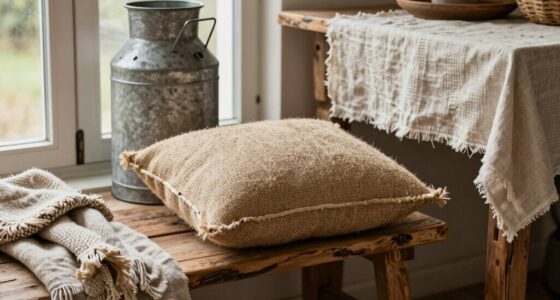
Choose a winter scarf, style it with your coat, and check that it stays warm and comfortable through a short walk. This guide is for beginners who want a practical way to coordinate color, fabric, and wrapping style without buying special tools. Allow 10-20 minutes to try a few options at home.

Get your wardrobe favorites delivered free with Prime
- Fast, free delivery on millions of items
- Prime Video, Amazon Music and more included
- Member-only deals all year

FURTALK Women’s Oversized Plaid Tassel Scarf
- ✔ Material: 100% polyester
- ✔ Dimensions: 78.7 x 25.6 inches
- ✔ Pattern: Plaid
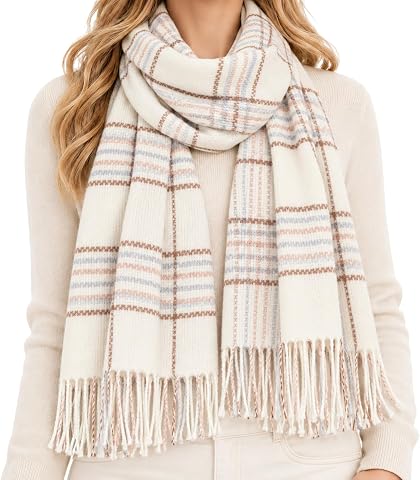
Women’s Oversized Plaid Winter Scarf with Tassels
- ✔ Material: Polyester blend
- ✔ Dimensions: 79 x 26 inches, including tassels
- ✔ Pattern: Plaid/checkered

Women’s Long Plaid Winter Scarf and Shawl
- ✔ Material: Soft fabric; cashmere-like feel, fiber content unspecified
- ✔ Length: 73 inches (185 cm)
- ✔ Width: 15.75 inches (40 cm)
Difficulty: Beginner | Time: 10-20 minutes
What You’ll Need
Tools & Materials:
- A winter coat or jacket
- One or more scarves
- A mirror
Knowledge:
- Basic familiarity with the weather you will be dressing for
- No knotting experience required
Start with the coat and scarf you expect to wear together. Check the weather and any care label before choosing a fabric. If wool or other fibers irritate your skin, use a soft lining or choose a smooth alternative.
FURTALK Women’s Oversized Plaid Tassel Scarf
For a winter scarf that can make a coat feel more finished while adding meaningful coverage, the FURTALK oversized plaid scarf is the most complete choice in this group. Its 78.7-by-25.6-inch shape is broad enough to wear around the neck or open as a shawl, wrap, or cape, giving it more outfit range than the narrower 73-inch option. The dense brushed polyester weave is specifically described as warm and resistant to pilling, which makes it the clearest pick when a cozy, substantial appearance matters.The classic plaid and tassel fringe bring a familiar winter look that works especially well over simple coats and sweaters. Compared with the second oversized scarf, FURTALK provides more concrete material and construction details, including 100% polyester and an AZO-free claim. That makes the choice easier to assess, though it does not make the fabric more breathable: the polyester may feel warm in milder weather. Hand-wash-only care is another real compromise, especially for a piece intended for regular winter use. We would choose it for broad styling versatility and stated weave density, while buyers prioritizing easy laundering or natural-fiber breathability should look elsewhere.
Pros:
- Wide shape supports scarf, shawl, wrap, and cape styling.
- Dense brushed weave is described as warm and resistant to pilling.
- Classic plaid and tassel fringe add a noticeable winter accent.
- AZO-free materials are specified.
Cons:
- Hand washing takes more care than machine-washable alternatives.
- The 100% polyester fabric may feel less breathable in mild weather.
Best for: We recommend it for someone who wants one plaid accessory to wear as a neck scarf, broad shawl, or coat-covering wrap.
Not ideal for: Skip it if we need machine-washable care, natural-fiber breathability, or a slim scarf that adds little bulk.
Bottom line: We’d choose FURTALK when winter coverage and styling range matter more than easy care or natural-fiber airflow.
“We’d choose FURTALK when winter coverage and styling range matter more than easy care or natural-fiber airflow.”
Women’s Oversized Plaid Winter Scarf with Tassels
This scarf is a close alternative to FURTALK for shoppers drawn to the familiar large plaid wrap with tassel ends. At 79 by 26 inches, it is fractionally larger in both directions than our top pick, so its appeal is much the same: it can cover the shoulders as a shawl or wrap, or gather around the neck for a fuller look. The brushed finish is presented as soft and warm, making it a straightforward companion to autumn and winter coats.Its difference from FURTALK is less about silhouette than about what we can establish from the details. The material is listed as a polyester blend, with no fiber breakdown or dense-weave claim, while FURTALK specifies 100% polyester and describes its weave as resistant to pilling. We therefore place this option second: it preserves the key oversized style, but gives us less information about construction. The broad dimensions may also feel like extra volume if we prefer a neat, close-fitting scarf. And, like the other two picks, it requires hand washing, so it does not solve the care inconvenience shared across the lineup.
Pros:
- Generous 79-by-26-inch dimensions suit wrap and shawl styling.
- Brushed fabric is described as soft and warm.
- Plaid check pattern and tassels offer an easy-to-pair winter look.
Cons:
- Polyester blend is not broken down by fiber content.
- Hand-wash-only care may be inconvenient.
- Its oversized shape may overwhelm buyers who prefer a lighter profile.
Best for: We recommend it for someone who wants an oversized plaid scarf and values a soft brushed finish and generous wrap coverage.
Not ideal for: Skip it if we want detailed fiber composition, stated pilling resistance, machine washing, or a compact neck layer.
Bottom line: We’d pick this when a classic oversized plaid look is the priority and the less detailed fabric specification is acceptable.
“We’d pick this when a classic oversized plaid look is the priority and the less detailed fabric specification is acceptable.”
Women’s Long Plaid Winter Scarf and Shawl
Where the first two options lean into width and wraparound volume, this 73-inch plaid scarf takes a more streamlined approach. At 15.75 inches wide and described as medium weight, it can serve as a scarf, stole, or shawl without the same broad blanket-like coverage. That shape makes it the most appealing pick for layering over outfits when we want plaid texture without building a large fold of fabric at the neck. Its stated travel-blanket use also gives it a practical role beyond everyday styling.We rank it third for winter use because the product details explicitly caution that its medium thickness may not be warm enough for very cold conditions. The oversized FURTALK and second plaid scarf offer more width for shoulder coverage, while this option is better suited to milder days, indoor layering, or travel. Its fabric is described as having a cashmere-like feel, but no specific fiber composition is supplied, so we should not assume it contains cashmere or expect the performance of a named natural fiber. Care is also delicate: hand wash gently and lay flat to dry. Choose this one for a softer, less bulky silhouette; skip it as a sole cold-weather layer if warmth is the main concern.
Pros:
- Narrower profile layers more easily than the two oversized options.
- Can be styled as a scarf, stole, shawl, wrap, or travel blanket.
- Medium weight can suit transitional weather and indoor use.
Cons:
- Medium thickness may not provide enough warmth in very cold conditions.
- Fiber composition is not specified despite the cashmere-like feel description.
- Requires gentle hand washing and flat drying.
Best for: We recommend it for someone who wants a narrower plaid layer for travel, indoor warmth, or milder winter days.
Not ideal for: Skip it if we need substantial coverage for severe cold or want clear fiber-content details and low-maintenance care.
Bottom line: We’d choose this scarf for a lighter, travel-friendly plaid layer, but prefer either oversized pick for colder days and broader coverage.
“We’d choose this scarf for a lighter, travel-friendly plaid layer, but prefer either oversized pick for colder days and broader coverage.”
As an Amazon Associate we earn from qualifying purchases.
Before You Start
Decide how much warmth you need. A long, thick scarf can add insulation in cold wind, while a lighter scarf may feel better indoors or on a milder day. Keep loose ends clear of bags, bike wheels, and other moving parts. Avoid wrapping so tightly that you cannot turn your head or breathe comfortably.
Step-by-Step Instructions
Step 1: Choose the scarf for the weather
Check the forecast, then select a scarf with enough coverage for the temperature and wind. Use a thicker knit or dense woven fabric for colder conditions; choose a lighter fabric when you will spend much of the day indoors. If you walk or commute outside, prioritize a scarf that covers the front and sides of your neck.
Tip:Read the care label before wearing a new scarf, especially if it may get wet or needs special washing.
Check: The scarf feels warm enough outside without making you overheat when you enter a heated room.
Step 2: Match color and pattern to your outfit
Put on your coat, then hold the scarf against it in front of a mirror. For an easy pairing, choose a solid scarf that repeats a color already in your outfit, or use a neutral shade such as navy, gray, camel, or black. If your coat has a strong pattern, try a plain scarf; if the coat is plain, a checked or striped scarf can add interest.
Tip:Compare the scarf with the coat in daylight when possible, since indoor lighting can shift how colors appear.
Check: The scarf stands out enough to be visible, and its colors do not compete with the coat’s pattern.
Step 3: Check the scarf’s length and bulk
Hold the scarf by both ends and drape its center behind your neck. Confirm that the ends reach the length you need for your chosen wrap. For a bulky scarf, plan a loose fold or simple drape; for a thinner scarf, you can wrap it more than once without crowding your collar.
Tip:If the scarf bunches under your coat collar, loosen the wrap or let more fabric sit over the coat.
Check: You can bring the ends around your neck without pulling the fabric tight or creating a bulky lump.
Step 4: Choose a wrapping style
For a quick drape, place the center behind your neck and let both ends hang evenly in front. For added coverage, wrap one end once around your neck and leave both ends in front. For a neater finish, fold the scarf in half, place the folded loop at your chest, pass the ends through it, and adjust the loop until it sits comfortably.
Tip:Use the looped style with a scarf long enough to pass through easily. Do not force a thick scarf through a small loop.
Check: The scarf stays in place when you move your head, and the fabric covers the area you want to keep warm.
Step 5: Adjust the scarf over your coat
Settle the scarf so it lies smoothly against your neck, then arrange the ends over or inside the coat depending on the weather and look you want. Tuck the ends into your coat when wind protection matters. Leave them visible over the coat when you want the scarf’s color or pattern to show.
Tip:Keep enough slack to turn your head freely. Check that the coat zipper or buttons do not catch the scarf.
Check: The fabric stays secure, your collar closes as intended, and you can look from side to side comfortably.
Step 6: Test the fit before heading out
Walk around for a minute, turn your head in both directions, and lift your arms as you would while carrying a bag. Reposition the scarf if it slips, presses on your throat, or catches on a strap. If you will move through crowds or cycle, shorten or tuck away dangling ends.
Tip:Recheck the wrap after removing or putting on a coat; the scarf may shift when the collar moves.
Check: The scarf remains comfortable and secure during normal movement, with no loose end near a moving wheel or machinery.
Common Mistakes to Avoid
- Choosing a scarf only for its color, even when it is too thin for the weather. — Check temperature and wind first, then choose a fabric and coverage level that fit the conditions.
- Wrapping the scarf so tightly that it restricts head movement or feels uncomfortable. — Leave room at the neck and test turning your head before going outside.
- Pairing several bold patterns that compete with one another. — Let either the scarf or the coat carry the main pattern; keep the other piece simpler.
- Leaving long ends loose around a bag strap or moving equipment. — Tuck the ends into your coat or shorten the wrap when commuting or cycling.
Troubleshooting
Problem: The scarf keeps slipping off your shoulders.
Solution: Try the looped style or wrap one end around your neck. If the fabric is very smooth, tuck the ends into the coat or choose a less slippery scarf.
Problem: The scarf feels bulky under the coat.
Solution: Use a single drape or one loose wrap, and place more of the scarf outside the collar. A thinner scarf may fit better under a close-fitting coat.
Problem: The scarf irritates your skin.
Solution: Stop wearing it directly against your neck. Layer a soft collar or choose a smooth, skin-friendly fabric, and check the care label for washing instructions.
Problem: The scarf looks mismatched with the coat.
Solution: Try a neutral solid color, or choose a scarf that picks up one color from your coat or another visible clothing item.
What Success Looks Like
Your scarf provides the coverage you need for the weather, coordinates with the coat, and stays in place while you walk and turn your head. It does not press on your throat, bunch uncomfortably under the collar, irritate your skin, or leave long ends near moving equipment.
Next Steps
After wearing the scarf, follow its care label and let it dry fully before storing it. If you use the scarf often, keep it with the coat you wear most so the pairing is easy to repeat. Recheck the fabric and wrap when the weather changes, or select a lighter scarf for indoor-heavy days.
Frequently Asked Questions
How do I make a winter scarf look stylish with a plain coat?
Use the scarf to add one clear point of color or pattern. A checked scarf can add texture to a solid coat, while a bright solid scarf can make a dark neutral coat more noticeable. Keep other accessories simple if the scarf has a strong pattern.
Should I tuck the scarf inside or wear it over my coat?
Tuck it inside the coat when you need more wind protection and the coat has room. Wear it over the coat when you want the scarf to show or the collar is too close-fitting. In either position, keep it clear of zippers and straps.
How can I wear a thick scarf without looking bulky?
Choose a simple drape or one loose wrap instead of making several folds. Let the scarf sit over the coat collar, and avoid forcing excess fabric beneath a fitted jacket.
How long should a winter scarf be?
It should be long enough to reach around your neck in the style you plan to wear, with ends that can be tucked or secured. Try the scarf with your coat before going out; coat collars and scarf thickness affect how much length feels comfortable.
How do I keep scarf ends safe while cycling?
Tuck both ends securely inside a zipped coat or use a short, close-fitting wrap. Check that no fabric hangs near the bicycle wheels, chain, or other moving parts before riding.