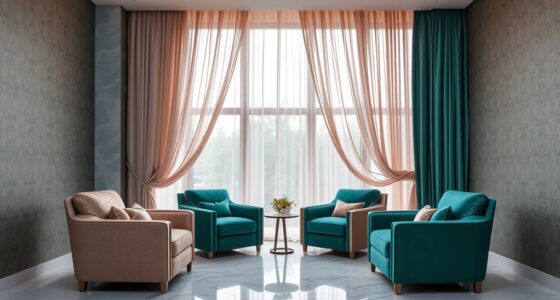
Linen for home textiles combines timeless beauty with eco-friendly qualities, making it perfect for bedding, curtains, and tableware. Its durability guarantees items last for years, while its breathable, moisture-wicking nature keeps you comfortable. Linen develops a charming patina over time and offers natural antibacterial benefits. Its versatile style adds elegance to any decor. To discover how you can incorporate this sustainable material into your home, there’s much more to explore.

Get your wardrobe favorites delivered free — and shop member deals
- Fast, free delivery on millions of items
- Access to Prime Big Deal Days deals on October 6–7
- Prime Video, Amazon Music and more included
Key Takeaways
- Linen offers a durable, breathable fabric ideal for bedding, curtains, and tableware, ensuring longevity and comfort.
- Its natural antibacterial properties promote hygiene in home textiles like pillowcases and tablecloths.
- Linen’s timeless aesthetic and ability to develop a soft patina enhance home decor with elegance.
- Sustainable and eco-friendly, linen production minimizes environmental impact and supports eco-conscious living.
- Linen’s moisture-wicking qualities help maintain a fresh, cool environment in bedding and curtains.
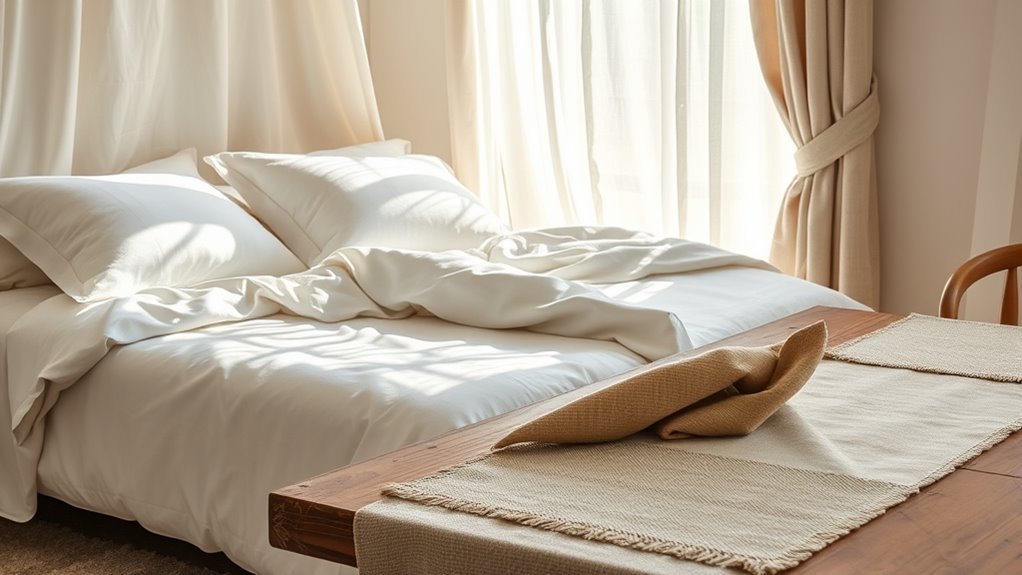
Have you ever wondered why linen remains a popular choice for home textiles? It’s not just because of its timeless appeal but also due to its rich history and eco-friendly qualities. Linen has been used for thousands of years, and its historical significance runs deep in many cultures. From ancient Egypt to modern homes, linen has symbolized purity, luxury, and durability. Today, its popularity endures because it aligns with contemporary values of sustainability and natural living. The production of linen focuses heavily on sustainable practices, making it an eco-conscious choice for your home. Unlike synthetic fabrics, linen is derived from flax plants, which require minimal water, pesticides, and fertilizers. This sustainable production process reduces environmental impact, preserving natural resources and supporting eco-friendly farming. Additionally, flax plants help improve soil health, making linen a truly sustainable textile. When you choose linen for your home, you’re not only opting for a material with a storied past but also one that respects the planet. Its durability means your linen items—whether bedding, curtains, or tableware—can last for years, reducing the need for frequent replacements and waste. The natural fibers of linen are breathable and moisture-wicking, making it an ideal fabric for bedding. Imagine drifting off to sleep on cool, crisp sheets that become softer with each wash. Linen bedding also offers a timeless aesthetic that pairs well with various decor styles, from rustic to modern minimalism. Curtains made from linen add texture and elegance to your space while providing excellent light filtering. They hang beautifully, draping softly and aging gracefully, developing a charming patina over time. Linen curtains can help create a calm, inviting atmosphere in any room. For tableware, linen tablecloths and napkins introduce a touch of sophistication and natural beauty to your dining experiences. Their tactile quality adds a refined feel to everyday meals or special occasions. Plus, linen’s natural antibacterial properties make it a hygienic choice for table linens, helping you maintain a cleaner, safer dining environment. Furthermore, recognizing and identifying angel numbers and their meanings can inspire a mindful approach to choosing sustainable and meaningful home textiles. Overall, linen’s enduring appeal comes from its combination of historical significance, sustainable production, and versatile applications. It’s a fabric that connects you to centuries of craftsmanship while supporting eco-conscious practices. When you select linen for your home textiles, you’re embracing a material that’s beautiful, durable, and kind to the environment—truly a timeless choice for modern living.
As an affiliate, we earn on qualifying purchases.
Frequently Asked Questions
How Does Linen Compare to Cotton for Home Textiles?
You’ll find linen more durable than cotton for home textiles, especially with fiber durability over time. It has a distinct, textured feel that adds elegance and character to your bedding, curtains, or tableware. Cotton, while softer initially, tends to wear out faster and offers a smoother texture. If you want a natural, long-lasting option with a unique feel, linen is the better choice for your home.
Can Linen Be Used Outdoors for Home Decor?
Yes, you can use linen outdoors for home decor, but keep in mind its outdoor durability and weather resistance are limited. Linen isn’t naturally weatherproof, so prolonged exposure to sun, rain, or humidity can cause fading, staining, or deterioration. To protect your linen decor outdoors, consider applying a weather-resistant sealant or use it temporarily in covered areas. Regular maintenance helps preserve its appearance and prolong its lifespan.
What Are the Best Care Tips to Prevent Linen Wrinkles?
Don’t let wrinkles catch you off guard—it’s all about wrinkle prevention and care best practices. To keep linen looking crisp, iron or steam it while slightly damp, and hang it properly to maintain shape. Avoid overloading the laundry, and shake out the fabric before drying. Using a medium heat setting and removing linen promptly from the dryer also helps. These simple steps help you stay ahead of wrinkles and keep your linen fresh.
Is Linen Suitable for Allergy-Sensitive Households?
Yes, linen is suitable for allergy-sensitive households. Its hypoallergenic properties help reduce allergy symptoms, making it an excellent choice. Linen naturally resists dust mites, which are common allergens, and its breathable fibers help prevent mold and mildew buildup. By choosing linen, you create a healthier environment for allergy sufferers, ensuring comfort and reducing allergic reactions without sacrificing style or durability.
How Environmentally Sustainable Is Linen Production?
Linen production is quite environmentally sustainable because it relies on sustainable farming practices, which reduce water and pesticide use. Additionally, linen often uses eco-friendly dyes that minimize chemical impact on the environment. By choosing linen, you support eco-conscious methods, making it a greener option for home textiles. This sustainable approach benefits the planet and guarantees you get high-quality, natural fabrics for your home.
Conclusion
So, next time you’re lounging on your linen bedding or admiring those elegant curtains, remember—you’re practically living in luxury made simple. Who knew that plain old linen could elevate your home while still being so effortlessly practical? It’s almost funny how something so humble can make your space feel so refined. So go ahead, indulge in linen—because, after all, who doesn’t want a touch of elegance that’s as easy as it is underrated?
Fall Picks
fall essentials
As an affiliate, we earn on qualifying purchases.