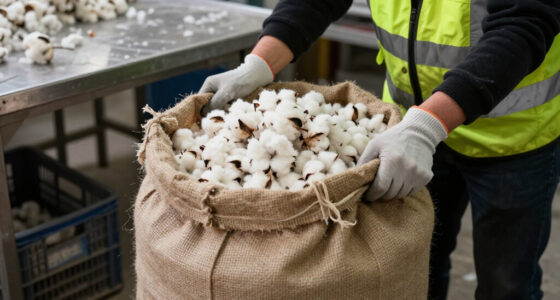
To embrace sustainable fashion DIY, start by upcycling your old garments into new, stylish pieces that reduce textile waste. Transform worn-out T-shirts into tote bags or turn outdated dresses into modern tops using simple sewing techniques. Experiment with eco-friendly dyes made from natural ingredients like turmeric or beetroot to add unique colors. By reusing fabrics and practicing eco-conscious dyeing, you help the environment while creating one-of-a-kind clothing. Keep exploring, and you’ll discover even more creative ways to make sustainable fashion your own.

Get your wardrobe favorites delivered free — and shop member deals
- Fast, free delivery on millions of items
- Access to Prime Big Deal Days deals on October 6–7
- Prime Video, Amazon Music and more included
Key Takeaways
- Transform old garments into new accessories or clothing items through simple sewing and embellishments.
- Use natural dyes like turmeric or beetroot to eco-friendly color old fabrics.
- Source secondhand clothes to promote textile recycling and reduce waste.
- Incorporate creative patchwork or embroidery to personalize upcycled garments.
- Support sustainable fashion by practicing DIY projects that save money and lessen environmental impact.
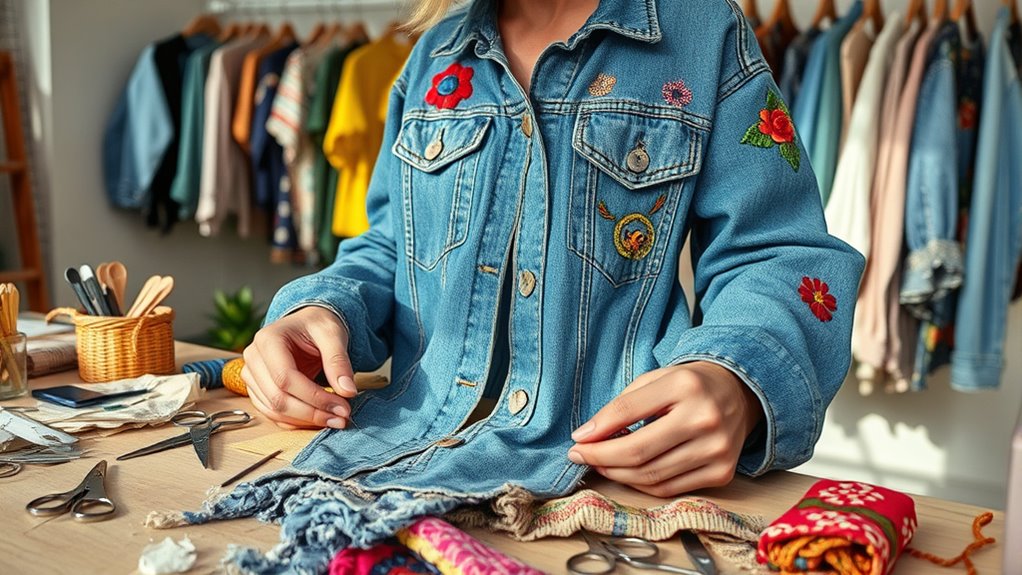
Ever wondered how you can make your wardrobe more eco-friendly? One of the simplest ways is by embracing sustainable fashion DIY, especially through upcycling old garments. Instead of tossing out worn-out or outdated clothes, you can transform them into fresh, stylish pieces. This approach not only reduces textile waste but also keeps unwanted items out of landfills, supporting a more circular fashion economy. When you start upcycling, you participate in textile recycling, giving new life to fabrics that might otherwise be discarded. Plus, you prevent the environmental impact of producing new textiles, which often consumes significant water, energy, and chemicals.
Transform your wardrobe with DIY upcycling to reduce waste and support a circular fashion economy.
A key aspect of making your DIY projects truly eco-friendly involves choosing eco friendly dyes. Conventional dyes can contain harmful chemicals that pollute waterways and harm ecosystems. By opting for natural or plant-based dyes, you diminish environmental harm and create unique, personalized colors for your garments. These dyes often come from items like turmeric, beetroot, or tea, which are safer to handle and biodegradable. Combining textile recycling with eco friendly dyes allows you to craft beautiful, sustainable clothing that aligns with your values. You can experiment with different shades and techniques, giving your upcycled pieces a truly one-of-a-kind look.
Getting started with upcycling can be as simple as repurposing a worn-out t-shirt into a tote bag or transforming an outdated dress into a modern top. Use basic sewing skills to cut, stitch, and embellish your garments, adding details like embroidery or fabric patches for extra flair. When selecting fabrics for your projects, consider sourcing secondhand clothes from thrift stores or recycling centers. This ensures your materials are already part of the textile recycling chain, reducing the demand for new production. If you want to go further, you might even explore natural dyeing methods at home, boiling fabric with eco friendly dyes to achieve the perfect hue.
Additionally, exploring the various sustainable fashion practices, such as upcycling and eco-friendly dyeing, can help you develop a more environmentally conscious wardrobe. Throughout your DIY journey, remember that the goal is to create stylish, sustainable pieces that reflect your personality. Upcycling old garments not only saves money but also helps you develop your creativity and reduce your environmental footprint. By focusing on textile recycling and using eco friendly dyes, you contribute to a cleaner planet while crafting clothes that are truly unique. Every small project counts, and with a little effort, you can turn forgotten or outdated clothing into trendy, eco-conscious fashion statements. This approach proves that sustainable fashion doesn’t have to be complicated or expensive — it starts with your own wardrobe and a willingness to get creative.
Frequently Asked Questions
What Tools Are Best for Beginner Upcycling Projects?
For beginner upcycling projects, you should start with basic tools like fabric scissors, a seam ripper, and pins. These tools help you master simple upcycling techniques while working with sustainable materials. A sewing needle and thread are also essential for small repairs or embellishments. Using these tools makes your upcycling process easier and more enjoyable, allowing you to experiment with creative ideas and give new life to old garments sustainably.
How Can I Upcycle Without Sewing Skills?
Sure, you can upcycle without sewing skills—who needs stitches when fabric painting and embellishment techniques exist? Grab some fabric paint to create cool designs or add shiny patches and buttons for instant flair. No sewing machine required; just a steady hand and a splash of creativity! Soon, you’ll be transforming old clothes into trendy masterpieces, proving that upcycling is as easy as splattering paint and sticking on some bling.
Are There Eco-Friendly Dyes Suitable for DIY Projects?
Yes, you can use eco-friendly dyes like natural dyes and plant-based dyes for your DIY projects. These dyes are made from flowers, vegetables, and herbs, making them safe for the environment and your skin. You simply soak your fabric in the dye bath, which you can prepare at home. Natural dyes offer beautiful, earthy colors, perfect for upcycling old garments while reducing chemical waste.
How Do I Choose Which Garments to Upcycle?
Choosing garments to upcycle is like finding hidden treasures in a sea of fabric. You should focus on fabric selection and garment condition, opting for sturdy, natural fibers like cotton or linen that are in good shape. Avoid items with heavy wear, stains, or tears. Look for pieces that inspire you, as your enthusiasm will transform old clothes into stunning new creations, making every project a masterpiece.
What Are Some Budget-Friendly Upcycling Ideas?
You can try budget-friendly upcycling ideas like recycling fabrics from old t-shirts or jeans to create new accessories or patches. Add creative embellishments such as fabric paint, embroidery, or buttons to give your pieces a fresh look without spending much. Repurposing worn-out garments into tote bags or pillow covers is also cost-effective and eco-friendly. These simple projects save money and help you make unique, sustainable fashion statements.
Conclusion
By upcycling your old garments, you’re not just saving money—you’re giving them a second chance and reducing waste. Think of your wardrobe like a garden: with a little creativity, you can turn tired plants into vibrant blooms. I once transformed an old t-shirt into a tote, and it became my favorite eco-friendly accessory. Every small act counts. So, get inspired and start your own sustainable fashion journey today—your closet, and the planet, will thank you.
Fall Picks
fall essentials
As an affiliate, we earn on qualifying purchases.