
TL;DR

Get your wardrobe favorites delivered free with Prime
- Fast, free delivery on millions of items
- Prime Video, Amazon Music and more included
- Member-only deals all year
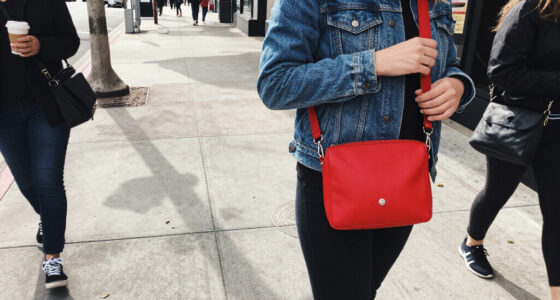
Harper’s Bazaar’s review of fall 2026 runway collections identifies seven trends built around unexpected pairings and altered proportions. They include knits styled for evening, tuxedo pieces worn by day, dressed-up plaid, pops of red and drop-waist dresses. These are editorial interpretations of runway collections, not evidence of how widely the looks will be adopted.
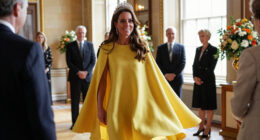
Harper’s Bazaar’s review of the fall 2026 runway collections identifies seven fashion trends that recast familiar pieces through unexpected styling, including knitwear for evening, tuxedo dressing for daytime and plaid in elevated fabrics. The report also points to red accents, low-slung dress waists and menswear-inspired waist accessories, offering readers a snapshot of the editors’ reading of the season’s shows.
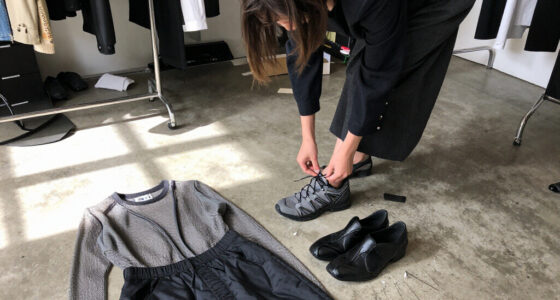
The report’s central idea is contrast rather than a single new garment: sweaters appear with satin dresses, tuxedo elements move into daytime outfits, and traditionally casual plaid is presented in chiffon and silk. Harper’s Bazaar describes the collections as mixing classic dressing with experimental styling, while noting that the looks range from subtle adjustments to more conspicuous combinations.
Its seven trend categories are waist-focused styling, dressed-up plaid, “undone” ladylike dressing, pops of red, evening knits, daytime tuxedo dressing and drop-waist dresses. The examples cited include cummerbunds and opera scarves at the waist; plaid dresses, skirts and evening accessories; and dresses with lowered waistlines. For the more relaxed ladylike look, the report points to sweaters or trench coats carried over the arm, gloves held in hand and deliberately imperfect details.
The piece names designers and labels associated with the runway examples, including Prada, Chloé, Celine, Khaite, Chanel, Dries Van Noten and Simone Rocha. These are examples selected by the publication, not a complete survey of every collection. Harper’s Bazaar also includes shopping suggestions and discloses that it may earn commission from products readers buy; its editorial trend assessment should be understood separately from those commercial links.
How Runway Styling Changes Familiar Pieces
The trends matter to readers less as a fixed shopping list than as ways to restyle clothes they may already own. A red belt, scarf at the waist or sweater layered over a dress can change an outfit without requiring a full wardrobe overhaul. The report’s examples also show how familiar categories—tailoring, knitwear and plaid—can move between settings when their materials or pairings change.
There are practical limits to what the runway review establishes. It records what Harper’s Bazaar’s editor sees in the collections; it does not show that these looks will become widespread, suit every wearer or be available at every price point. Readers can treat the ideas as inspiration and adapt them to personal preference, climate and budget rather than as rules for dressing.
As an affiliate, we earn on qualifying purchases.
Seven Trends From the Fall Shows
The article presents its findings as a breakdown of seven key trends from fall 2026 shows, rather than a report about a single designer announcement or industry decision. It traces waist emphasis across seasons: the source says spring styling featured boho scarves tied around the middle, while fall examples draw more on menswear details such as cummerbunds. It also describes the fall waistline as dropping on dresses shown by labels including Simone Rocha, Tory Burch and Chanel.
Other examples make the report’s “subverting expectations” framing more concrete. Plaid appears in brighter colors and evening fabrics rather than only in familiar autumnal styling. Knitwear is paired with satin or dressed-up separates, while tuxedo shirts and jackets are proposed for daytime outfits. The report attributes these observations to the runway collections and its editorial selection; it does not provide sales data, a consumer survey or a measure of how common each trend is across the industry.
What the Runway Review Cannot Establish
The supplied report does not specify its publication date, identify the full schedule of shows covered or explain how it selected these seven trends. It also provides no market data or forecast showing whether the looks will reach stores, influence broader dressing habits or persist through the season. Its claims are best read as editorial observations about the collections cited.
Availability and price are also unclear from the source. Some styling suggestions refer to specific designers or products, but the article does not establish whether comparable pieces will be widely sold. Fit and sizing vary by brand, and readers would need to check individual product details rather than infer fit from runway imagery.
From Runway Ideas to Retail
The next step for readers is to see how fall 2026 runway ideas translate into retail collections and street styling. The supplied source does not give release dates, sales projections or a schedule for further coverage, so those developments cannot be confirmed here. As products become available, shoppers can compare materials, prices and sizing, or try the styling concepts with pieces already in their wardrobes.
For now, the report’s clearest takeaway is its emphasis on contrasts in styling and proportion: evening with knitwear, daytime with tuxedo details, and established patterns or silhouettes with a changed finish. Whether any one trend gains wider traction remains to be seen.
Key Questions
What are the fall 2026 trends identified in the report?
Harper’s Bazaar lists waist-focused styling, dressed-up plaid, undone ladylike dressing, pops of red, evening knits, daytime tuxedo dressing and drop-waist dresses.
What does “subverting expectations” mean in this report?
It refers to styling familiar clothes in less expected ways, such as wearing knitwear with eveningwear, bringing tuxedo details into daytime outfits or using silk and chiffon to dress up plaid.
Does the report prove these trends will be popular?
No. It offers an editorial reading of runway collections, not sales figures, a consumer survey or a forecast of how widely the trends will be adopted.
Can readers try the trends without buying a full outfit?
The report suggests small styling changes, such as adding a red accessory or tying a scarf at the waist. These are editorial suggestions; readers can adapt them to their own clothes, preferences and budgets.
Source: rss
Fall Picks
fall essentials
As an affiliate, we earn on qualifying purchases.