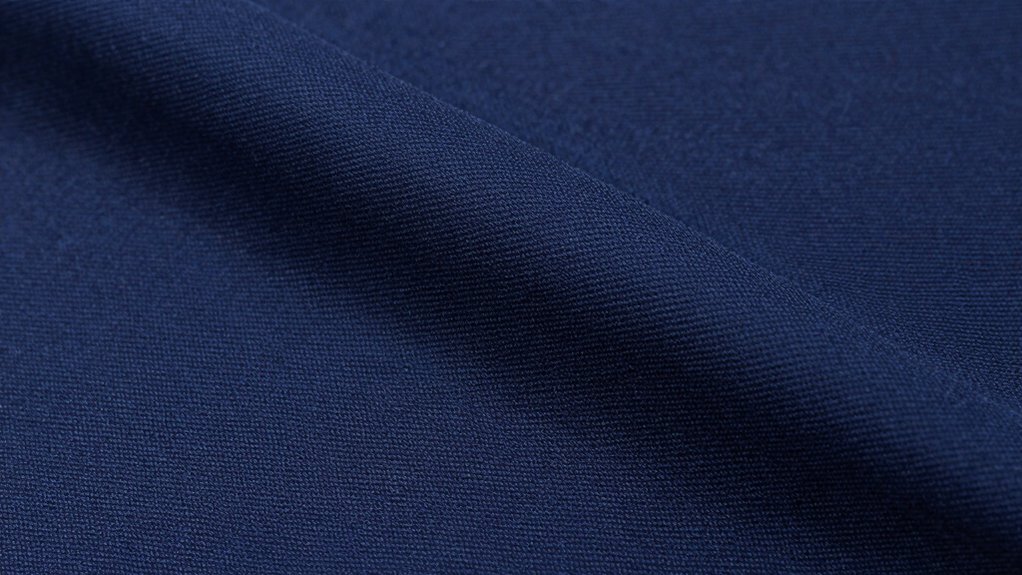

Gabardine fabric is a tightly woven, durable material known for its water resistance and sleek appearance. Developed by Thomas Burberry in the late 19th century, it’s made using a specific twill weave that creates diagonal lines, making it strong and resistant to wear. Its lightweight yet resilient quality makes it ideal for suits, coats, and outdoor wear. If you stay with us, you’ll discover even more about what makes gabardine a timeless choice.

Get your wardrobe favorites delivered free — and shop member deals
- Fast, free delivery on millions of items
- Access to Prime Big Deal Days deals on October 6–7
- Prime Video, Amazon Music and more included
Key Takeaways
- Gabardine is a tightly woven fabric with a distinctive diagonal twill pattern, offering durability and water resistance.
- Developed in the late 19th century by Thomas Burberry, originally for military and outdoor use.
- Made from wool, cotton, or synthetic fibers through specialized weaving and finishing techniques.
- Known for its smooth texture, resilience, and ability to hold shape over time.
- Widely used in suits, coats, and uniforms, symbolizing both style and practicality.

Have you ever wondered what makes gabardine fabric so durable and stylish? Its history significance traces back to the late 19th century when British tailor Thomas Burberry developed it as a sturdy yet comfortable material for outdoor wear. Originally designed for military uniforms and outdoor activities, gabardine quickly gained popularity for its resilience and sleek appearance. Its reputation for quality solidified over time, and today, it remains a symbol of classic sophistication and practicality.
Gabardine’s origins as durable outdoor wear make it a timeless symbol of resilience and elegance.
When you look at gabardine, you’re seeing a fabric that’s the result of a precise manufacturing process. Unlike many textiles that are woven loosely, gabardine’s distinctive tight weave involves a twill weave pattern, which creates diagonal lines across the fabric surface. This process involves weaving the wool, cotton, or synthetic fibers in a way that interlaces the warp (longitudinal threads) and weft (crosswise threads) at specific angles. The tightness of this weave not only gives gabardine its characteristic smooth, firm texture but also enhances its water resistance and durability. The fabric is then finished with brushing or sometimes a chemical treatment to improve its appearance and performance.
The manufacturing process requires skilled craftsmanship and attention to detail. First, fibers are spun into yarns that are strong and uniform. These yarns are then woven on specialized looms that produce the signature twill pattern. After weaving, the fabric undergoes finishing processes, which may include washing, pressing, and sometimes chemical treatments to make it more resistant to wrinkles and moisture. This intricate weaving process is key to achieving gabardine’s unique qualities. The result is a fabric that’s lightweight yet resilient, able to hold its shape and resist wear over time. Understanding the weaving process is essential for appreciating the fabric’s durability and aesthetic appeal. Because of its manufacturing intricacies, gabardine is often associated with high-quality tailoring and sophisticated outerwear, making it a favorite for suits, coats, and uniforms.
In essence, understanding the history significance and manufacturing process of gabardine reveals why it’s so highly valued. Its origins as a military and outdoor fabric demonstrate its practicality, but the careful weaving and finishing techniques elevate it to a symbol of elegance and durability. When you choose garments made from gabardine, you’re embracing a fabric with a rich history and a proven track record for lasting quality. It’s a timeless material that combines function with style, making it a staple in both classic and contemporary fashion.
As an affiliate, we earn on qualifying purchases.
Frequently Asked Questions
Is Gabardine Suitable for Summer Clothing?
Gabardine fabric isn’t the best choice for summer clothing due to breathability concerns. Its tightly woven structure can trap heat, making you feel hot and uncomfortable. For summer styling tips, opt for lighter, more breathable fabrics like linen or cotton. If you love gabardine, choose lighter colors and looser fits to help stay cool. Always prioritize comfort and breathability to enjoy your summer days comfortably.
How Does Gabardine Compare to Twill Fabric?
Think of gabardine as a sleek, armor-like shield, while twill feels more like a sturdy, woven tapestry. Gabardine boasts a tighter weave density, making it more durable and resistant to wrinkles, perfect for sharp, polished looks. Twill, with its diagonal weave, offers a softer drape and breathability. If you need durability and a crisp appearance, gabardine’s your champion; for comfort with style, twill’s a solid choice.
Can Gabardine Be Dry Cleaned at Home?
You can’t really dry clean gabardine at home, as it requires professional cleaning to prevent damage. Instead, opt for home cleaning methods like spot cleaning for stains using a mild detergent and cold water. Be gentle when removing stains, and avoid vigorous scrubbing. Always check the care label first, and when in doubt, take your gabardine garment to a professional dry cleaner to guarantee it stays in good condition.
What Are the Environmental Impacts of Gabardine Production?
You should know that the environmental impacts of gabardine production stem from traditional manufacturing processes, which often involve water use, chemical dyes, and energy consumption. To reduce this, many producers are adopting sustainable manufacturing practices and exploring eco-friendly alternatives, like organic cotton or recycled fibers. By choosing brands committed to eco-conscious methods, you help lessen pollution and conserve resources, making your fashion choices more environmentally responsible.
How Do I Care for Vintage Gabardine Garments?
To care for vintage gabardine garments, focus on vintage preservation by gently hand washing or dry cleaning to prevent fabric damage. Avoid harsh detergents, and always air dry to maintain fabric integrity. For fabric restoration, consider professional treatments if spots or wear appear. Store your vintage pieces properly, away from direct sunlight, to preserve their color and texture over time. Regular gentle care keeps your gabardine looking timeless.
Conclusion
Now that you know what gabardine fabric is and how it’s crafted, you might be wondering if it’s the right choice for your wardrobe. With its durability, classic look, and versatility, isn’t it time you considered adding a piece of gabardine to your collection? Whether for professional attire or casual wear, this fabric offers both style and longevity. Isn’t that exactly what you’re looking for in quality clothing?
Fall Picks
fall essentials
As an affiliate, we earn on qualifying purchases.