Invisible thread is a thin, nearly clear material perfect for delicate or hidden stitches. It’s made from nylon, polyester, or synthetic fibers, offering strength, flexibility, and discreet support. When you sew with it, use fine needles and adjust tension carefully to keep stitches invisible. Handling it gently and testing first helps avoid slips or breaks. Want to learn tips for working smoothly with this tricky thread? Keep exploring for essential techniques.

Get your wardrobe favorites delivered free — and shop member deals
- Fast, free delivery on millions of items
- Access to Prime Big Deal Days deals on October 6–7
- Prime Video, Amazon Music and more included
Key Takeaways
- Invisible thread creates discreet, floating stitches ideal for delicate fabrics and hidden repairs.
- Made from nylon or polyester, choosing the right material ensures strength and flexibility.
- Use fine needles (size 60/8 or 70/10) and adjust tension for smooth, invisible stitches.
- Test threading and tension on scrap fabric to prevent breakage and achieve a seamless finish.
- Handle carefully, moistening the thread for easier threading and gentle washing to preserve stitches.
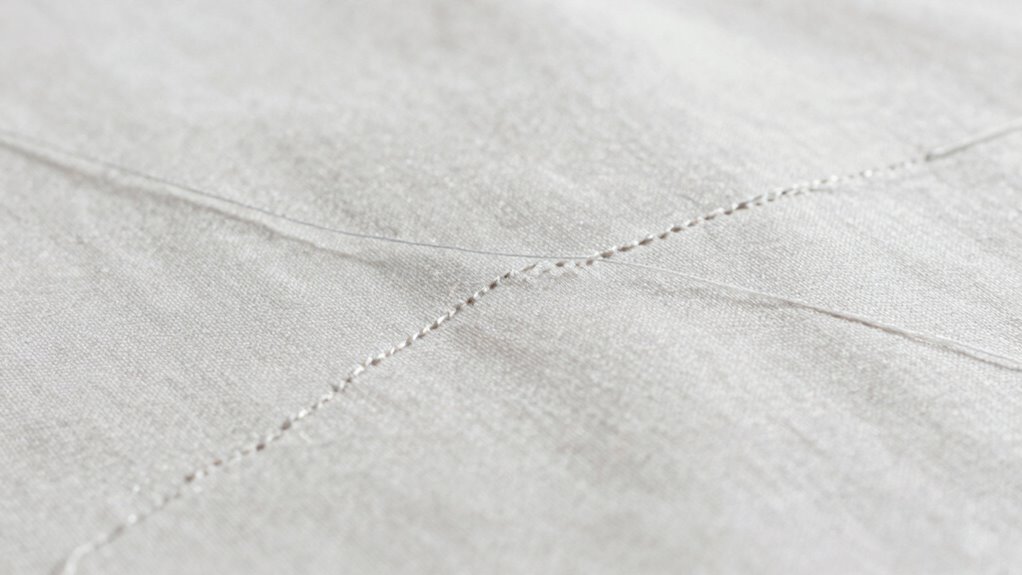
Invisible thread is a nearly undetectable filament used in various applications, from jewelry making to magic tricks, to create the illusion of floating or hovering objects. When you’re working on delicate or hidden stitching, this thread becomes an essential tool. It’s designed to blend seamlessly into fabrics, making your stitches virtually invisible, which is especially useful for hemming, attaching embellishments, or mending fine fabrics where you want the stitches to stay out of sight.
Invisible thread creates nearly invisible stitches, perfect for delicate sewing, hemming, and adding discreet embellishments.
Choosing the right thread materials is vital for achieving the best results. Most invisible threads are made from nylon, polyester, or other synthetic fibers, which provide strength and flexibility while remaining nearly invisible. Nylon threads tend to be more elastic, making them a good choice for stretch fabrics or projects that require some give. Polyester threads are generally stronger and more resistant to abrasion, which is beneficial for items that will undergo frequent washing or wear. When you’re selecting a thread, consider the fabric’s weight and the project’s purpose to pick the most appropriate material.
In terms of sewing techniques, working with invisible thread requires some adjustments. Because it’s thinner and more delicate than regular sewing thread, you’ll want to use fine needles, such as size 60/8 or 70/10, to prevent damaging the thread or fabric. When sewing with invisible thread, tension settings need to be carefully balanced; too tight, and the thread might break, too loose, and your stitches may be uneven or loose. It’s often best to test on scrap fabric first to dial in the right tension and stitch length. A straight stitch or a small zigzag can work well, depending on the type of project, but keep your stitches small and consistent to maintain a discreet appearance.
Handling invisible thread also involves some practical tips. Because it’s slippery, it can easily slip out of the needle eye or tangle. To prevent this, you might need to moisten the thread slightly before threading or use a needle with a larger eye. When you’re done sewing, gently remove any excess slack to avoid puckering or visible loops. Washing delicate items with invisible thread requires gentle handling—cold water and air drying help preserve the stitches and the thread’s integrity. Additionally, understanding invisible thread materials can help you choose the most suitable type for your project, ensuring durability and a clean finish. Being aware of the thread’s elasticity can also assist in achieving the desired tension and flexibility for your sewing projects. Knowing how thread strength varies among different materials can help prevent breakage during sewing or washing. Moreover, selecting the appropriate sewing techniques can greatly improve the overall appearance and longevity of your finished work.
As an affiliate, we earn on qualifying purchases.
Frequently Asked Questions
Can Invisible Thread Be Used Outdoors in the Rain?
Yes, you can use invisible thread outdoors in the rain, but keep in mind it’s not highly rain resistant. For outdoor durability, choose a high-quality, weather-resistant invisible thread designed for rain-resistant applications. Regular invisible thread may weaken or break when exposed to moisture. If you’re working on projects exposed to rain, opt for specially treated, durable threads to guarantee your stitching holds up in outdoor conditions.
Is Invisible Thread Suitable for Sewing Thick Fabrics?
Think of invisible thread as a whisper in a thunderstorm—gentle yet powerful. It’s not ideal for sewing thick fabric because it lacks the stitch strength needed to hold heavy layers together. Using it on thick fabric is like trying to tie a delicate ribbon around a boulder; it won’t hold well. For sturdy, thick fabrics, select stronger, more durable threads to guarantee your stitches stay secure.
How Long Does Invisible Thread Typically Last?
Invisible thread typically lasts around 2 to 6 months, but this varies with durability testing and environmental effects. If exposed to sunlight, humidity, or frequent washing, the thread can weaken or break sooner. To maximize its lifespan, store it in a cool, dry place and avoid prolonged exposure to harsh conditions. Regularly check your stitches for signs of wear to guarantee your delicate work stays secure.
Can Invisible Thread Be Dyed to Match Fabric Colors?
Yes, you can dye invisible thread to match fabric colors. Think of dyeing techniques as a painter’s palette, blending hues to achieve perfect color matching. You’ll need a gentle dye, like fabric dye or ink, and careful application. By immersing the thread in the dye bath, you can transform it into a seamless extension of your fabric, making your stitches virtually invisible and your finished project beautifully cohesive.
What Are Common Mistakes When Using Invisible Thread?
When using invisible thread, common mistakes include poor invisible thread tension, causing puckering or uneven stitches. You might also encounter invisible thread knotting, which can lead to breakage or puckering. To avoid these issues, always check your tension settings, use a fine needle, and thread the invisible thread carefully. Regularly re-thread your machine and handle the thread gently to prevent knotting and guarantee smooth, discreet stitching.
Conclusion
Using invisible thread allows you to achieve a clean, professional look in your delicate sewing projects. Imagine you’re hemming a lace curtain, and the stitches are so discreet that they vanish, leaving only the beauty of the fabric visible. With a little practice, you’ll master this hidden stitching technique, making your creations look flawless. Whether for repairs or new designs, invisible thread elevates your craftsmanship, giving your projects that polished, almost magical finish you’ve always wanted.
Fall Picks
fall essentials
As an affiliate, we earn on qualifying purchases.