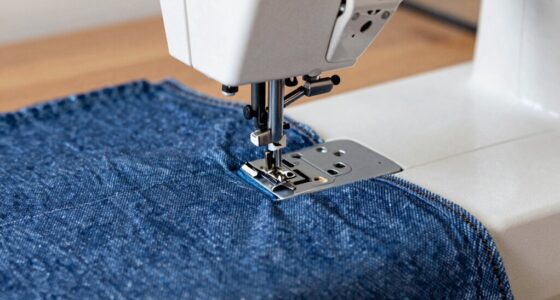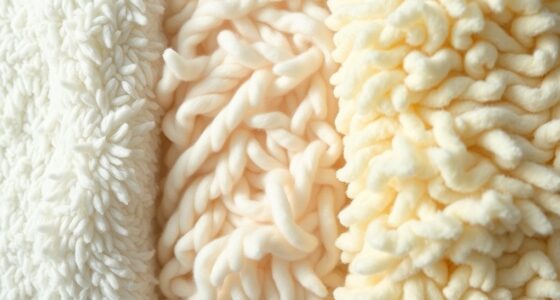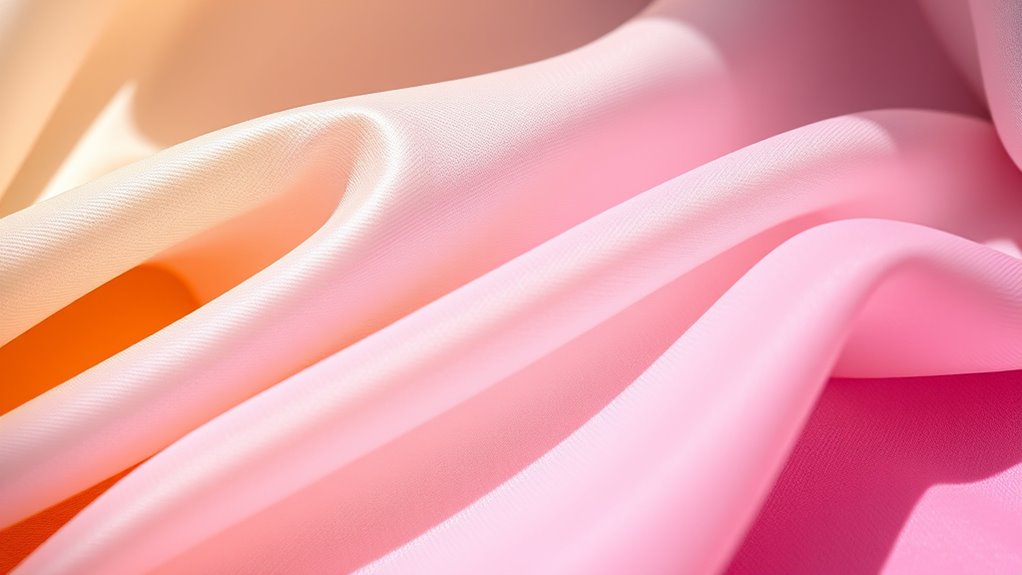

Polyester fabrics come in different varieties like PET, PBT, and recycled materials, each offering distinct advantages. PET polyester is common for its durability, softness, and ease of dyeing, making it ideal for clothing and textiles. PBT polyester provides excellent elasticity and resilience, perfect for activewear. Recycled polyester (rPET) helps reduce waste by repurposing plastic bottles, offering a sustainable option without sacrificing performance. Continue exploring to discover how each type can meet your specific fabric needs.
Key Takeaways
- Polyester fabrics include PET (polyethylene terephthalate) and PBT (polybutylene terephthalate), each with distinct properties for various applications.
- PET polyester is the most common, offering durability, ease of dyeing, and chemical resistance, suitable for apparel and home textiles.
- PBT polyester provides better elasticity, resilience, and color stability, often used in sportswear and technical textiles.
- Recycled polyester (rPET) is produced from plastic waste, reducing environmental impact while maintaining fabric performance.
- Technological advances have improved the eco-efficiency and versatility of both virgin and recycled polyester varieties.
Polyester fabrics are among the most widely used synthetic textiles today, known for their durability, affordability, and versatility. When you choose polyester, you’re opting for a fabric that can withstand daily wear and tear, making it a popular choice for everything from clothing to home furnishings. One of the key advantages of polyester is its exceptional textile durability, which guarantees that your garments stay in good shape longer, resisting shrinking, stretching, and wrinkling. This durability is partly due to advancements in sustainable manufacturing practices, which aim to reduce environmental impacts without compromising quality. As a result, modern polyester production increasingly emphasizes eco-friendly processes, like using less water and energy, or incorporating recycled materials. These innovations not only support sustainability but also enhance the fabric’s resilience, giving you products that last.
Understanding the importance of sustainable manufacturing is vital when evaluating polyester’s environmental footprint. Traditional polyester production relies heavily on fossil fuels, which raises concerns about carbon emissions and resource depletion. However, the industry has made notable strides by developing recycled polyester, often called rPET, made from plastic bottles and waste. Recycled polyester offers the same textile durability as virgin polyester but with a considerably lower environmental impact. When you buy recycled polyester, you’re contributing to reducing plastic waste and supporting more sustainable manufacturing practices. This shift toward recycled materials aligns with growing consumer awareness and the demand for environmentally responsible products.
Additionally, recent innovations in recycled polyester production techniques have further improved the fabric’s eco-efficiency and performance. Furthermore, the versatility of polyester, including its recycled variants, allows it to serve a wide range of applications. You’ll find it in sportswear, due to its moisture-wicking and quick-drying properties, as well as in fashion, home decor, and industrial uses. Its ability to be easily dyed, printed, and blended with other fibers makes polyester a flexible choice for designers and manufacturers alike. Plus, its resistance to UV rays and chemicals enhances its textile durability, ensuring that items made from polyester maintain their appearance and function over time. As technology advances, new formulations and manufacturing techniques continue to improve polyester’s eco-efficiency and performance, giving you durable, sustainable options that meet modern needs.

Hanes Men`s X-Temp Fresh IQ Tri-Blend Performance Tee, M, Black
- Fabric Weight: 4.5 oz/yd² tri-blend fabric
- Material Composition: Recycled polyester, cotton, rayon
- Collar Design: Lay-flat ribbed collar with self-fabric tape
As an affiliate, we earn on qualifying purchases.
As an affiliate, we earn on qualifying purchases.
Frequently Asked Questions
How Does Polyester Fabric Compare to Natural Fibers in Breathability?
You’ll find polyester fabric less breathable than natural fibers like cotton or linen. Natural fibers typically offer better breathability comparison, helping you stay cool and comfortable, especially in hot weather. While polyester is durable and moisture-wicking, it doesn’t breathe as well as natural fibers. If breathability is your priority, choosing natural fibers gives you the advantage of better airflow and moisture absorption, making your wear more comfortable throughout the day.
What Are the Environmental Impacts of Producing Recycled Polyester?
Imagine transforming ocean plastic into clothing, reducing pollution’s toll. Recycled polyester lowers your environmental footprint by repurposing waste, but it still faces recycling challenges like fiber degradation and energy use. Producing recycled polyester consumes less water and emits fewer greenhouse gases than virgin polyester, helping the planet. Still, it’s not a perfect solution, and ongoing efforts are needed to address the environmental impacts of its production.
Can Polyester Fabrics Be Biodegradable or Compostable?
Polyester fabrics generally lack biodegradability potential, meaning they won’t easily decompose in natural environments. While some innovations aim to create compostable polyester, significant compostability challenges remain due to their chemical structure. You should know that most polyester fabrics won’t break down quickly, making them less eco-friendly than natural fibers. If sustainability matters to you, look for certified biodegradable or compostable options, but understand these are still emerging technologies.
How Do Different Polyester Types Affect Dyeing and Color Retention?
Different polyester types influence dye affinity and color fastness considerably. PET generally offers high dye affinity, allowing vibrant colors and good durability. PBT has excellent color retention and enhanced dye uptake, making it suitable for bright, long-lasting hues. Recycled polyesters may sometimes have slightly lower dye affinity due to contaminants but can still achieve good color fastness with proper dyeing processes. Your choice impacts how well the color stays and how vivid it remains over time.
Are There Any Health Concerns Associated With Wearing Polyester Fabrics?
Imagine wearing a suit of armor that’s been treated with chemicals; that’s how some polyester fabrics can feel. While most people wear polyester without issues, some face allergy risks or chemical exposure, leading to skin irritation or respiratory problems. If you have sensitive skin or allergies, it’s wise to choose natural fibers or look for hypoallergenic options. Always check labels for chemical treatments to stay safe and comfortable.
Conclusion
So, whether you choose pet, pbt, or recycled polyester fabrics, you get durability and eco-friendliness. While some might favor natural fibers for their softness, polyester offers strength and versatility. It’s a balance between sustainability and performance, comfort and resilience. In the end, your choice depends on what matters most—environmental impact or everyday practicality. Polyester fabrics, whether new or recycled, prove that durability and sustainability can go hand in hand.