Tulle fabric, known for its lightweight, airy, and delicate texture, has long been favored for ballet tutus and bridal veils. Its origins date back to 18th-century France and Italy, where artisans crafted fine silk versions by hand. Today, modern manufacturing uses synthetic fibers like nylon and polyester, maintaining its elegance while offering more versatility. If you stay with us, you’ll discover how this timeless fabric continues to inspire fashion and craftsmanship around the world.

Get your wardrobe favorites delivered free — and shop member deals
- Fast, free delivery on millions of items
- Access to Prime Big Deal Days deals on October 6–7
- Prime Video, Amazon Music and more included
Key Takeaways
- Tulle fabric originated in 18th-century France and Italy, historically made from silk for its delicate, transparent quality.
- Its traditional manufacturing involved handwoven silk threads, showcasing craftsmanship and intricate design.
- Modern tulle uses synthetic fibers like nylon and polyester, enabling easier production while maintaining a lightweight, sheer appearance.
- Tulle is widely used in ballet tutus, wedding veils, and elegant garments, symbolizing sophistication and femininity.
- Innovations such as stretch and embroidered tulle expand its versatility in contemporary fashion and bridal designs.
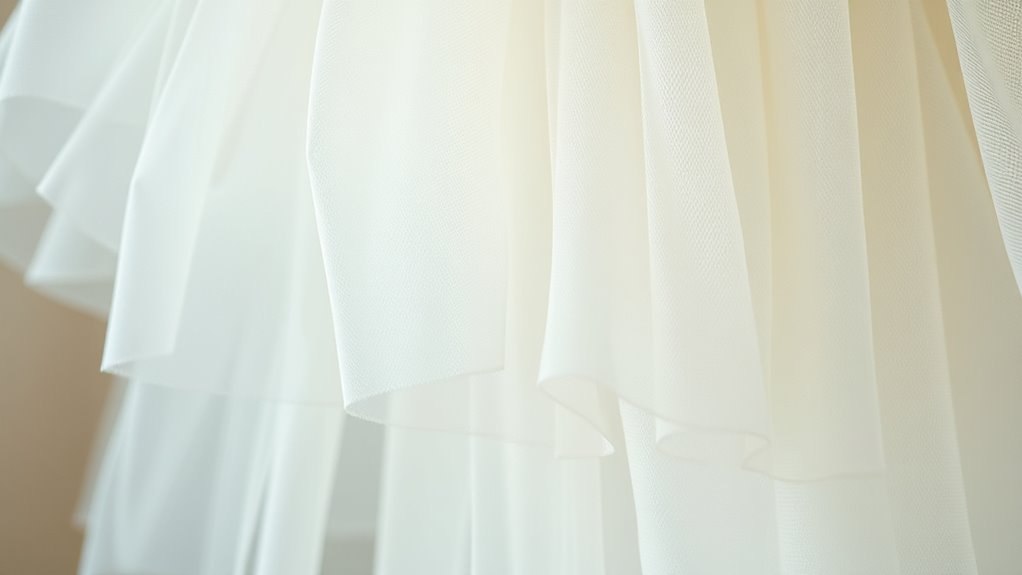
Have you ever wondered what gives delicate gowns and fairy-tale veils their airy, ethereal quality? The answer lies in tulle fabric, a material with a rich history and unique manufacturing techniques that have made it a staple in fashion and bridal wear. Its origins trace back centuries, with the earliest forms believed to have emerged in the 18th century in France and Italy. Originally, tulle was made from silk, valued for its lightweight and fine texture, making it perfect for intricate garments. Over time, the fabric became associated with elegance and luxury, often reserved for the nobility and high society. Today, its historical roots remain evident in the delicate craftsmanship that defines traditional tulle, even as modern techniques have evolved.
The manufacturing process of tulle is a fascinating blend of artistry and precision. Traditionally, it involved weaving fine threads of silk into a net-like structure, creating the soft, transparent quality that defines the fabric. This weaving process requires meticulous skill, as the threads are woven very tightly to produce a stable yet delicate mesh. The advent of industrialization introduced new materials like nylon and polyester, which considerably simplified production while maintaining the fabric’s signature lightness and transparency. These synthetic fibers are spun into threads and then woven using specialized machinery that replicates the delicate handwoven appearance of the original silk versions. The choice of fibers impacts the fabric’s feel, durability, and drape, allowing manufacturers to produce tulle suitable for a variety of uses, from ballet tutus to elegant wedding veils. Additionally, the development of specialized weaving techniques has enabled the creation of various textures and patterns, enhancing its aesthetic appeal.
Modern manufacturing techniques have also introduced variations in tulle, such as stretch tulle and embroidered versions, expanding its versatility. Despite these innovations, the essence of traditional craftsmanship remains, especially in high-end applications where attention to detail is paramount. Throughout its history, tulle has remained a symbol of sophistication and fragility, its manufacturing techniques continuously refined to meet the demands of contemporary fashion while honoring its storied past. Whether you’re admiring a ballerina’s tutu or a bride’s veil, you can appreciate the centuries of craftsmanship and evolution that have shaped this timeless fabric. The combination of its historical origins and advanced manufacturing techniques ensures that tulle continues to enchant and elevate garments with its delicate, airy quality.
Top picks for "tulle fabric ballet"
As an affiliate, we earn on qualifying purchases.
Frequently Asked Questions
How Is Tulle Fabric Made?
You might wonder how tulle fabric is made. During fabric manufacturing, fibers like silk, nylon, or polyester are spun into yarns. These yarns are then woven into a fine netting using specialized machinery, creating the delicate, lightweight tulle. The choice of fiber types influences its texture and durability. This process results in the airy, sheer fabric used in ballet tutus, wedding veils, and more.
What Are the Best Cleaning Methods for Tulle?
To clean tulle fabric, you should opt for gentle methods like hand washing with mild detergent or dry cleaning. When hand washing, fill a basin with cold water, add a small amount of detergent, and gently swirl the fabric without wringing. For delicate items, dry cleaning is the safest choice to prevent damage. Always air dry tulle flat or hang it carefully to maintain its shape and softness.
Can Tulle Be Dyed in Different Colors?
Yes, you can dye tulle in different colors using various dyeing techniques for color customization. To achieve the best results, choose a fabric dye suitable for delicate materials like tulle, such as fiber-reactive or gentle dye. You’ll want to soak the tulle evenly, stirring gently to prevent damage. Always test a small piece first, and follow the dye’s instructions carefully to get vibrant, lasting colors.
Is Tulle Fabric Suitable for Outdoor Events?
Yes, tulle fabric can be suitable for outdoor events, but you should consider its outdoor durability and weather resistance. Tulle is lightweight and delicate, so it may tear or get damaged easily in strong winds or rain. To guarantee it holds up well, choose tulle with added weather-resistant treatments or use it in sheltered areas. Keep an eye on weather conditions and handle the fabric carefully to maintain its appearance.
How Do I Prevent Tulle From Tearing Easily?
Ever wonder how to keep your tulle fabric looking perfect? To prevent tears, handle it gently and avoid sharp edges or rough surfaces. Reinforce your tulle with a fine layer of interfacing or sew a double layer for added durability. Keep it stored properly, avoiding excessive stretching or pulling. Isn’t it worth investing a little extra effort to guarantee your tulle fabric’s durability and prevent tears?
Conclusion
From delicate ballet tutus to elegant bridal veils, tulle fabric transforms dreams into reality. Its airy, ethereal quality contrasts beautifully with the strength it holds, proving that fragility can also be resilience. As you explore its endless possibilities, remember that tulle isn’t just about looks—it’s about creating magic with every stitch. Whether for a dance or a wedding, this fabric reminds you that beauty often lies in the unexpected blend of softness and strength.
Fall Picks
fall essentials
As an affiliate, we earn on qualifying purchases.