Using eco-friendly gift wrapping like Furoshiki and fabric techniques lets you reduce waste while honoring cultural traditions. These wraps are durable, reusable, and can be personalized with vibrant patterns or natural dyes, making your gifts more meaningful. They promote sustainability by decreasing reliance on single-use packaging and turn wrapping into a mindful act. If you want to explore practical tips and creative ideas, there’s plenty more to discover about eco-conscious gift wrapping techniques.

Get your wardrobe favorites delivered free — and shop member deals
- Fast, free delivery on millions of items
- Access to Prime Big Deal Days deals on October 6–7
- Prime Video, Amazon Music and more included
Key Takeaways
- Furoshiki is a traditional Japanese fabric wrapping method that emphasizes reuse and cultural artistry for eco-friendly gift presentation.
- Fabric wraps like silk or cotton are durable, reusable, and can be customized with patterns or motifs for a personalized touch.
- Using fabric wrapping techniques reduces waste, minimizes single-use packaging, and promotes sustainable gift-giving practices.
- Simple knots and folds secure the gift, transforming wrapping into an integral part of the gifting experience.
- Embracing fabric wraps celebrates cultural traditions, encourages mindfulness, and fosters conversations about environmental sustainability.

When you choose eco-friendly gift wrap, you not only make your celebrations more sustainable but also reduce waste that ends up in landfills. One of the most effective ways to do this is by using reusable materials, which can be enjoyed again and again, cutting down on single-use packaging. These materials often draw inspiration from cultural traditions that have long emphasized wrapping as an art form, blending practicality with cultural significance. For example, Furoshiki, a traditional Japanese wrapping cloth, exemplifies this blend perfectly. It’s a versatile square piece of fabric designed specifically for wrapping gifts, and it holds cultural value that dates back centuries. By opting for Furoshiki or similar fabric wrapping techniques, you honor these traditions while consciously reducing waste. Unlike paper wraps that often get torn and discarded after one use, fabric wraps can be used multiple times, making them a sustainable choice for eco-conscious gift-givers. Additionally, incorporating reusable wrapping methods can further minimize environmental impact by decreasing the demand for disposable materials.
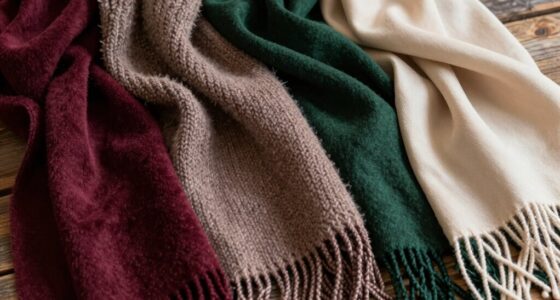
When you use fabric wrapping techniques inspired by cultural traditions, you add a touch of history and meaning to your gift. These methods often involve simple knots and folds, which not only secure the gift but also turn wrapping into part of the gift itself. This approach encourages mindfulness about waste, as the wrapping can be re-used by the recipient or repurposed for other needs. Plus, the variety of fabrics available—from silk to cotton—means you can tailor your wrapping style to suit any occasion or personal aesthetic. You might even choose fabrics with cultural motifs, further enriching the experience and honoring traditions from around the world.
Another advantage of using reusable materials like fabric wraps is that they don’t have to be plain or boring. You can choose vibrant patterns, natural dyes, or handmade textiles that add beauty and personality to your gifts. This not only elevates the presentation but also aligns with sustainable values. As you embrace these wrapping techniques, you become part of a larger movement to reduce consumption and waste, all while celebrating cultural diversity and craftsmanship. Over time, you’ll find that these fabric wraps become treasured keepsakes, passed down or repurposed, sparking conversations about sustainability and tradition. So, by choosing reusable materials rooted in cultural traditions, you turn gift wrapping into a meaningful, eco-friendly act that benefits the planet and enriches your gift-giving experience.
Frequently Asked Questions
Can Furoshiki Wrapping Be Used for All Gift Sizes?
Yes, furoshiki wrapping can be used for all gift sizes, thanks to its wrapping versatility. While size limitations exist, you can simply choose a larger or smaller cloth to accommodate different gift dimensions. With some folding adjustments and knot techniques, you can wrap anything from small jewelry boxes to large, awkwardly shaped items. This adaptable method makes furoshiki an eco-friendly and practical wrapping solution for any gift size.
How Durable Are Fabric Wraps After Multiple Uses?
Fabric wraps are quite durable after multiple uses, especially if you consider fabric longevity and reusability factors. With proper care—gentle washing, avoiding harsh chemicals, and storing them properly—they can last for years. Your wraps will maintain their strength and appearance, making them a sustainable choice for eco-friendly gifting. The key is to handle them carefully and follow care instructions to guarantee they stay durable and reusable over time.
Are There Eco-Friendly Fabric Options Suitable for Wrapping?
Yes, there are eco-friendly fabric options suitable for wrapping. You can choose sustainable fabric choices like organic cotton, linen, hemp, or bamboo, which are natural fiber options known for their environmental benefits. These materials are biodegradable, durable, and versatile, making them perfect for wrapping gifts repeatedly. By selecting natural fibers, you guarantee your gift wrapping remains eco-conscious, stylish, and sustainable, reducing waste and supporting environmentally friendly practices.
Can Furoshiki Be Used for Non-Gift Purposes?
Yes, you can definitely use furoshiki for non-gift purposes. It’s perfect for alternative uses and everyday applications, like carrying groceries, wrapping lunch boxes, or organizing items at home. Its versatility makes it a practical and eco-friendly choice for various tasks, reducing waste and adding a touch of style to your daily routine. Furoshiki isn’t just for gifts; it’s an adaptable tool you can use in many ways.
How Do I Clean and Store Fabric Wraps Properly?
Think of your fabric wraps as cherished keepsakes, like a well-loved book. To keep them pristine, follow proper fabric care: wash in cold water, use gentle detergents, and avoid bleach. For storage tips, fold neatly and store in a cool, dry place away from sunlight to prevent fading. This way, your wraps stay vibrant and ready for future use, just like a treasured story waiting to be told again.
Conclusion
Think of eco-friendly gift wrapping like tending a garden—you nurture each fold and knot with care, knowing it helps the earth bloom. By choosing furoshiki and fabric wraps, you’re planting seeds of sustainability that grow into a more beautiful, mindful world. Every wrapped gift becomes a tiny act of kindness, weaving a tapestry of love and respect for our planet. Embrace these techniques, and watch your gifts blossom into symbols of eco-consciousness.
Fall Picks
fall essentials
As an affiliate, we earn on qualifying purchases.