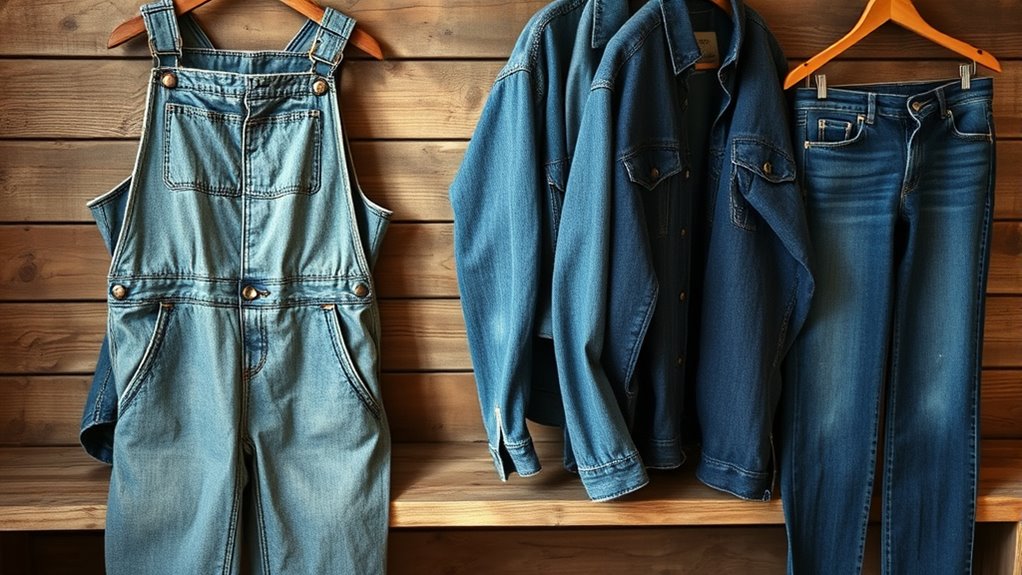
Denim started as tough workwear for laborers, prized for its durability and practicality. Over time, cultural influences and fashion trends transformed it into a global style icon, symbolizing freedom and individuality. Innovators introduced techniques that improved its design and sustainability efforts. Today, denim blends tradition with modern fashion, reflecting societal shifts and creativity. If you want to explore how this fabric evolved and became a style staple, there’s more to discover below.
Key Takeaways
- Denim originated as durable workwear for laborers, valued for its practicality and toughness.
- Over time, denim transitioned from utilitarian clothing to a fashionable garment embraced worldwide.
- Cultural influences and innovations, like selvage denim and embellishments, enriched denim’s style and expression.
- Sustainable practices and technological advancements now enhance denim’s durability and eco-friendliness.
- Modern fashion integrates denim’s historical roots with contemporary trends, making it a versatile and iconic fabric.
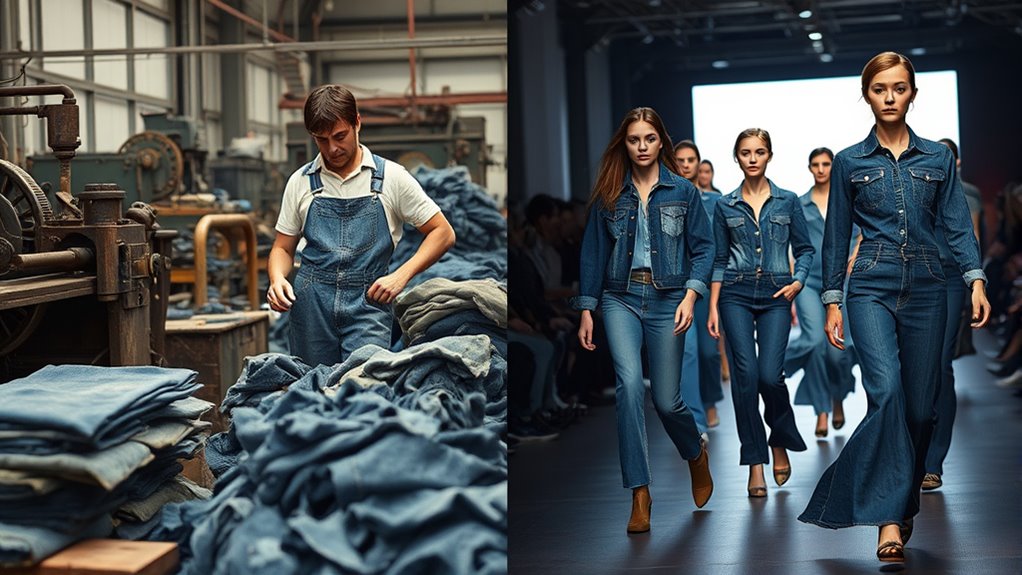
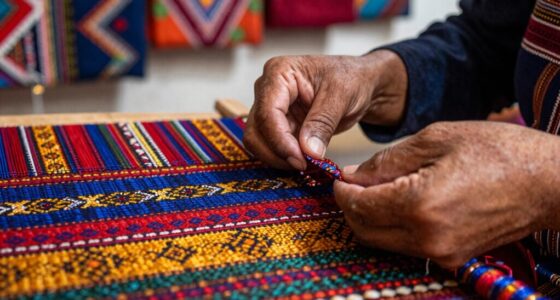
Have you ever wondered how denim, once a simple workwear fabric, transformed into a global fashion staple? The journey begins with its origins as sturdy, durable material designed for laborers in the 19th century. Originally, denim was valued for its practicality, but as its popularity grew, so did the awareness of its environmental impact. Today, sustainable practices are reshaping how denim is produced, with manufacturers adopting eco-friendly dyes, recycled fibers, and water-saving techniques. These efforts stem from a broader movement to make fashion more responsible, reducing waste and pollution associated with traditional denim manufacturing. As you explore denim’s evolution, you’ll notice how cultural influences have played a pivotal role in shaping its identity. Different regions and communities have infused their unique styles, techniques, and meanings into denim, transforming it from plain workwear into a symbol of rebellion, rebellion, sophistication, and cultural expression. For instance, in the United States, denim became intertwined with the ideals of freedom and individuality, especially during the Gold Rush and subsequent cattle drives. Meanwhile, Japanese artisans developed their own intricate methods, such as selvage denim, emphasizing craftsmanship and quality, which elevated denim into high fashion. Across the globe, indigenous and local cultures added their own motifs, embroidery, and embellishments, turning denim into a canvas for storytelling and identity. These cultural influences continue to inspire designers today, blending traditional techniques with modern aesthetics to create innovative styles. The shift from workwear to fashion staple also involved a change in perception. What was once considered utilitarian is now a symbol of style, comfort, and social commentary. Designers began experimenting with cuts, washes, and embellishments, transforming rugged fabric into chic garments suitable for diverse settings. This evolution was further fueled by pop culture icons, musicians, and celebrities who popularized denim as a statement of attitude and rebellion. The development of denim isn’t just about aesthetics; it’s also about values. The industry’s move toward sustainable practices reflects an increasing awareness of environmental issues, while cultural influences remind us of denim’s rich history and global significance. Additionally, modern innovations in fabric technology are continuously expanding the possibilities for denim design and durability. As you wear denim today, you’re part of a long-standing tradition that merges practicality, cultural identity, and innovation. It’s a fabric that has continually adapted to societal changes, embodying both individual expression and collective history. From its humble beginnings as workwear to a symbol of fashion and cultural influence, denim’s story is ongoing—shaped by conscious choices and creative visions that keep it relevant in the modern world.

Wrangler Women's Retro Bailey High Rise Trouser Jean, Shelby, 31W x 32L
TROUSER LEG. Your favorite high-waisted jeans just got even better. A slim fit through the seat and thigh…
As an affiliate, we earn on qualifying purchases.
As an affiliate, we earn on qualifying purchases.
Frequently Asked Questions
How Did Denim Become Popular Worldwide?
You see, denim became popular worldwide because of its durability and versatility, appealing to various cultures and fashion trends. As brands adopted sustainable practices, they improved production methods, making denim more eco-friendly. Cultural influences, like Hollywood movies and iconic musicians, boosted its status, turning it into a global fashion staple. Your favorite denim pieces now reflect a blend of tradition, innovation, and environmental consciousness, making it a timeless and responsible choice.
What Are the Environmental Impacts of Denim Production?
Did you know that producing a single pair of jeans can use up to 2,900 gallons of water? The environmental impacts of denim production include high water consumption and pollution from chemicals. To reduce this, many brands now adopt sustainable alternatives and focus on water conservation techniques. By choosing eco-friendly denim, you help lower pollution and conserve essential resources, making a positive impact on the planet with every pair you wear.
How Can I Care for Vintage Denim Garments?
To care for vintage denim garments, focus on denim preservation by washing them sparingly and using cold water to prevent fading. Always turn your jeans inside out before washing to protect the fabric and any unique details. Avoid harsh detergents and air-dry when possible to maintain their integrity. Store your vintage denim flat or hung in a cool, dry place to keep them looking great for years to come.
What Are the Latest Trends in Denim Fashion?
Did you know that 85% of consumers now prefer sustainable fabrics in their denim? The latest trends focus on eco-friendly materials and innovative washes that give your jeans a unique look while reducing environmental impact. Expect oversized fits, high-waisted styles, and vintage-inspired washes to dominate the scene. You can stay stylish and eco-conscious by choosing denim brands that prioritize sustainability and experiment with bold, modern washes that stand out.
How Does Denim Manufacturing Vary Across Different Countries?
You’ll notice that denim manufacturing varies worldwide based on sustainable sourcing and manufacturing techniques. Countries like Japan focus on eco-friendly practices and innovative dyeing methods, while Bangladesh emphasizes cost-effective mass production with some sustainable efforts. In the U.S., brands often prioritize transparency and eco-conscious materials. These differences influence denim quality, environmental impact, and style, giving you diverse options that reflect local values and manufacturing standards.
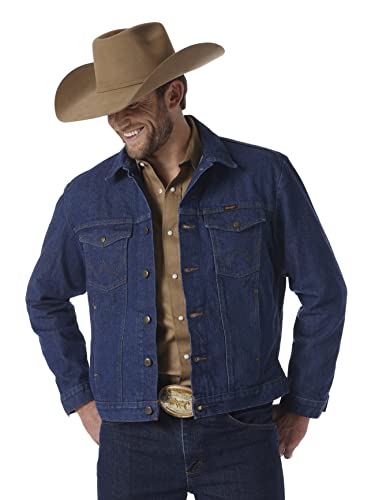
Wrangler Mens Cowboy Cut Western Unlined Denim Jacket Outerwear, Denim, Medium US
WESTERN STYLE. Finished with western "W" deco stitching and a heavy-duty brass button closure, this elevated classic will…
As an affiliate, we earn on qualifying purchases.
As an affiliate, we earn on qualifying purchases.
Conclusion
As you’ve seen, denim’s journey from rugged workwear to high-fashion staple is a testament to its versatility and timeless appeal. While some might think its casual roots limit it to everyday wear, modern designers prove otherwise, elevating denim to sophisticated styles. Embrace its evolution—you’ll find that denim seamlessly adapts to any occasion, blending durability with elegance. So, next time you wear denim, remember, you’re showcasing a fabric that’s both rooted in history and poised for the future.

Hzopcw 3pcs Denim Butterfly Iron on Patches, Sew on Embroidered Applique with Fringe, Retro Butterfly Denim Patches Repair Decoration for Jeans Jackets Bags Hat Shoes- Blue
Fashionable Design: These denim iron on patches adopt the design of butterfly with fringe, stylish and retro, showcasing…
As an affiliate, we earn on qualifying purchases.
As an affiliate, we earn on qualifying purchases.

100% Cotton Denim Fabric by The Yard, 6.5oz & 10 oz Comfort Stretch Denim for Apparel, Jeans, Jackets, DIY Sewing (6.5oz-Deep Blue, 1 Yard)
1. Premium 100% Cotton with Comfort Stretch Experience the perfect blend of natural comfort and flexibility. Our denim…
As an affiliate, we earn on qualifying purchases.
As an affiliate, we earn on qualifying purchases.