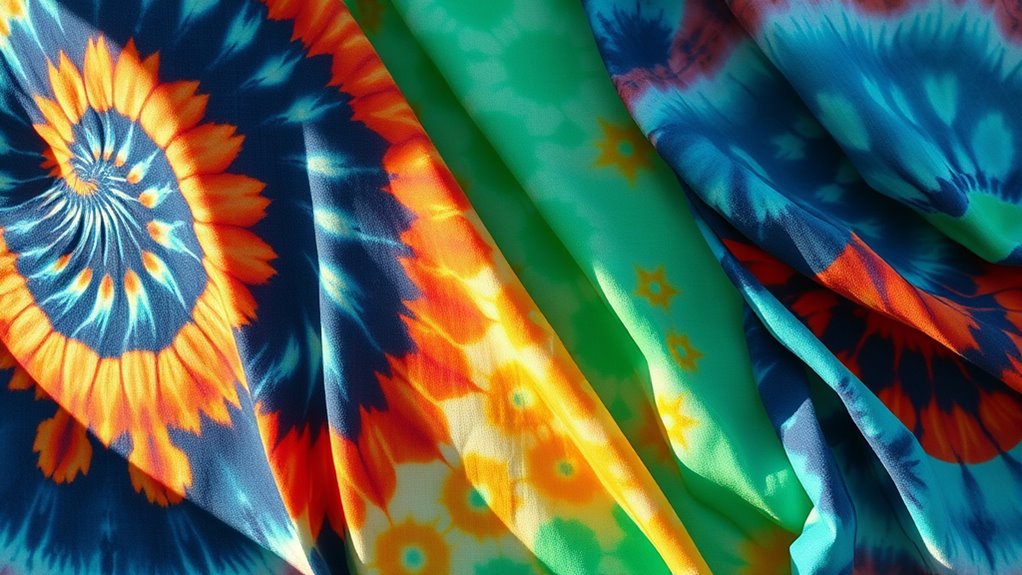
The resurgence of tie-dye and hand-dyed fabrics reflects a growing focus on personalized, sustainable fashion. People now embrace unique, handcrafted designs that stand out from mass-produced items, emphasizing creativity and artistry. This trend connects with eco-friendly practices using natural dyes and DIY techniques, making fashion more ethical and mindful. If you’re curious about how this movement shapes style and sustainability, there’s more to discover beneath the surface.
Key Takeaways
- Tie-dye and hand-dyed fabrics have gained popularity due to nostalgia, individuality, and sustainable fashion movements.
- The trend emphasizes craftsmanship, authenticity, and slow fashion, moving away from mass-produced textiles.
- DIY dyeing techniques using natural or eco-friendly dyes promote sustainability and reduce environmental impact.
- Unique variations and organic patterns highlight the artistic, imperfect beauty of hand-dyed textiles.
- The resurgence influences high fashion and streetwear, reflecting a cultural shift towards personalized, ethical style.

In recent years, tie-dye and hand-dyed fabrics have experienced a remarkable comeback, capturing the attention of fashion enthusiasts and artisans alike. This revival isn’t just about nostalgia; it’s driven by a desire for unique, personalized pieces and a growing awareness of sustainable fashion. You might find yourself enthusiastic to try DIY dyeing, a process that allows you to create one-of-a-kind garments while reducing environmental impact. By choosing to dye your own fabrics, you’re embracing a more conscious approach to fashion, steering away from fast fashion’s wastefulness and mass production.
DIY dyeing offers you an accessible way to get involved in sustainable fashion. Instead of buying mass-produced, synthetic garments that often end up in landfills, you can craft your own clothing and accessories with natural dyes or eco-friendly dyes. This hands-on process not only results in garments that are truly yours but also minimizes pollution caused by conventional dyeing methods. Plus, the process is flexible—you can experiment with colors, patterns, and techniques to match your personal style. Whether you’re using old t-shirts, scarves, or even pillowcases, DIY dyeing breathes new life into pre-loved items and extends their lifespan, aligning with the principles of sustainability. Moreover, understanding the traditional techniques involved can deepen your appreciation for dream symbolism, which often emphasizes the importance of creativity and authenticity.
Create unique, eco-friendly garments at home with DIY dyeing to promote sustainability and personal style.
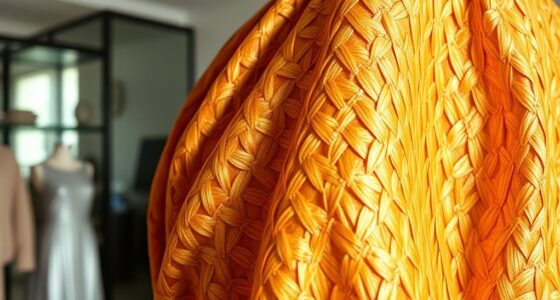
The appeal of hand-dyed fabrics also stems from their imperfect beauty. Unlike factory-produced textiles, each piece you create will have its own character—slight variations in color, uneven patterns, or organic gradients—that highlight craftsmanship and uniqueness. This individuality resonates with the current trend toward slow fashion, where consumers value quality and authenticity over fleeting trends. Hand-dyed textiles embody a sense of artistry that mass-produced fabrics simply can’t replicate, making your wardrobe more meaningful and distinctive.
Furthermore, the resurgence of tie-dye and hand-dyed fabrics is making waves in both high fashion and streetwear. Designers are incorporating these techniques into runway collections, while everyday people like you are creating their own styles at home. The accessibility of DIY dyeing kits and natural dye sources, such as plants and vegetables, makes it easier than ever to get started. As you experiment, you’ll notice how this process connects you to a broader movement that champions sustainability, creativity, and individual expression. It’s a powerful way to make fashion more ethical, eco-friendly, and deeply personal.
Frequently Asked Questions
What Are the Environmental Impacts of Traditional Dyeing Methods?
Traditional dyeing methods can harm the environment by causing water pollution and chemical runoff. When you use these techniques, harmful chemicals often wash into nearby water sources, affecting aquatic life and contaminating drinking water. This process consumes large amounts of water and releases toxic substances, which can damage ecosystems and pose health risks to communities. Switching to eco-friendly dyes helps reduce your environmental footprint and promotes sustainable fashion practices.
How Can I Start Creating My Own Tie-Dye Designs at Home?
You can start creating your own tie-dye designs at home by following DIY tutorials online, which offer step-by-step guidance. Gather plain white fabrics, rubber bands, and fabric dyes. Experiment with color blending techniques like folding, twisting, and layering to achieve unique patterns. Remember to wear gloves and work in a well-ventilated area. With practice, you’ll master your favorite designs and create vibrant, personalized pieces.
What Are the Best Fabrics for Achieving Vibrant Hand-Dye Effects?
To achieve vibrant hand-dye effects, choose natural fibers like cotton, silk, or rayon because they absorb dyes better, resulting in brighter colors. These fabrics have superior dye absorption, which helps your designs pop with vivid hues. Avoid synthetic fabrics, as they resist dye penetration. Prioritize pre-washing your fabric to remove any finishes that might hinder dye absorption, ensuring your tie-dye turns out bold and colorful.
How Do Hand-Dyed Fabrics Compare in Durability to Mass-Produced Textiles?
Hand-dyed fabrics often outshine mass-produced textiles in durability, thanks to superior fiber longevity and dye fastness. While some worry they fade quickly, quality hand-dyeing techniques ensure vibrant colors last through countless washes. You’ll find that hand-dyed pieces, crafted with care, resist fading better over time, making them surprisingly resilient. So, with proper care, your unique, artful garments can withstand the test of time, remaining vivid and beautiful for years.
Are There Cultural Significances Tied to Specific Tie-Dye Patterns?
Yes, specific tie-dye patterns often hold cultural symbolism and regional significance. When you see certain patterns, like the spiral in Nigeria or the banded designs in India, they reflect local traditions, beliefs, or social status. These regional patterns help you connect with the cultural heritage behind each piece, making your tie-dye not just a fashion statement but a meaningful expression of identity and history.
Conclusion
You can see how tie-dye and hand-dyed fabrics bloom like wildflowers in a garden, vibrant and full of life. Their resurgence isn’t just a trend—it’s a colorful rebellion against mass production, a dance of individuality woven into every thread. Embrace this wave and let your style paint the world in bold strokes. After all, in a sea of sameness, your unique fabric story is the brightest splash of all.