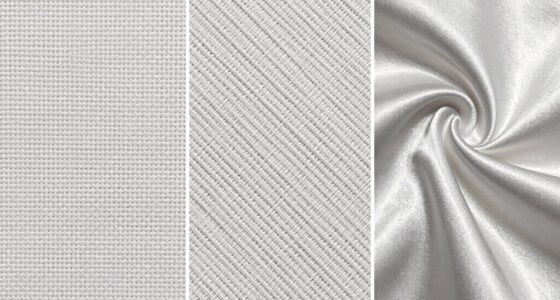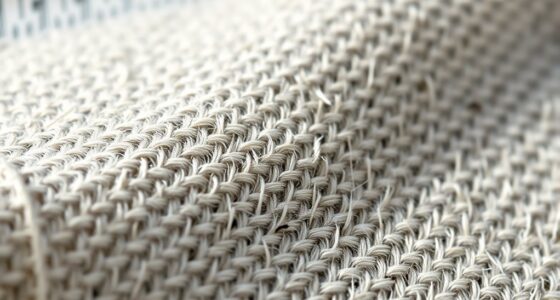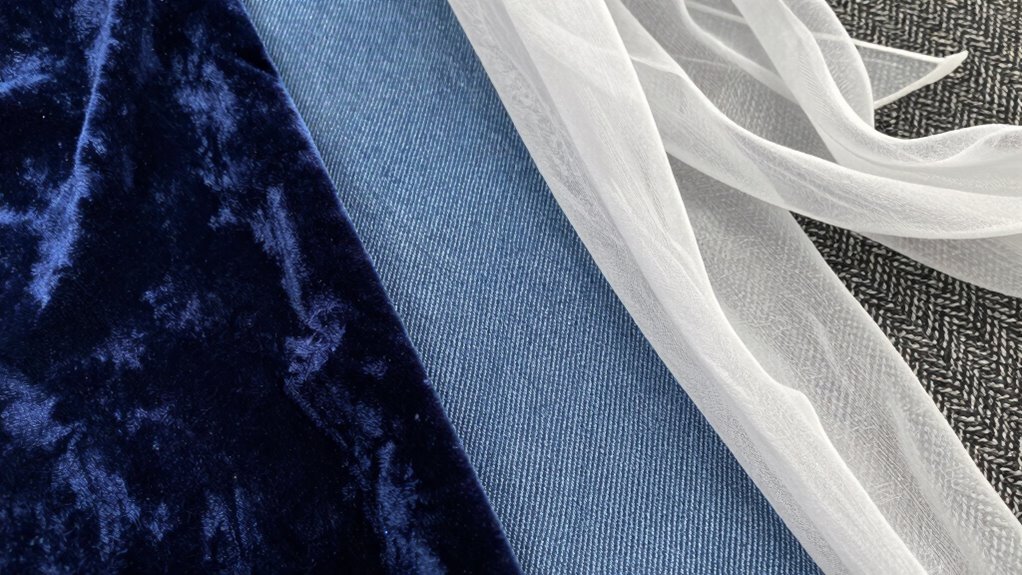

Your choice of fabric construction affects how the textile performs and what it’s best suited for. Tightly woven fabrics like twill are durable and ideal for upholstery or workwear, while loosely woven textiles suit lightweight clothing. Knitted fabrics are stretchy and perfect for activewear. Understanding these differences helps you select the right fabric for your project. If you want to explore how construction impacts dyeing, finishing, and end-use, keep exploring these fascinating details.
Key Takeaways
- The durability and wear resistance of fabrics depend on whether they are woven, knitted, or bonded.
- Fabric structure influences flexibility, making knitted fabrics ideal for stretch garments and activewear.
- Tight weaves are suitable for upholstery and workwear due to their strength and stability.
- Looser weaves and knits are preferred for lightweight, decorative, or breathable clothing items.
- Fabric construction affects dye absorption and finishing, impacting the final appearance and suitability for specific uses.
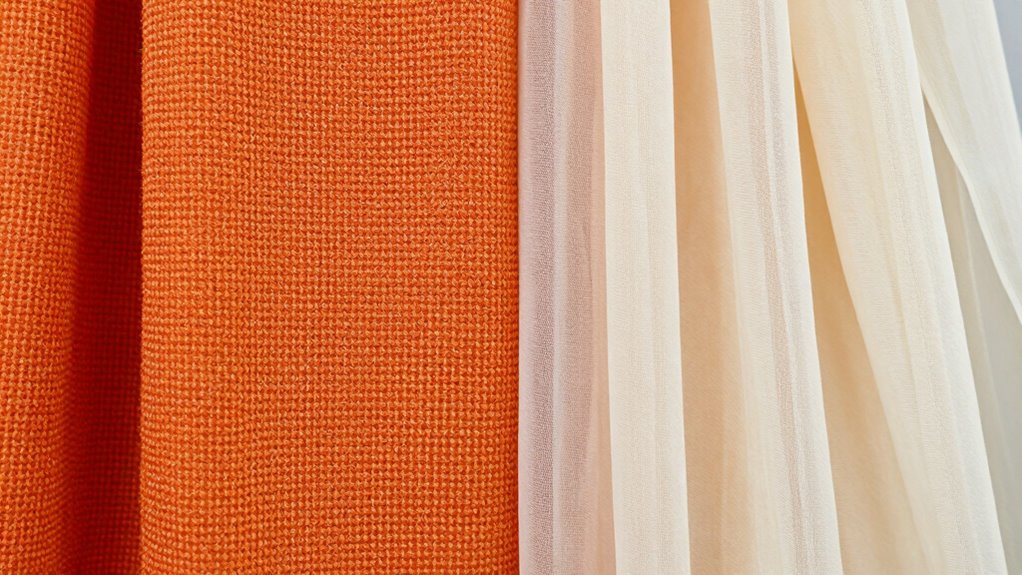
Understanding fabric construction is vital because it directly influences how a fabric performs and where it’s best used. When you’re choosing fabrics for a project, the way the fibers are woven, knitted, or bonded determines not only the appearance but also the durability, flexibility, and care requirements. For instance, tightly woven fabrics like twill or plain weave are often used in upholstery or workwear because they resist wear and tear, whereas loosely woven textiles might be ideal for lightweight clothing or decorative items. Recognizing these differences helps you select the right fabric for the intended end use, whether it’s for fashion, home furnishings, or technical applications.
Dyeing techniques play an integral role in fabric construction because they influence the final look and colorfastness of the textile. Fabrics with different constructions absorb dyes differently; for example, open-weave fabrics might require specific dyeing processes to guarantee even coloration, while densely woven fabrics might take dye more uniformly. As you work with various textiles, understanding how dyeing techniques interact with different fabric structures allows you to achieve the desired aesthetic and performance. Additionally, textile finishing processes—such as mercerization, calendaring, or coating—are often tailored to specific fabric constructions to enhance qualities like sheen, softness, or water resistance. For example, a fabric with a smooth, tight weave might be finished with a glossing process to give it a luxurious appearance, while a textured or loose weave might be treated to improve drape or comfort.
The way fabric is constructed also influences its end use by dictating how it responds to finishing techniques. A knitted fabric, for instance, tends to be more elastic and stretchy, making it suitable for activewear or undergarments, especially when combined with textile finishing processes that enhance elasticity or moisture-wicking properties. Woven fabrics, on the other hand, often have a more stable structure, which makes them ideal for tailored garments or upholstery. The construction also affects how fabrics handle dyeing and finishing—some structures lend themselves better to vibrant, long-lasting colors, while others may require more gentle handling to prevent damage. Moreover, understanding the fiber composition of a fabric can help predict its performance and care needs, further guiding the selection process. A comprehensive knowledge of fabric construction allows designers and manufacturers to optimize the entire production process for desired results.
Furthermore, the choice of fabric construction can impact the cost of production, making certain styles more suitable for specific market segments. Different constructions also influence the ease of fabric manipulation, which is crucial for achieving desired shapes and textures in finished products. Ultimately, understanding fabric construction empowers you to make informed decisions about dyeing techniques and textile finishing, guaranteeing your end product meets your expectations for appearance, durability, and functionality. Whether you’re designing clothing, home textiles, or technical fabrics, recognizing how construction shapes performance helps you optimize each step, from fiber selection to final finishing. This knowledge allows you to create textiles that not only look good but also perform perfectly in their intended end use.

Heavy Linen Fabric 80×57 Inches, 1.2mm Thickness, Plain Solid Color Cloth for Embroidery, Clothing, Sewing – Linen Texture Material (Dark Grey)
- Heavyweight Linen Fabric: 275 GSM, 1.2mm thickness for durability
- Colorfast and Abrasion-Resistant: Resists fading and wear, easy to clean
- Structured Backing: White brushed backing for stability and non-slip handling
As an affiliate, we earn on qualifying purchases.
As an affiliate, we earn on qualifying purchases.
Frequently Asked Questions
How Does Fabric Construction Affect Durability?
Fabric construction directly influences durability through fiber density and weave complexity. Higher fiber density means more tightly packed fibers, making the fabric stronger and resistant to wear. Complex weaves, like twill or satin, add durability by creating a more resilient structure that withstands stretching and abrasion. You’ll find that fabrics with dense fibers and intricate weaves last longer, maintaining their appearance and function even with frequent use.
What Fabrics Are Best for Extreme Weather Conditions?
Think of fabrics as armor against nature’s fury. For extreme weather, you want sturdy fiber blends like nylon or polyester, known for their resilience. Look for tight weave patterns such as ripstop or twill, which prevent tears and enhance wind resistance. These construction choices guarantee your clothing or gear withstands harsh conditions, keeping you protected whether battling stormy skies or freezing cold.
Can Fabric Construction Influence Breathability and Moisture Management?
Yes, fabric construction greatly influences breathability and moisture management. When you choose fabrics with moisture-wicking properties, they actively draw sweat away from your skin, keeping you dry and comfortable. Additionally, fabrics designed for breathability enhancement feature open weaves or specialized fibers that allow air to circulate, helping regulate temperature and reduce moisture buildup. This thoughtful construction guarantees you stay cool and dry, especially during intense physical activities or in hot environments.
How Does Fabric Weight Impact Its End-Use Applications?
Fabric weight greatly impacts its end-use applications by determining durability, drape, and suitability for specific purposes. Heavier fabrics, classified as upholstery or outerwear weight, offer strength and longevity, ideal for outdoor gear or furniture. Lighter weights, like lightweight or sheer fabrics, provide a softer feel and better drape, suitable for fashion or lining. Your aesthetic considerations and functional needs guide your choice, ensuring the fabric’s weight aligns with your project’s purpose.
Are There Eco-Friendly Fabric Construction Options for Specific Uses?
Ever wondered if eco-friendly fabric options exist for your needs? Yes, they do! You can choose fabrics made from recycled fibers or those created through sustainable dyeing processes, reducing environmental impact. These constructions often feature innovative knitting or weaving techniques that maximize durability with minimal resource use. By selecting these options, you’re supporting sustainable fashion while enjoying high-quality textiles designed for specific uses, blending eco-consciousness with functionality seamlessly.
Conclusion
Understanding how fabric construction influences end use isn’t just a theory; it’s a proven principle. When you choose the right weave, knit, or finish, you’re shaping the fabric’s strength, flexibility, and appearance to match your needs. This harmony between construction and purpose guarantees your final product performs beautifully and lasts longer. So, trust the process—by knowing fabric construction, you craft textiles that truly serve their intended end use with style and durability.