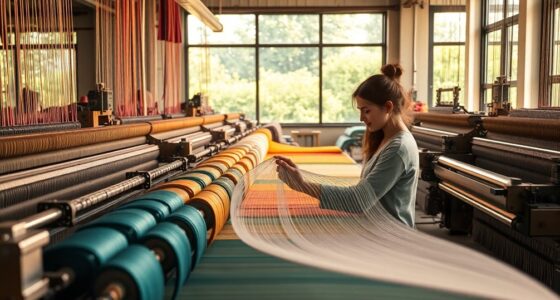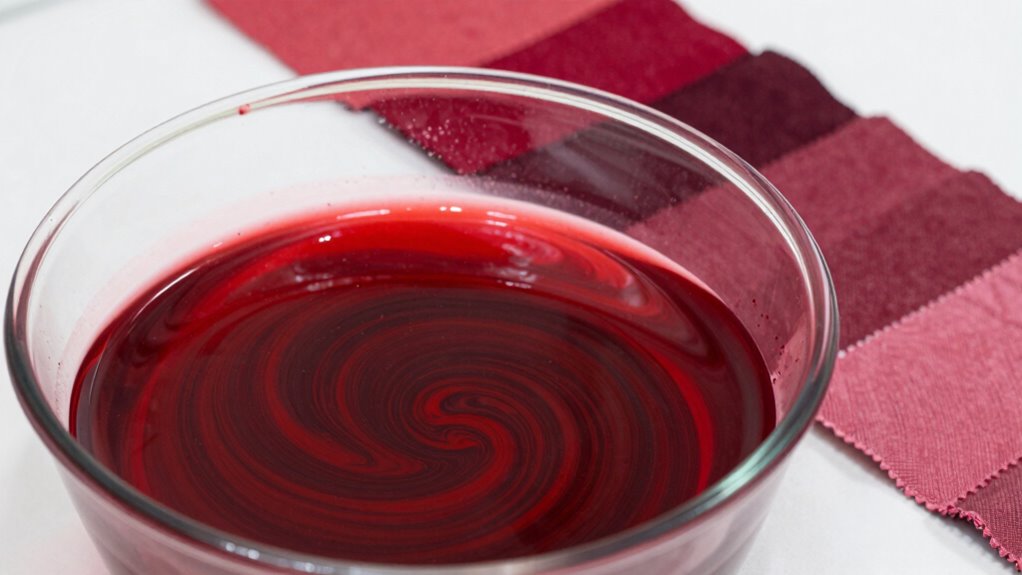

Dope dyeing reduces waste in textile manufacturing by embedding color directly into fibers during extrusion, so you use less water, energy, and chemicals compared to traditional dyeing methods. This process eliminates large dye baths and minimizes wastewater discharge, cutting down environmental pollution. Plus, it enhances color durability, reducing the need for re-dyeing and extending the lifespan of garments. If you want to discover more about how this eco-friendly technique benefits the environment, keep exploring.
Key Takeaways
- Dope dyeing embeds color pigments into fibers during extrusion, eliminating the need for additional dyeing steps.
- It significantly reduces water, energy, and chemical use compared to traditional dyeing processes.
- By avoiding large dye baths, dope dyeing prevents dye wastewater discharge and contamination.
- Embedded colors resist fading, extending garment lifespan and decreasing textile waste.
- It streamlines production, lowering costs and minimizing ecological impact through resource conservation.
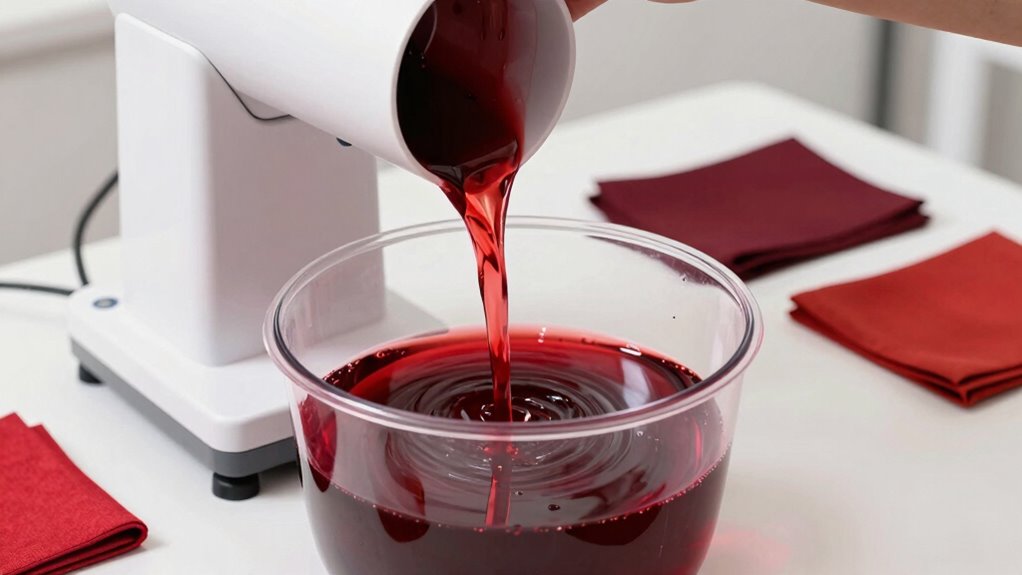
Dyeing plays an essential role in reducing waste in textile manufacturing by enabling more efficient use of materials and minimizing excess production. Among the innovative methods gaining popularity is dope dyeing, which greatly impacts sustainability efforts. Unlike traditional dyeing processes that involve immersing fabrics in large dye baths, dope dyeing introduces color pigments directly into the fiber during extrusion. This process guarantees that the color is embedded throughout the fiber, reducing the need for additional dyeing steps later on. As a result, you benefit from a process that uses less water, energy, and chemicals, aligning with eco-friendly processes that aim to lessen environmental impact.
Dope dyeing embeds color in fibers, reducing water, energy, and chemical use for more sustainable textile production.
One of the main advantages of dope dyeing is its ability to produce fibers with exceptional color fastness. Since the color is integral to the fiber, it resists fading, washing, and exposure to sunlight much better than surface-dyed fabrics. This durability means you don’t need to re-dye or treat the fabric repeatedly, further reducing waste and conserving resources. Better color fastness also translates into garments that maintain their appearance longer, decreasing the frequency of replacement and disposal. This longevity contributes to a circular economy model, where clothing lasts longer and waste is minimized.
By adopting dope dyeing, you’re embracing a process that minimizes water usage and chemical discharge, making it a more sustainable option for textile production. Traditional dyeing often involves large quantities of water and dyes, which can lead to wastewater pollution if not properly managed. In contrast, dope dyeing eliminates or drastically reduces these issues because the dye is incorporated at the fiber level, not after the fabric is produced. This shift not only cuts down on environmental contamination but also lowers production costs over time, making it an economically attractive choice. Additionally, dope dyeing leverages fiber coloration techniques that further enhance environmental benefits. Incorporating sustainable manufacturing practices can amplify these positive impacts, further aligning textile production with environmental goals. Using eco-friendly dyes in other stages of production can also contribute to lowering the overall environmental footprint. Implementing traceability systems can help ensure compliance with environmental standards and demonstrate transparency to consumers.
Furthermore, dope dyeing supports the creation of eco-friendly textiles that align with modern consumer demands for sustainability. With stricter regulations and increasing awareness about environmental impact, manufacturers are looking for cleaner, greener methods. Dope dyeing offers a way to produce vibrant, long-lasting colors while reducing the environmental impact associated with conventional dyeing. The deep, vibrant colors achieved through this process remain consistent over time, ensuring you get durable, beautiful textiles that are environmentally responsible. Overall, dope dyeing stands out as an innovative, sustainable solution that reduces waste, conserves resources, and produces high-quality, long-lasting textiles.

The Fabric Exchange Solid Poly Cotton Fabric by The Yard – 58"/60" Wide, Durable Blend for Apparel, Crafts, Quilting, Linings & Home Décor – White
- Durable Poly Cotton Blend: Soft, breathable, long-lasting fabric
- 58/60 Inch Width: Ideal for large projects
- Easy to Work With: Smooth texture for easy handling
As an affiliate, we earn on qualifying purchases.
As an affiliate, we earn on qualifying purchases.
Frequently Asked Questions
How Does Dope Dyeing Impact Fabric Color Fastness?
You’ll find that dope dyeing enhances fabric color fastness because the dye is added directly into the fiber before spinning. This process improves color retention since the dye penetrates deeply into the fiber, reducing fading over time. As a result, your textiles stay vibrant longer, and you experience less color bleeding or washing out, making dope dyeing a sustainable choice that maintains the fabric’s original hue and quality.
What Types of Fibers Are Suitable for Dope Dyeing?
You can dope dye on synthetic fibers like polyester, nylon, and acrylic because their polymer chains allow for effective fiber blending and dye penetration. Natural fibers, such as cotton or wool, aren’t suitable since dye molecules don’t penetrate as easily, resulting in less vibrant colors. By choosing the right fibers, you guarantee the dye bonds well, leading to consistent color and reduced waste during production.
Are There Any Limitations to Dope Dyeing in Production?
You might find some gentle hurdles with dope dyeing, especially regarding color penetration. Since the dye is added early, achieving deep, vibrant hues can be tricky, limiting color penetration compared to traditional methods. This technique works best with certain fibers, and complex color gradients might not be as seamless. While efficient and eco-friendly, understanding these subtle limitations helps you optimize your production process for stunning, consistent results.
How Does Dope Dyeing Compare Cost-Wise to Traditional Dyeing?
You’ll find that dope dyeing generally has higher manufacturing expenses upfront due to specialized equipment and inks. However, the cost comparison shifts over time because it reduces water, energy, and dyeing process costs associated with traditional dyeing. So, while initial investments are higher, dope dyeing can be more cost-effective long-term, especially when considering environmental benefits and waste reduction.
What Environmental Benefits Does Dope Dyeing Provide Beyond Waste Reduction?
They say, “An ounce of prevention is worth a pound of cure,” and dope dyeing proves this with its environmental perks. By using eco-friendly processes, it minimizes water and energy consumption. Plus, it supports the development of sustainable fibers, reducing chemical runoff and pollution. This method boosts eco-conscious manufacturing, helping you make greener choices while producing vibrant textiles. It’s a smart step toward a healthier planet and a more sustainable industry.
Conclusion
By embracing dope dyeing, you’re quietly turning the tide toward a more sustainable future in textiles. This innovative approach gently minimizes waste and conserves resources, all while maintaining vibrant colors that catch the eye. When you choose this method, you’re not just making a fashion statement – you’re helping to nurture a healthier planet. It’s a subtle shift that promises a brighter, more sustainable tomorrow, one beautifully dyed fiber at a time.