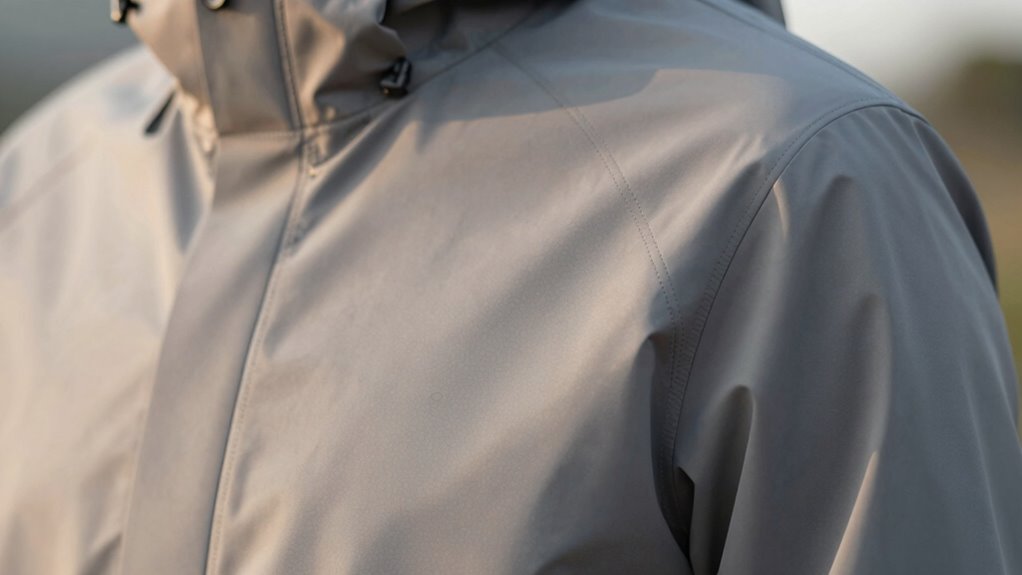

Phase-Change Materials (PCMs) in clothing help you stay comfortable by actively regulating your temperature. They absorb excess heat when you’re hot, melting and storing that energy, then release it when you feel cold, keeping you warm and balanced. This means your garments can respond to changes without bulky layers or constant adjusting. With ongoing improvements, PCM clothes are becoming more durable and eco-friendly, making your wardrobe smarter and more sustainable—if you stay tuned, you’ll discover more about their future potential.

Get your wardrobe favorites delivered free — and shop member deals
- Fast, free delivery on millions of items
- Access to Prime Big Deal Days deals on October 6–7
- Prime Video, Amazon Music and more included
Key Takeaways
- PCM in clothing actively regulates temperature by absorbing and releasing heat, enhancing comfort throughout the day.
- They reduce the need for bulky layers, providing lightweight, adaptable thermal comfort.
- Durable integration allows PCM fabrics to withstand washing and wear over time.
- Using eco-friendly PCM materials promotes sustainable fashion and reduces environmental impact.
- PCM garments offer smarter, responsive clothing suited for fluctuating indoor and outdoor temperatures.
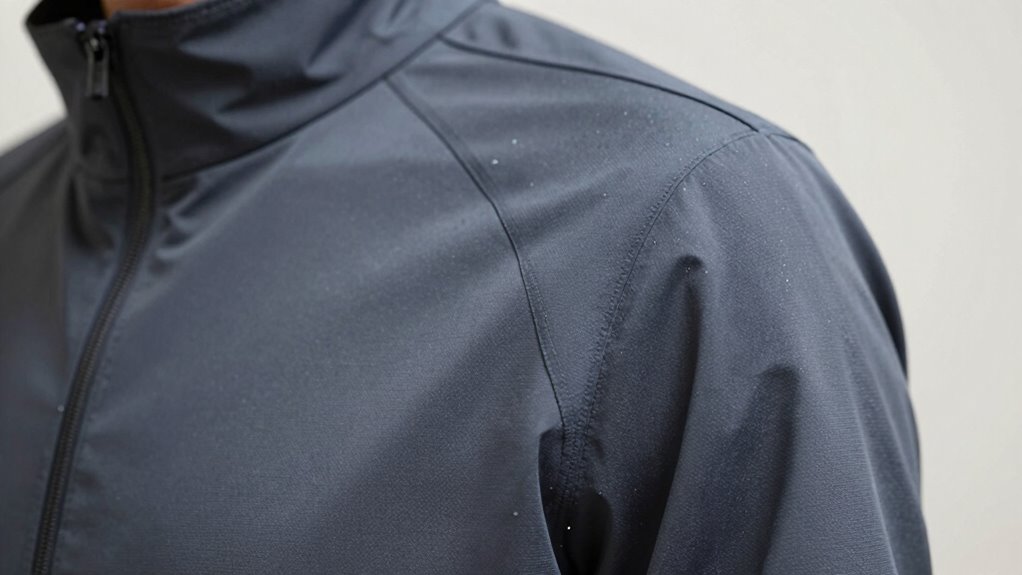
Have you ever wondered how clothing can adapt to changing temperatures? Thanks to advances in material science, phase-change materials (PCMs) are transforming everyday apparel by offering dynamic thermal regulation. These innovative materials absorb, store, and release heat as needed, helping you stay comfortable whether you’re in a chilly office or a warm outdoor setting. When integrated into clothing, PCMs act like tiny thermal buffers, maintaining a steady body temperature without the need for bulky layers or constant adjustments. This means you can move freely and stay comfortable longer, even in fluctuating environments. The key to how PCMs work lies in their ability to undergo phase shifts—shifting between solid and liquid states at specific temperatures. As your body heats up, the material absorbs excess heat, melting in the process and preventing you from overheating. Conversely, when you’re in a cooler environment, the PCM solidifies, releasing stored heat and helping you stay warm. This cycle of heat absorption and release creates a natural, passive form of thermal regulation that can markedly enhance comfort. Unlike traditional fabrics that merely insulate or wick moisture, phase-change materials actively respond to temperature changes, making your clothing smarter and more adaptable. Additionally, research into phase-change materials continues to improve their integration into textiles, ensuring better performance and durability over time. Advances in textile technology now allow PCMs to be embedded into fibers or coated onto fabrics, which enhances their durability and performance. Material durability is an essential consideration when incorporating PCMs into clothing. You need fabrics that can withstand regular washing, stretching, and everyday wear without losing their functionality. Fortunately, advancements in textile technology now allow PCMs to be embedded into fibers or coated onto fabrics without compromising their strength or longevity. These materials are designed to endure repeated thermal cycles and mechanical stresses, ensuring your clothing remains effective over time. Proper integration also prevents the phase-change compounds from leaking or degrading, so your garments continue to perform reliably after multiple washes and extended use. Moreover, ongoing innovations in textile engineering are focused on enhancing the longevity and environmental sustainability of PCM-infused garments. The development of eco-friendly materials is also gaining importance to minimize environmental impact and promote sustainable fashion. Incorporating durable textiles is crucial for maintaining the effectiveness of PCM clothing in everyday use.
phase-change material thermal clothing
As an affiliate, we earn on qualifying purchases.
As an affiliate, we earn on qualifying purchases.
Frequently Asked Questions
How Durable Are Phase-Change Materials in Everyday Wear?
Phase-change materials in everyday clothing are quite durable when it comes to fabric longevity and wear resistance. You’ll find that these materials withstand regular washing and daily activities without losing their thermal properties. While some initial concerns about durability exist, advancements guarantee they maintain their effectiveness over time. Proper care and gentle washing help preserve their performance, making them a reliable choice for active, everyday wear.
Are Phase-Change Materials Safe for Sensitive Skin?
Sure, phase-change materials are generally safe, but if you have sensitive skin, beware—they might cause skin irritation or allergy concerns. You might think they’re as harmless as your favorite hoodie, but some folks could experience redness or itching. Always check the label or do a patch test before diving into a full wardrobe of tech-infused clothes. Better safe than itchy, right?
Can Phase-Change Clothing Be Recycled or Reused?
Yes, phase-change clothing can often be recycled or reused, but it depends on the materials used and local recycling facilities. The environmental impact is generally positive if you reuse garments, reducing waste. However, recycling challenges arise because some phase-change materials are difficult to separate from fabrics or may degrade over time. To make the most eco-friendly choice, look for brands that prioritize sustainable practices and easy recycling options.
How Do Phase-Change Materials Affect Clothing Care and Maintenance?
Phase-change materials impact your clothing care by demanding delicate handling. They assist with temperature regulation and moisture management, but repeated washing can diminish their effectiveness. To maintain their magic, wash on gentle cycles, avoid high heat, and consider air drying. Proper care preserves the clothing’s comfort, ensuring the phase-change properties continue to provide ideal temperature control and moisture management, keeping you cool and dry in daily life.
What Is the Cost Difference Compared to Traditional Fabrics?
The cost comparison shows that phase-change materials (PCMs) typically cost more than traditional fabrics due to their advanced technology. You might pay a premium upfront, but affordability factors like durability and energy savings can offset this over time. While initial prices are higher, investing in PCM clothing offers long-term benefits, making it a worthwhile choice if you’re seeking enhanced comfort and temperature regulation.
Conclusion
As you wear clothes infused with phase-change materials, you’re donning a living, breathing shield—like a gentle, adaptable guardian that whispers comfort through changing seasons. These fabrics symbolize a harmony between science and everyday life, transforming your wardrobe into a sanctuary that responds to your needs. With each shift in temperature, you’re reminded that innovation can seamlessly blend with your daily journey, turning your clothing into a quiet, steadfast partner in your ever-evolving world.
Fall Picks
fall essentials
As an affiliate, we earn on qualifying purchases.