Muslin fabric is a versatile, lightweight cotton that’s great for both sewing and kitchen tasks. In your sewing room, you can use it to draft patterns, test designs, and check drape without wasting expensive fabric. In your kitchen, it works well for straining liquids, wrapping herbs, or making reusable covers thanks to its breathable, natural qualities. Its durability and simple appearance make it a practical choice for many projects—explore further to discover all its uses.

Get your wardrobe favorites delivered free — and shop member deals
- Fast, free delivery on millions of items
- Access to Prime Big Deal Days deals on October 6–7
- Prime Video, Amazon Music and more included
Key Takeaways
- Muslin is a lightweight, breathable cotton fabric ideal for pattern drafting, testing designs, and visualizing garment drape in sewing projects.
- Its fine, smooth weave makes it suitable for creating reusable food covers and straining liquids in the kitchen.
- Historically valued for its durability and cultural significance in textiles across Europe, Asia, and ancient Persia.
- Made from natural, biodegradable cotton, supporting eco-friendly and sustainable practices in both sewing and culinary uses.
- Lighter and softer than linen, muslin serves as a versatile fabric for both delicate sewing prototypes and kitchen tasks.

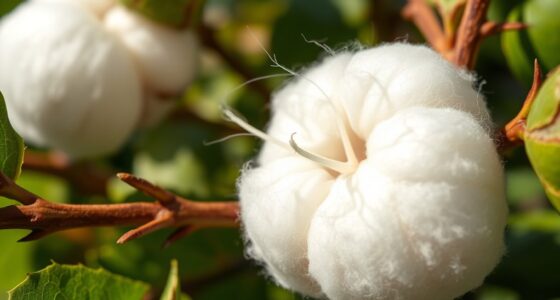
Muslin fabric is a versatile and lightweight cotton material that has been used for centuries in a variety of applications. Its historical usage dates back to ancient Persia and Egypt, where it was prized for its breathable qualities and fine texture. Over time, muslin became popular across Europe and Asia, often serving as a basic fabric for clothing, wrapping, and even architectural purposes. Because of its long-standing history, muslin carries a certain authenticity and tradition that many other fabrics lack. When you compare it to other textiles, muslin stands out for its simplicity and natural qualities. Unlike heavier or more processed fabrics, muslin’s fabric comparison reveals a raw, breathable material that’s easy to work with and adaptable to various uses.
In your sewing projects, you might notice that muslin’s lightweight nature makes it perfect for drafting patterns or testing designs before committing to more expensive fabrics. Its soft drape and ease of manipulation allow you to see how a garment will hang without the risk of wasting costly material. In that sense, muslin acts as a testing ground, helping you perfect your sewing before the final stitch. When you’re working in the kitchen, muslin’s lightweight and breathable qualities make it equally useful. It’s often used for straining liquids, wrapping herbs, or even creating reusable food covers. Its natural cotton composition means it’s safe for food contact, making it an eco-friendly choice for kitchen tasks. Additionally, muslin’s long history of use in different cultures highlights its authenticity and durability, making it a trusted material in various applications. Recognizing the properties of natural fibers can further enhance your appreciation for muslin’s qualities and versatility. Its biodegradability and ability to decompose naturally contribute to its appeal in sustainable practices. A renewable resource that is both functional and environmentally friendly, muslin aligns with eco-conscious lifestyles. Understanding how its natural composition contributes to its breathability and biodegradability underscores why it remains a popular choice in sustainable practices.
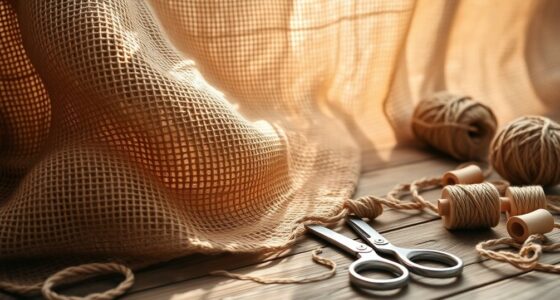
In terms of fabric comparison, muslin is often contrasted with cheesecloth or linen. While cheesecloth might be coarser and more loosely woven, muslin generally offers a finer weave, giving it a smoother feel and more refined appearance. Linen, on the other hand, can be heavier and more textured, but muslin remains lightweight and soft, making it ideal for both delicate sewing projects and fine culinary tasks. Its consistent weave ensures it’s durable enough for multiple uses, whether in the sewing room or the kitchen. Knowing these distinctions helps you choose the right fabric for your project, whether you’re creating a muslin prototype or using it to strain homemade broth. Overall, muslin’s rich history and adaptable qualities make it a staple in many households and craft rooms, appreciated for its simplicity, effectiveness, and natural charm.
muslin fabric for sewing projects
As an affiliate, we earn on qualifying purchases.
As an affiliate, we earn on qualifying purchases.
Frequently Asked Questions
Is Muslin Fabric Suitable for Outdoor Use?
Muslin fabric isn’t ideal for outdoor use because it generally lacks outdoor weather resistance and UV protection potential. If you want something that withstands sun, rain, and wind, you’ll need a more durable, specially treated fabric. Muslin tends to absorb moisture and can fade quickly under sunlight, making it unsuitable for prolonged outdoor exposure. For outdoor projects, look for fabrics specifically designed to handle weather conditions.
How Does Muslin Compare to Cotton in Durability?
Imagine you’re in the 19th century, pondering fabrics—muslin and cotton. Muslin, typically lighter in fabric weight, isn’t as durable as cotton, especially for heavy outdoor use. Cotton offers greater durability due to its thicker weave, making it more resilient over time. Both fabrics are breathable, but muslin’s lighter weight provides superior breathability, ideal for warm weather. If longevity matters, cotton’s your better bet, but for airy comfort, muslin shines.
Can Muslin Be Machine Washed Frequently?
Yes, you can machine wash muslin fabric frequently. It’s durable enough to handle regular laundry, but to maintain its quality, use gentle cycles and cold water. When fabric dyeing or washing, consider thread types—cotton or polyester threads work well—and avoid harsh detergents. This care helps prevent wear and preserves its softness. Proper washing preserves your muslin looking fresh and ensures it remains a versatile, long-lasting fabric for sewing or kitchen use.
What Are Common DIY Projects With Muslin?
You can definitely tackle DIY projects with muslin, even if you’re new to sewing. Many use it for dyeing techniques to create unique textiles or for upholstery applications like slipcovers and cushions. Don’t worry about mistakes—muslin’s forgiving and easy to work with. You might craft custom curtains, wall hangings, or reusable shopping bags. Its versatility makes it perfect for experimenting and turning your creative ideas into reality.
Does Muslin Fabric Shrink After Washing?
Yes, muslin fabric can shrink after washing, especially if it’s untreated or raw. To prevent shrinking during fabric dyeing or textile finishing, wash it in cold water before starting your project. This pre-wash relaxes the fibers, reducing future shrinkage. Always follow fabric care instructions, and consider pre-washing to maintain the size and shape of your muslin projects, whether for sewing or kitchen uses.
Conclusion
So, next time you reach for that muslin fabric, remember it’s more than just a sewing room staple—it’s also your kitchen’s secret weapon. Funny how a simple fabric can link your creative projects and culinary adventures, isn’t it? Maybe it’s no coincidence that muslin’s versatility keeps popping up in places you’d least expect. Embrace its endless possibilities, and you might just find that muslin weaves its way into every part of your life.
Evergreen bestsellers Picks
bestsellers
As an affiliate, we earn on qualifying purchases.