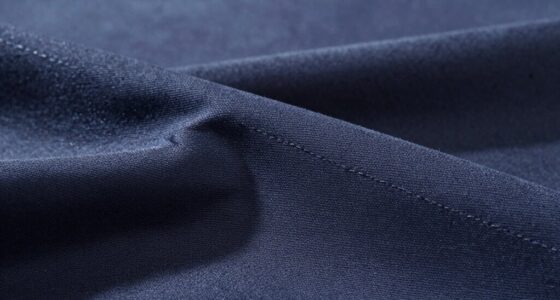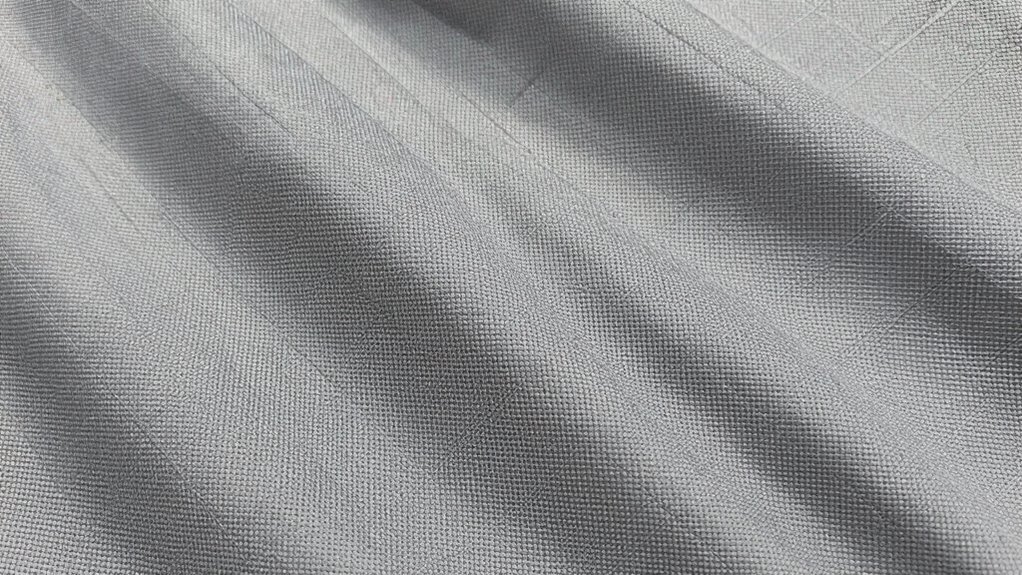

Ripstop fabric is a tough, tear-resistant material made by weaving reinforcing threads at regular intervals into the fabric. This special construction prevents small tears from spreading and keeps the fabric intact even in demanding situations. It’s commonly used in outdoor gear, military uniforms, and performance clothing because of its durability and longevity. If you want to understand how this innovative fabric can stand up to tough conditions, there’s plenty more to discover below.

Get your wardrobe favorites delivered free with Prime
- Fast, free delivery on millions of items
- Prime Video, Amazon Music and more included
- Member-only deals all year
Key Takeaways
- Ripstop fabric is a highly durable material woven with reinforcing threads to prevent tears from spreading.
- Its unique construction makes it ideal for outdoor gear, military uniforms, and performance clothing requiring toughness.
- Modern ripstop uses high-performance fibers like Dyneema and Kevlar for enhanced strength and lightweight design.
- Environmental concerns exist due to synthetic origins, but recycled and biodegradable options are increasingly available.
- When choosing ripstop, consider its resilience, eco-friendliness, and suitability for demanding, long-lasting applications.
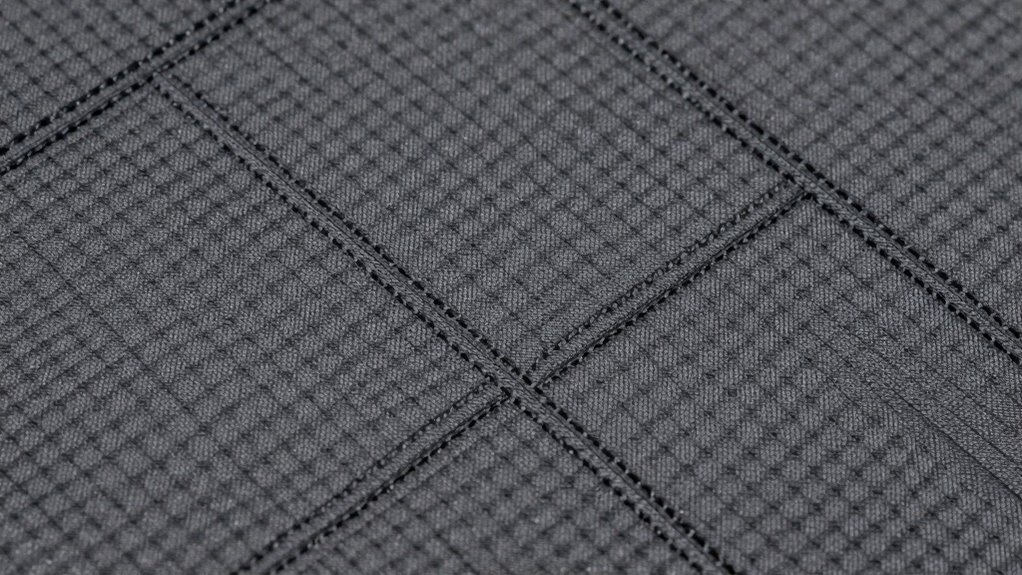
Ripstop fabric is a durable material designed to resist tears and ripping, making it ideal for outdoor gear, military uniforms, and performance clothing. Its unique construction involves reinforcing threads woven at regular intervals into the fabric, which stops tears from spreading and prevents small rips from becoming larger. When you choose ripstop, you’re opting for resilience and longevity in your gear. Understanding its historical development helps you appreciate why it’s become such a staple in demanding environments. Ripstop’s origins trace back to the early 20th century, when military and aviation sectors needed materials that could withstand harsh conditions. Initially, nylon was used, and the fabric was woven with thicker reinforcement threads to improve durability. Over time, advancements in textile technology led to the incorporation of other fibers, such as polyester and, more recently, high-performance materials like Dyneema or Kevlar, which further enhance strength and reduce weight. These developments have expanded ripstop’s application beyond military use to include camping, hiking, and even fashion, making it a versatile choice for various demanding activities. Additionally, ongoing research into sustainable materials continues to influence the evolution of ripstop fabrics, emphasizing environmental impact and eco-friendly manufacturing practices.
As you consider using ripstop fabric, it’s also important to think about its environmental impact. Traditional ripstop fabrics, especially those made from nylon and polyester, are synthetic and derive from petrochemicals, contributing to environmental concerns like pollution and non-biodegradability. Manufacturing processes for these materials can produce significant greenhouse gas emissions, and disposal at the end of their life cycle often results in plastic waste that persists in the environment for hundreds of years. However, recent innovations aim to reduce this impact. Recycled fibers from plastic bottles and other waste are now used to produce eco-friendlier ripstop fabrics, helping lessen the environmental footprint. Additionally, manufacturers are working on biodegradable versions that break down more quickly after disposal, reducing long-term pollution. When you select ripstop gear, it’s worth considering brands that prioritize sustainability and incorporate recycled or eco-friendly materials into their products.
Ultimately, ripstop fabric’s history shows how necessity and innovation have driven its development, making it a reliable choice for those who need tough, long-lasting materials. Its environmental impact remains a concern, but ongoing efforts in recycling and sustainable manufacturing are helping mitigate these effects. By understanding both the historical context and environmental implications, you can make more informed decisions about when and how to use ripstop fabric, ensuring you get the performance you need while being mindful of our planet.
As an affiliate, we earn on qualifying purchases.
Frequently Asked Questions
Can Ripstop Fabric Be Recycled Easily?
Ripstop fabric isn’t easily recyclable due to its synthetic fibers and reinforced weave. You might find that fabric weight and color options affect how it can be disposed of or repurposed, but recycling remains challenging. If you want eco-friendly options, look for biodegradable or natural fabrics. Recycling options depend on local facilities, so check with your community’s recycling guidelines to see if they accept ripstop fabric or similar materials.
How Does Ripstop Fabric Perform in Extreme Weather?
You’ll find ripstop fabric performs well in extreme weather thanks to its weather resistance, which helps it withstand rain, wind, and snow. Its tight weave offers good insulation properties, keeping you warmer in cold conditions. However, it’s not completely waterproof or insulated on its own, so you might need additional layers for severe weather. Overall, ripstop fabric provides reliable durability and protection in challenging environments.
Is Ripstop Fabric Suitable for Everyday Casual Wear?
You might think ripstop fabric is only for rugged outdoor gear, but it’s surprisingly suitable for everyday casual wear. Its fabric aesthetics offer a sleek, modern look, blending durability with fashion versatility. While it’s known for toughness, it also feels comfortable and lightweight, making it an excellent choice for casual outfits. So, you can enjoy both style and practicality, seamlessly integrating ripstop fabric into your daily wardrobe.
What Are the Best Cleaning Methods for Ripstop Fabric?
To clean ripstop fabric effectively, you should use gentle cleaning techniques to preserve its durability. Hand wash with mild detergent or use a gentle cycle on your washing machine. For stain removal, act quickly and spot treat with a soft brush or cloth, applying a stain remover suitable for synthetic fabrics. Avoid harsh chemicals and high heat, as they can weaken the fabric’s fibers and compromise its ripstop properties.
Are There Eco-Friendly Options for Ripstop Fabric?
You can find eco-friendly alternatives that breathe new life into ripstop fabric, like those made from recycled materials or organic fibers. These options support sustainable production, reducing environmental footprints. By choosing these fabrics, you’re weaving a tapestry of change, turning your gear into a proof of care for the planet. Embrace sustainable production, and let your choice of ripstop reflect your commitment to a greener, more resilient world.
Conclusion
So, next time you’re choosing gear or clothing, remember how ripstop fabric’s strength and durability can surprise you. It’s funny how something so lightweight can withstand the toughest conditions, isn’t it? You might find yourself reaching for ripstop more often, trusting it to hold up when you least expect it. Ultimately, its resilience isn’t just a coincidence—it’s the result of smart design working in your favor, ensuring your adventures stay safe and secure.
Columbus Day / Indigenous Peoples' Day Picks
long weekend sales
As an affiliate, we earn on qualifying purchases.