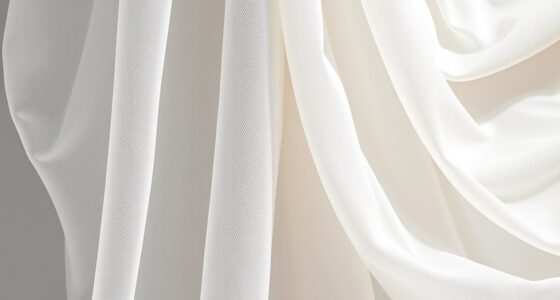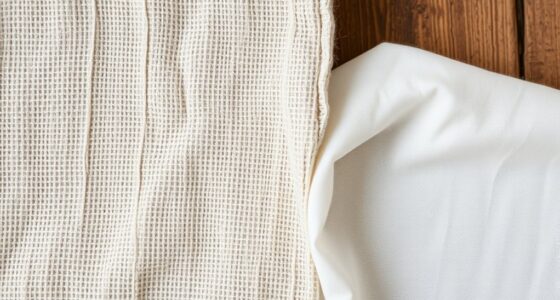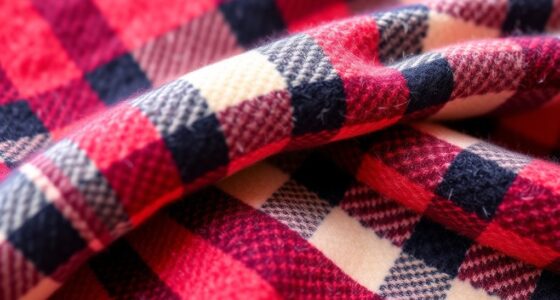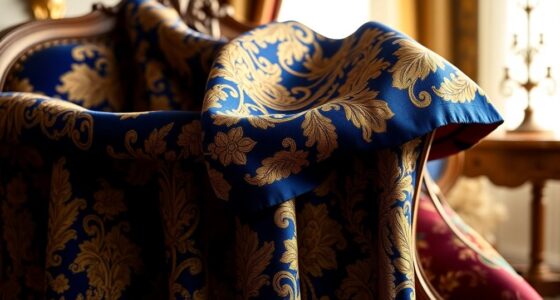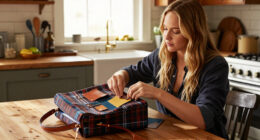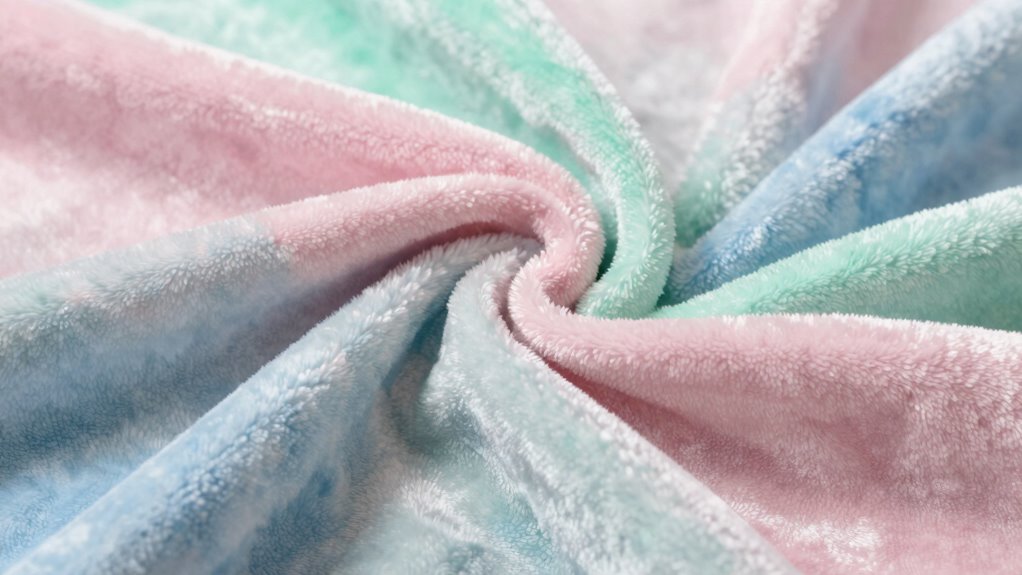

Minky fabric is a plush, velvety material made from dense polyester fibers that feels incredibly soft and smooth. It’s durable, resistant to pilling, and maintains its luxurious texture even after washing. You can use it for baby blankets, plush toys, cozy pajamas, and decorative pillows. Its easy-care nature and versatility make it a favorite for home and fashion projects. If you want to discover more about its features and creative uses, keep exploring for detailed insights.

Get your wardrobe favorites delivered free — and shop member deals
- Fast, free delivery on millions of items
- Access to Prime Big Deal Days deals on October 6–7
- Prime Video, Amazon Music and more included
Key Takeaways
- Minky fabric is a plush polyester material with a soft, velvety surface, known for its luxurious feel and durability.
- It is easy to sew and customize, making it ideal for various craft projects and home decor items.
- Commonly used for baby blankets, plush toys, pillows, and cozy apparel like pajamas and robes.
- Minky resists pilling, maintains softness after washing, and is easy to care for with cold water and low heat.
- Its popularity stems from its comfort, versatility, and luxurious appearance in both functional and decorative projects.
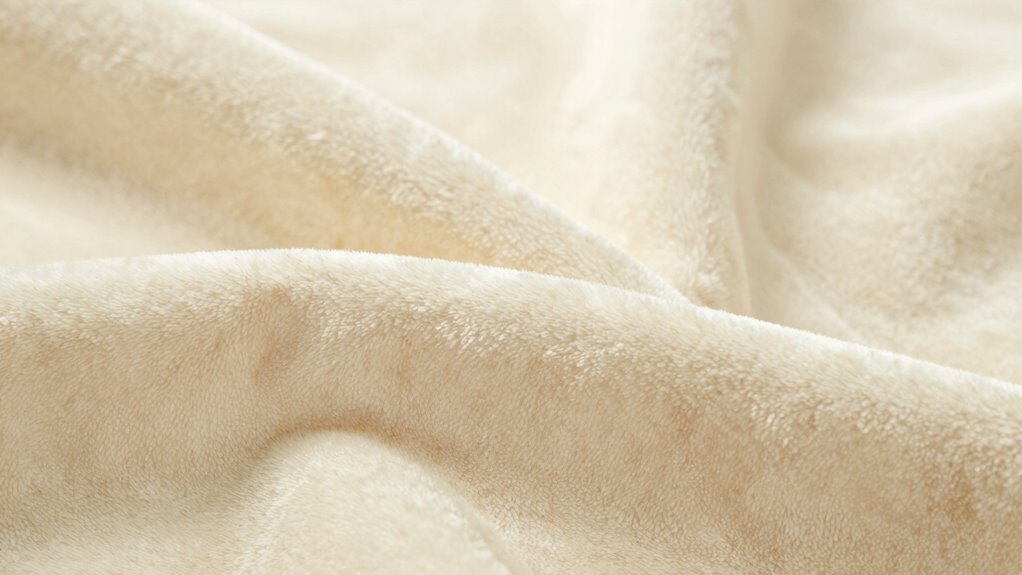
Have you ever wondered what makes minky fabric so popular for cozy blankets and plush toys? The answer lies in its luxury texture and unmatched cozy comfort. When you run your hand across minky, you immediately notice its soft, velvety surface that feels gentle and inviting. This fabric is crafted from plush polyester fibers, giving it a dense pile that creates a smooth, luxurious feel. Its tactile quality makes it a favorite choice for those seeking a touch of indulgence in everyday items. Whether you’re cuddling under a blanket or wrapping a loved one in a plush toy, minky’s plush surface provides a warmth and softness that’s hard to beat.
Minky fabric’s plush, velvety surface offers unmatched softness and cozy comfort for blankets and toys.
Minky fabric’s appeal is rooted in its ability to combine comfort with durability. Unlike other plush fabrics, it resists pilling and maintains its softness even after multiple washes. This resilience makes it ideal for items that will see frequent use, like baby blankets, stuffed animals, or cozy apparel. Its lightweight yet substantial feel allows you to create items that are warm without being heavy, making it perfect for year-round comfort. Plus, its smooth surface makes it easy to sew, cut, and customize, which appeals to crafters and designers alike. Its durability is one of the key reasons it remains a popular choice for long-lasting projects. Additionally, the variety of uses for minky fabric continues to grow as more crafters discover its versatility and plush appeal. Using high-quality minky can also enhance the aesthetic appeal of finished projects, adding a luxurious touch.
The versatility of minky extends to its variety of uses. You can craft luxurious baby blankets that provide gentle warmth and softness for sensitive skin. Its plush texture makes it an excellent choice for creating decorative pillows or plush toys that children will love cuddling. You might also use it for making cozy robes, pajamas, or even bedding accessories that add a touch of elegance to your home decor. Because of its smooth surface, it’s also popular for making tactile accessories like chair cushions or stuffed animals with a premium look and feel. Its ease of maintenance further adds to its appeal, making it a practical choice for busy households. Understanding fabric care is essential to ensure the longevity of your projects and maintain its plush appearance.
In addition to its comfort and aesthetic appeal, minky fabric is easy to care for. You typically wash it in cold water and tumble dry on low heat, which helps preserve its plushness. This practicality, combined with its luxury texture and cozy comfort, ensures that minky remains a top choice for anyone looking to add softness and warmth to their living space or wardrobe. Once you experience the luxurious feel of minky fabric, you’ll understand why it continues to be a favorite for creating items that bring comfort and style into everyday life.
As an affiliate, we earn on qualifying purchases.
Frequently Asked Questions
Is Minky Fabric Suitable for Outdoor Projects?
Minky fabric isn’t ideal for outdoor projects because it lacks outdoor durability and weather resistance. Exposure to rain, sun, and wind can cause it to fade, stain, or deteriorate quickly. If you’re planning an outdoor project, consider fabrics specifically designed for outdoor use, like polyester or acrylic, which are treated for weather resistance. Minky’s softness and warmth make it perfect for indoor items but not suited for outdoor conditions.
How Does Minky Fabric Compare to Fleece?
Minky fabric feels softer and more luxurious than fleece, making it perfect for cozy projects. While fleece offers good thermal insulation and durability, minky provides superior luxury softness, creating a plush, comfortable feel. You’ll love how minky drapes smoothly and adds a touch of elegance, ideal for blankets, baby items, or plush toys. Its plush texture elevates any project, giving you both warmth and a high-end look.
Can Minky Fabric Be Machine Washed and Dried?
Yes, you can machine wash and dry minky fabric, but proper fabric care and washing tips are essential to keep it soft and plush. Use cold or gentle cycle with mild detergent, avoiding bleach or fabric softeners. Tumble dry on low heat or air dry to prevent damage. Always check the care label for specific instructions, and wash minky separately or with similar fabrics to maintain its texture and longevity.
Is Minky Fabric Hypoallergenic?
Think of minky fabric as a gentle lullaby for your skin. It’s often considered hypoallergenic, meaning it’s less likely to trigger fabric allergy concerns. Its soft, plush texture naturally resists dust mites and allergens, making it a great choice if you have sensitive skin or allergies. While it isn’t 100% allergy-proof, its hypoallergenic properties help reduce irritation, offering a cozy, worry-free experience for allergy sufferers.
What Are Common Mistakes to Avoid When Sewing With Minky?
When sewing with minky, avoid common mistakes like not stabilizing the fabric’s stretch, which can cause puckering or uneven seams. Use a stretch needle and a narrow zigzag stitch to maintain seam durability. Also, don’t pull the fabric while sewing, as it may stretch out of shape. Pre-wash your minky fabric to prevent shrinking later. These tips help you achieve smooth, professional-looking projects with lasting seams.
Conclusion
So, after all this, you might think minky fabric is just another cozy material, perfect for snuggling. But don’t be fooled—its softness can be dangerously addictive, tempting you to create more projects than you ever planned. You might start with a simple blanket and end up with a mountain of plush toys and loungewear. Who knew such a humble fabric could turn you into a total textile enthusiast? Happy sewing!
Fall Picks
fall essentials
As an affiliate, we earn on qualifying purchases.