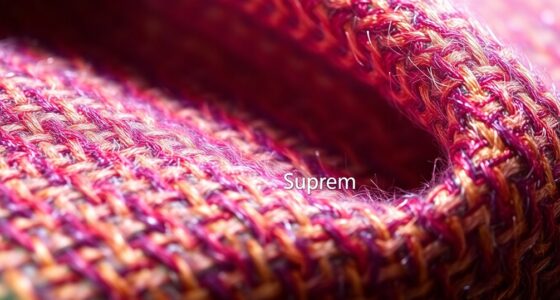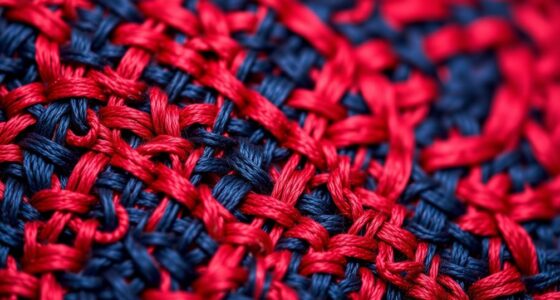
When comparing organza and chiffon, you’ll find that organza is a crisp, sturdy fabric with a glossy finish, making it perfect for structured designs and vibrant colors. Chiffon, on the other hand, is softer, more delicate, and flows beautifully, ideal for romantic, flowing garments. While organza holds its shape well, chiffon offers a gentle drape with subtle hues. If you’re aiming for durability or elegance, understanding these differences helps you choose the right fabric for your project.

Get your wardrobe favorites delivered free — and shop member deals
- Fast, free delivery on millions of items
- Access to Prime Big Deal Days deals on October 6–7
- Prime Video, Amazon Music and more included
Key Takeaways
- Organza is stiffer, more durable, and holds structured shapes better than the softer, more delicate chiffon.
- Chiffon offers a flowing, romantic drape ideal for elegant, layered designs, unlike the crisp appearance of organza.
- Organza exhibits brighter, more vivid colors due to its tightly woven texture, while chiffon tends to have softer, muted tones.
- Organza’s higher tensile strength makes it suitable for projects requiring firmness and shape retention; chiffon is better for lightweight, flowing styles.
- Both fabrics are sheer and lightweight but differ in texture, durability, color vibrancy, and optimal use in fashion and décor.
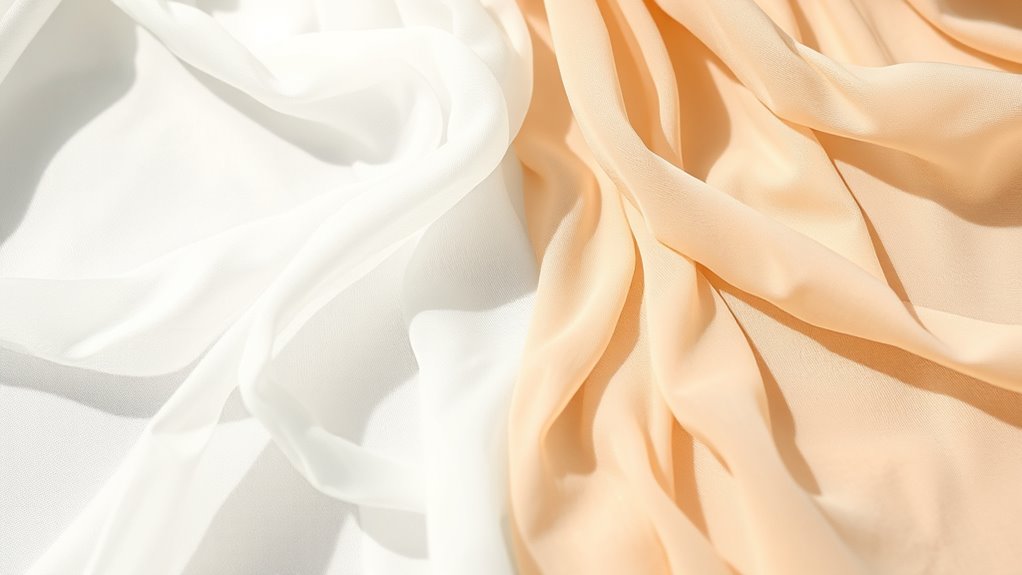
When choosing between organza and chiffon for your clothing or event decor, understanding their differences is essential. These fabrics may both be sheer and lightweight, but their characteristics set them apart, influencing how they look, feel, and behave. One key aspect to contemplate is tensile strength, which determines how durable and resistant each fabric is to tearing or stretching. Organza is known for its higher tensile strength, making it sturdier and less prone to wrinkling or snagging. This durability allows it to hold structured shapes well, making it ideal for formal gowns, overlays, or decorative accents that require a crisp, firm appearance. Chiffon, on the other hand, has a lower tensile strength, lending it a softer, more delicate drape. While it’s more prone to wrinkling and tearing under stress, its flexibility allows for fluid movement, perfect for flowing dresses or scarves that emphasize grace and ease. Additionally, understanding the strength and resilience of fabrics helps you select the right material for your project’s longevity and appearance.
Color options are another crucial factor. Both fabrics come in an array of colors, but the way they hold dye differs slightly. Organza tends to showcase brighter, more vivid hues because its tightly woven, slightly stiff texture accepts dyes well, resulting in vibrant, long-lasting color. It’s a good choice if you want bold, eye-catching shades for your event or wardrobe. Chiffon also offers a broad spectrum of colors, but because it’s softer and more porous, it sometimes appears more muted or sheer in certain shades. This quality can lend chiffon a subtle, understated elegance, especially suitable for softer pastel palettes or romantic designs. Additionally, chiffon’s lighter, more transparent appearance allows for layering with other fabrics or colors, creating depth and dimension in your outfit or decor.
Both fabrics are versatile and beautiful, but your choice depends on the look and function you desire. If you need a fabric that’s tougher, holds its shape well, and offers punchy, bright color options, organza is your best bet. It’s perfect for structured designs or decor that needs to stand out. Conversely, if you’re after a fabric with a gentle, flowing quality, and don’t mind more delicate handling, chiffon provides that airy, romantic vibe, especially when you want subtle color variations and an effortless drape. Knowing the tensile strength and color options helps you make an informed decision tailored to your specific needs, ensuring your project looks polished, elegant, and appropriate for the occasion.
Frequently Asked Questions
Which Fabric Is More Suitable for Summer Wear?
You should choose chiffon for summer wear because it offers better breathability compared to organza, keeping you cooler. Chiffon’s lightweight and soft texture make it comfortable in hot weather, plus it provides style versatility for both casual and formal outfits. Organza, being stiffer and less breathable, is less suitable. So, for comfort and diverse styling, chiffon is the ideal summer fabric choice.
How Do I Properly Care for Organza and Chiffon?
To properly care for organza and chiffon, you need to focus on gentle fabric maintenance and proper cleaning techniques. Hand wash both fabrics in cold water with mild detergent, avoiding wringing to prevent damage. For drying, lay them flat on a towel or hang them to air dry, away from direct sunlight. Iron on low heat with a pressing cloth, and avoid machine drying to keep your delicate fabrics looking their best.
Are Organza and Chiffon Eco-Friendly Fabrics?
Think of organza and chiffon as delicate butterflies—beautiful but needing careful handling. Both fabrics can be eco-friendly if produced sustainably, with some organza made from natural fibers like silk or hemp. Chiffon often uses biodegradable fibers, making it a greener choice. Look for brands that prioritize sustainable production to guarantee your fabrics have a lower environmental impact. Your choices can help support eco-friendly fashion while enjoying sheer elegance.
Can These Fabrics Be Used for Activewear?
You can use organza and chiffon for activewear, but keep in mind their fabric durability and breathability. Chiffon offers better breathability, making it more comfortable during workouts, while organza tends to be less breathable. However, organza is more durable and resistant to wear. For activewear, chiffon might be a better choice if breathability is your priority, but both fabrics require careful handling to maintain their quality during active use.
What Are the Cost Differences Between Organza and Chiffon?
You’ll find that chiffon usually costs less than organza, thanks to its lighter fabric weight and simpler dyeing process. Imagine delicate, flowing layers that shimmer softly—chiffon’s affordability makes it accessible for many projects. Meanwhile, organza’s stiffer texture and intricate dyeing process drive up its price. So, as you choose between them, consider these cost differences and how their unique qualities fit your creative vision.
Conclusion
Now that you see how organza and chiffon each shine in their own way, choosing between them is like picking a star for your fashion constellation. Organza’s crisp elegance adds structure, while chiffon’s gentle flow offers effortless grace. Think of them as two dance partners—each perfect for different moves. Whichever you pick, remember, your choice is the brushstroke that completes your stylish masterpiece. Let your fabric choice be the star that shines brightest in your wardrobe!
Fall Picks
fall essentials
As an affiliate, we earn on qualifying purchases.