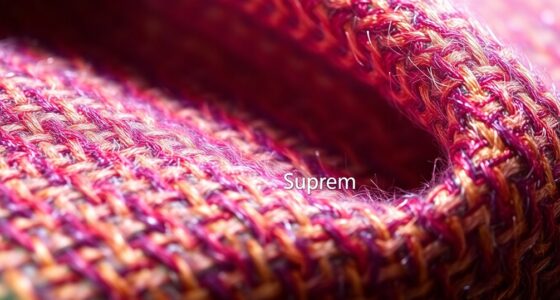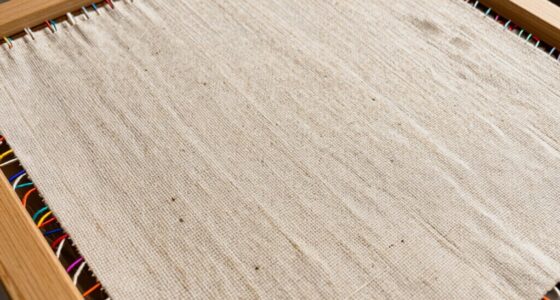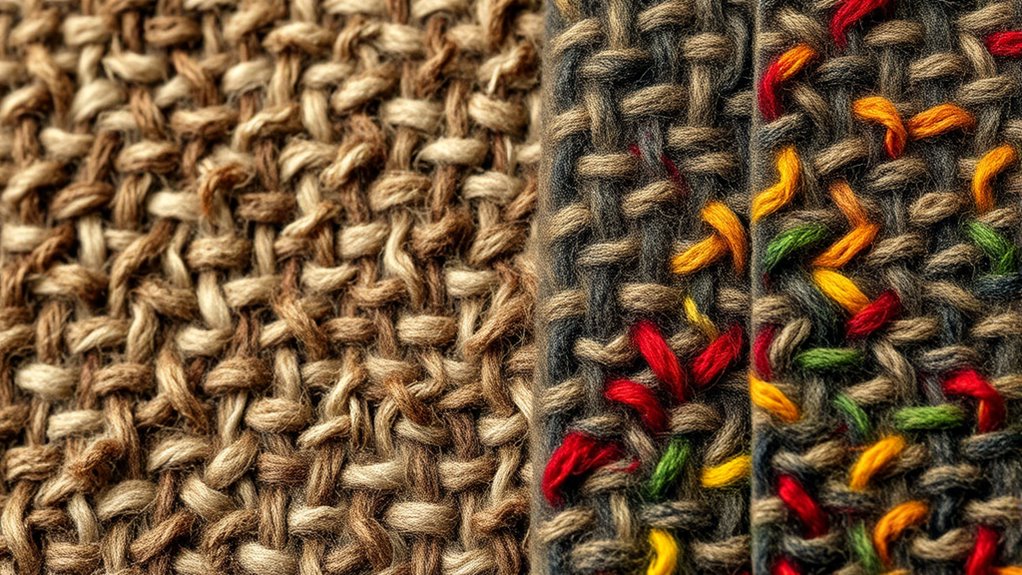

Tweed fabrics like Harris, Donegal, and others showcase rich regional craftsmanship, blending centuries-old tradition with modern techniques. Harris Tweed, made exclusively in the Outer Hebrides, is known for its hand-loomed texture, while Donegal features colorful flecks from blended dyed wool. These fabrics are valued for their durability, textured appearance, and cultural significance. If you want to explore how each variation reflects its unique heritage and craftsmanship, continue exploring these iconic textiles.

Get your wardrobe favorites delivered free — and shop member deals
- Fast, free delivery on millions of items
- Access to Prime Big Deal Days deals on October 6–7
- Prime Video, Amazon Music and more included
Key Takeaways
- Harris Tweed is a premium handwoven fabric made exclusively in the Outer Hebrides using traditional techniques.
- Donegal Tweed is known for its colorful flecks, created by blending dyed wool fibers from Irish sheep.
- Regional variations reflect local craftsmanship, environmental influences, and unique weaving styles across different areas.
- Tweed fabrics are crafted from high-quality wool, with methods ranging from traditional handlooms to modern machinery.
- The enduring appeal of tweed combines heritage, durability, and versatility, making it a timeless choice in fashion and textiles.
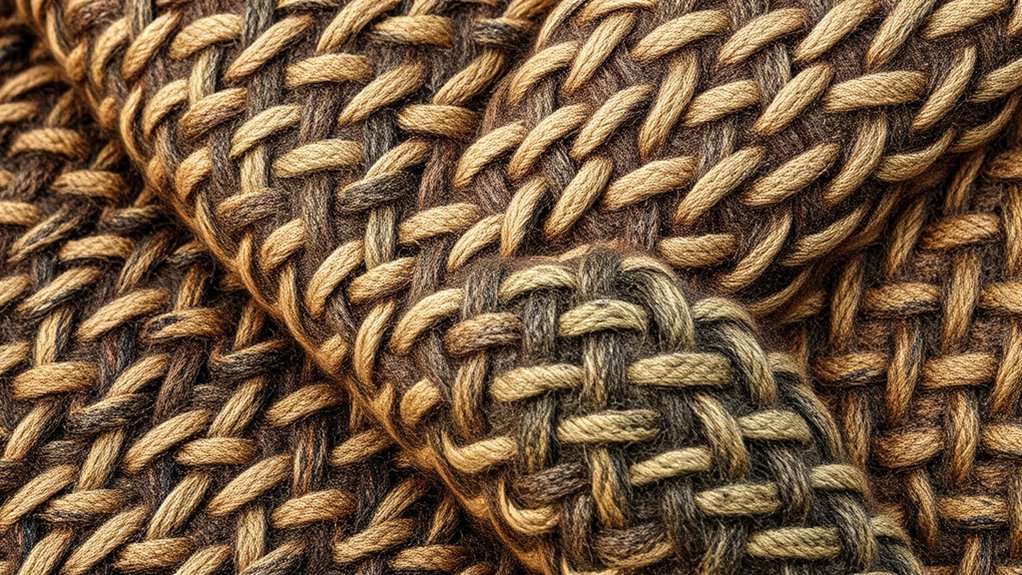
Have you ever wondered what makes tweed fabrics so timeless and versatile? It all comes down to their fascinating history evolution and the unique manufacturing techniques behind them. Tweed’s origins trace back centuries, rooted in the Scottish and Irish countryside, where local farmers crafted sturdy, warm fabrics suited for rugged outdoor life. Over time, tweed evolved from practical workwear into a symbol of sophistication, thanks in part to its durability and distinctive textured appearance. Its rich history is intertwined with the rugged landscapes and local traditions, giving each piece a sense of authenticity and heritage.
The evolution of tweed fabrics reflects both technological advancements and changing fashion trends. Originally, tweed was woven on traditional handlooms, using coarse wool fibers that created a rough, nubby surface. As industrialization progressed, manufacturing techniques improved dramatically. Machines allowed for tighter, more consistent weaves, which enhanced fabric strength and refined its appearance. Despite these advances, many producers maintained traditional methods, preserving the fabric’s characteristic texture and rustic charm. This blend of old and new has helped tweed remain relevant across generations, balancing heritage with innovation.
Manufacturing techniques play a pivotal role in defining tweed’s distinctive look and feel. The process begins with selecting high-quality wool, often from local sheep breeds known for their fine fibers. The wool is then cleaned, carded, and spun into yarn. The weaving process can vary—some tweeds are woven with a plain weave, while others utilize more complex patterns like herringbone or houndstooth. The characteristic texture of tweed results from adding different colored wool fibers during the dyeing process, creating a speckled or heathered appearance. Traditional methods often involve hand-loom weaving, which produces a more textured surface, while modern techniques leverage power looms for efficiency and consistency. Additionally, the regional variations in manufacturing techniques further influence the fabric’s unique qualities. The process of dyeing and blending wool fibers in regions like Harris and Donegal, for example, creates distinctive styles that highlight local craftsmanship and environmental influences. Harris tweed, for example, is made exclusively in the Outer Hebrides using traditional hand-loom methods and pure virgin wool. Donegal tweed is renowned for its colorful flecks, achieved by blending wool dyed in various shades before weaving. These regional variations showcase how manufacturing techniques, combined with local climate and sheep breeds, give each tweed a distinctive character. Whether crafted on century-old looms or modern machinery, the enduring appeal of tweed lies in its rich history, innovative production methods, and the craftsmanship that transforms raw wool into a fabric celebrated worldwide.
Frequently Asked Questions
What Are the Environmental Impacts of Tweed Production?
You might be concerned about the environmental impacts of tweed production, and it’s true that traditional methods can be resource-intensive. However, eco-friendly dyes help minimize chemical pollution, and water conservation efforts reduce water usage during manufacturing. By choosing producers who prioritize sustainable practices, you support a more environmentally conscious process, ensuring that your tweed purchases contribute less to pollution and resource depletion.
How Do I Care for Vintage Tweed Garments?
Did you know that properly caring for vintage tweed garments can double their lifespan? To keep your vintage tweed looking its best, avoid frequent washing and opt for spot cleaning or airing. Store it in a cool, dry place, ideally on a padded hanger to maintain shape. Regularly brush off dirt and moths, and have it professionally dry cleaned when needed to guarantee proper garment preservation.
Are There Sustainable Tweed Options Available?
Yes, sustainable tweed options are available. You can find eco-friendly sourcing and fabrics made from recycled fibers, reducing environmental impact. Look for brands that prioritize ethical practices and transparent supply chains. These eco-conscious options often use natural dyes and sustainable production methods. By choosing sustainable tweed, you support environmentally responsible fashion while enjoying the timeless appeal of this classic fabric.
How Does Tweed Compare to Other Wool Fabrics?
Tweed stands out like a trusty oak among other wool fabrics, thanks to its unmatched durability and traditional craftsmanship. You’ll find it more resilient and long-lasting, making it ideal for enduring wear. Compared to finer wool options, tweed offers a rugged charm and textured appeal that ages beautifully. If you seek a fabric that marries history with strength, tweed is your best choice, standing the test of time with grace.
Can Tweed Fabrics Be Customized for Tailored Suits?
Yes, you can customize tweed fabrics for tailored suits. Tweed fabric durability makes it ideal for long-lasting pieces, while the wide range of tweed color options allows you to choose shades that suit your style. Customization options may include selecting specific patterns, weights, and finishes, ensuring your suit fits your needs perfectly. This flexibility helps you create a unique, stylish look with a fabric known for its resilience.
Conclusion
So, now you know the charm of tweed fabrics like Harris and Donegal. These timeless textiles bring a touch of classic style, perfect whether you’re dressing up or keeping it casual. Think of tweed as your fashion secret weapon—more versatile than a Swiss Army knife, yet just as reliable. Embrace the heritage, and let your wardrobe tell a story as rich as a Gatsby soirée. After all, good taste never goes out of style.
Fall Picks
fall essentials
As an affiliate, we earn on qualifying purchases.