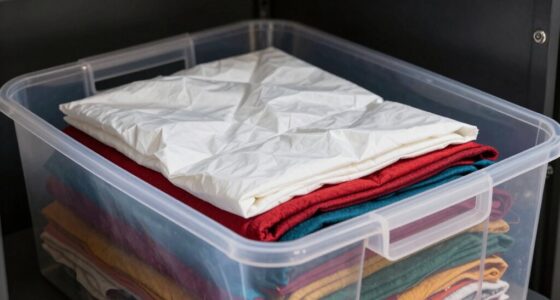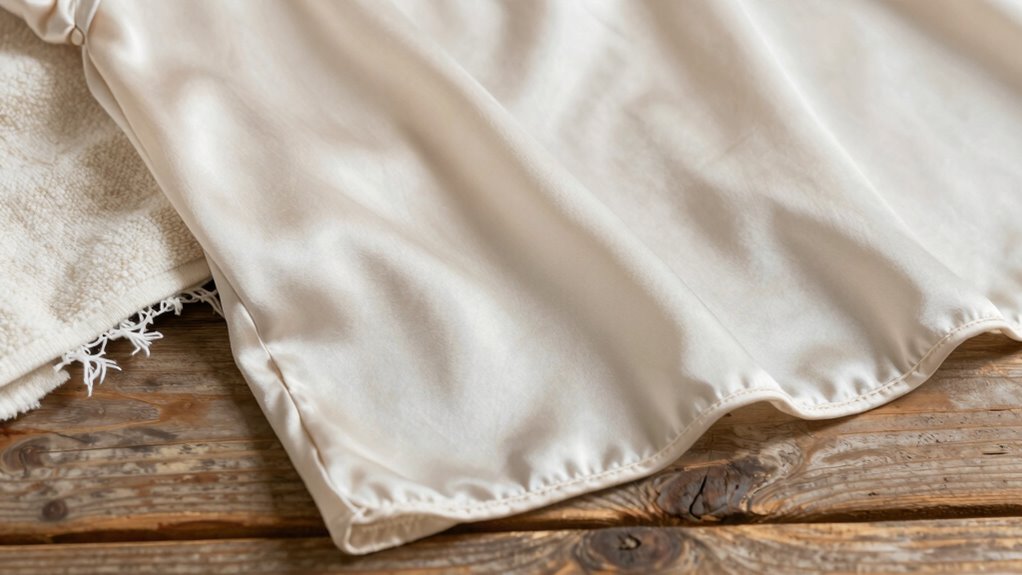

Fabric softeners may seem helpful, but they’re not right for every textile because their chemicals can damage delicate fabrics, reduce breathability, and weaken fibers over time. You might notice stiffness, discoloration, or loss of absorbency, especially in microfibers, athletic wear, or natural fibers like cotton and wool. Using softeners improperly can shorten your textiles’ lifespan and compromise their performance. If you want to understand which fabrics to protect and how, keep exploring the details.

Get your wardrobe favorites delivered free — and shop member deals
- Fast, free delivery on millions of items
- Access to Prime Big Deal Days deals on October 6–7
- Prime Video, Amazon Music and more included
Key Takeaways
- Softeners can clog fibers or pores, reducing breathability and moisture-wicking properties in delicate or technical textiles.
- Chemical reactions from softeners may weaken fibers, causing brittleness, pilling, and reduced durability over time.
- Sensitive fabrics like microfiber, athletic wear, or towels may lose their primary functions, such as absorbency or moisture management.
- Coatings from softeners can cause discoloration, stiffness, and surface damage, compromising fabric appearance and performance.
- Not all textiles respond well to softening agents; improper use can diminish fabric quality and shorten lifespan.

Have you ever wondered how fabric softeners make your clothes feel so smooth and cozy? It’s all thanks to chemical reactions that occur during the softening process. When you add fabric softener to your laundry, it interacts with the fibers in your textiles, coating them with conditioning agents. These agents are designed to reduce static, soften the fabric, and make ironing easier. But not all textiles respond well to this treatment. The chemical reactions involved can sometimes have unintended consequences, especially when it comes to preserving the integrity of certain fabrics.
Fabric softeners improve comfort through chemical reactions, but can harm delicate fabrics and reduce durability over time.
For delicate or technical textiles, applying fabric softener might do more harm than good. Fabrics like microfiber, athletic wear, or moisture-wicking materials are engineered with specific properties that can be compromised by softening agents. The coating from fabric softeners can clog the tiny fibers or pores, diminishing their breathability or moisture management capabilities. Over time, this can lead to a reduction in fabric performance, making your high-tech clothing less effective and less durable. In these cases, the protective layer created by softeners interferes with the fabric’s original functionality, which defeats their purpose. Additionally, some fabrics are more sensitive to chemical buildup, which can cause discoloration or stiffness.
Furthermore, the chemical reactions initiated by fabric softeners can influence fabric durability. Softening agents often contain chemicals that, while beneficial in softening, may weaken fibers with repeated use. These chemicals can cause fibers to become brittle or prone to breakage, especially in natural fabrics like cotton or wool. The long-term effect is a gradual degradation of the textile, leading to holes, pilling, or thinning fabric. You might notice your favorite shirt doesn’t last as long as it used to after frequent softening treatments. This deterioration isn’t just cosmetic; it compromises the fabric’s strength and lifespan. Proper fabric care practices can help mitigate these issues and prolong textile longevity. Being aware of chemical interactions can also help you choose gentler laundry options for sensitive textiles. Recognizing how chemical buildup impacts fabric quality can guide you in making more informed laundry decisions.
Certain textiles, such as towels or items with a high absorbency requirement, may also suffer from using fabric softeners. The coating can reduce their ability to soak up water, which defeats their primary purpose. Plus, some fabrics are more sensitive to the chemicals in softeners, leading to discoloration or fabric stiffening rather than softness. If you care about maintaining the original qualities of these textiles, it’s better to avoid fabric softeners altogether. Recognizing fabric-specific needs is crucial for effective laundry care.
In essence, while fabric softeners can make your clothes feel plush and comfortable, they’re not suitable for every textile. Their chemical reactions can alter fabric properties and diminish durability over time. Knowing which fabrics to treat and which to avoid helps you extend the life of your textiles and keep them performing at their best. Additionally, understanding the interactions between chemicals and fibers can guide you in making better laundry choices.
fabric softener alternatives for delicate fabrics
As an affiliate, we earn on qualifying purchases.
As an affiliate, we earn on qualifying purchases.
Frequently Asked Questions
Can Fabric Softener Cause Allergies or Skin Irritation?
Yes, fabric softener can cause allergies or skin irritation, especially if you’re sensitive or have skin sensitivities. It may contain fragrances and chemicals that act as allergy triggers, leading to redness, itching, or rashes. If you notice irritation after using softener, consider switching to hypoallergenic options or skipping it altogether. Always read labels carefully and test new products on a small skin area first to avoid reactions.
Does Fabric Softener Affect the Breathability of Activewear?
Using fabric softener on activewear can subtly influence its breathability. It may reduce moisture retention, making your gear less effective at wicking sweat away. Additionally, it can cause material stiffness over time, which might hinder your comfort and movement. For peak performance, it’s best to skip softeners and opt for gentle, sports-specific detergents. This way, your activewear stays breathable, flexible, and ready to support your active lifestyle.
Is Fabric Softener Safe for All Types of Synthetic Fabrics?
Fabric softener isn’t safe for all synthetic fabrics because it can leave chemical residue and cause fabric buildup. This buildup may reduce the fabric’s elasticity and breathability, especially in activewear or technical textiles. You should check the care label first, and if the fabric is delicate or prone to damage, avoid using softeners. Instead, opt for natural alternatives like vinegar to keep your synthetic fabrics soft without risking damage.
How Does Fabric Softener Impact the Environment?
Fabric softener can be a double-edged sword for the environment, like a wolf in sheep’s clothing. It often contains chemicals that contribute to manufacturing pollution and can harm aquatic life when washed away. To reduce your impact, consider eco-friendly alternatives like vinegar or baking soda. These options help keep your clothes soft without adding to pollution, making your laundry routine kinder to the planet.
Can Fabric Softener Damage Delicate or Vintage Textiles?
Yes, fabric softener can damage delicate or vintage textiles. It may interfere with gentle washing and compromise textile preservation, especially on fragile fabrics. Softeners can leave residues that weaken fibers or cause discoloration over time. To protect your vintage or delicate items, avoid using fabric softener altogether. Instead, opt for gentle, eco-friendly alternatives that preserve the integrity and longevity of your textiles, ensuring they stay beautiful longer.
Conclusion
Just as Icarus learned, sometimes reaching too high can lead to a fall. When it comes to fabrics, using softener on every textile isn’t always wise—some materials need a gentle touch or none at all. Remember, not every fabric is a feather to be softened, but a woven story that deserves its natural strength. Choose wisely, and your textiles will tell their true story, unburdened by unnecessary additives.
Fall Picks
fall essentials
As an affiliate, we earn on qualifying purchases.