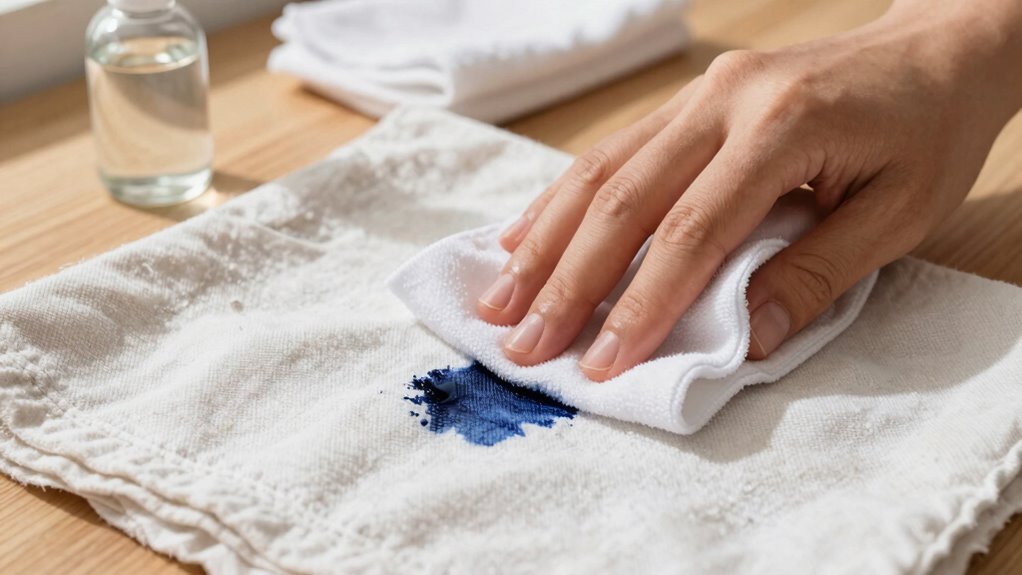

To remove ink stains from fabric, act quickly and blot—don’t rub—to prevent the stain from settling deeper. Use appropriate treatments based on your fabric type: alcohol or hand sanitizer for cotton and denim, and milder solutions like diluted dish soap for delicate fabrics. Rinse with cold water from the back and follow with regular washing. For stubborn stains, repeat the process or try specific stain removers. Keep in mind that careful, gentle handling will improve your chances of success as you explore more effective techniques.

Get your wardrobe favorites delivered free — and shop member deals
- Fast, free delivery on millions of items
- Access to Prime Big Deal Days deals on October 6–7
- Prime Video, Amazon Music and more included
Key Takeaways
- Act quickly by blotting excess ink without rubbing to prevent spreading the stain.
- Test cleaning solutions like rubbing alcohol or dish soap on hidden fabric areas first.
- Rinse the stain with cold water from the back to push ink out of the fibers.
- Use appropriate stain removers or solvents based on fabric type, then wash as usual.
- Check the stain before drying, repeating treatments if necessary to ensure complete removal.
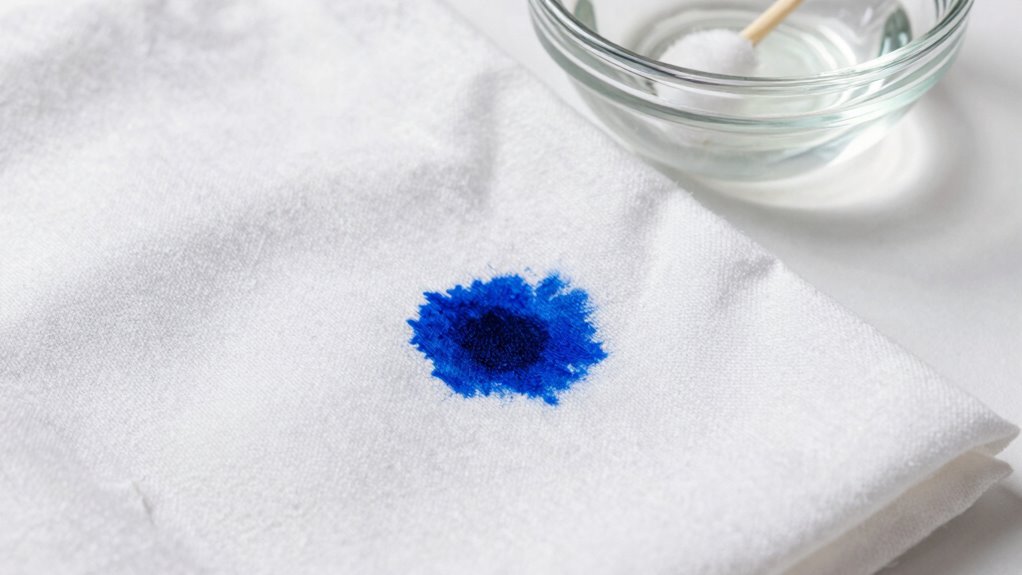
Ink stains can be stubborn, but with the right techniques, you can often remove them from fabric effectively. The key is understanding how different fabric types respond to stain removal methods and taking steps to prevent future ink mishaps. First, identify the fabric you’re dealing with, as delicate materials like silk or wool require gentler approaches, while cotton or denim can handle more robust treatments. Knowing your fabric type helps you choose the safest, most effective method to lift the ink without causing damage. To prevent stains from setting in, act quickly—dabbing at the spill rather than rubbing spreads the ink further into the fibers and makes removal more difficult later. When you’re aware of the fabric’s properties, you can select appropriate stain prevention techniques, such as testing cleaning solutions on a hidden area first.
Once you’ve identified your fabric type, start by blotting excess ink with a clean cloth or paper towel, avoiding rubbing, which can spread the stain or embed it deeper. For fabrics like cotton and linen, you can often begin with a simple treatment of rubbing alcohol or hand sanitizer. Apply a small amount directly onto the stain, letting it sit for a few minutes before blotting again. For more delicate fabrics such as silk or rayon, opt for a gentle solvent like diluted dish soap or a specialized stain remover designed for delicate textiles. Always remember to test any solution on a small, inconspicuous area first to prevent discoloration or fabric damage. Additionally, understanding market trends and insights can help you choose the most effective stain removal methods based on current techniques and products available. Being aware of fabric care guidelines is also crucial to avoid damaging your clothing during stain removal. Furthermore, using the right stain removal tools can make the process more efficient and reduce the risk of accidental damage.
In addition to chemical treatments, you can try rinsing the stain with cold water from the back of the fabric to push the ink out. Follow this with a wash using your usual detergent, but check the stain before drying—if it persists, repeat the process. For stubborn stains, combining a few steps might be necessary, like soaking the fabric in a mixture of cold water and a stain remover or using commercial ink stain removers. Incorporating proper stain removal tools can make the process more efficient and effective. To enhance stain prevention, consider regular pre-treatments on fabrics prone to ink stains or keeping ink away from areas where accidents happen most. It’s also helpful to stay informed about regulatory changes affecting cleaning products, as they can influence the safety and effectiveness of the solutions you use. You’ll find that being proactive and gentle with your fabrics not only prevents future stains but also extends the life of your clothing. With patience and proper technique, even tough ink stains don’t stand a chance against your efforts.
As an affiliate, we earn on qualifying purchases.
Frequently Asked Questions
Can I Remove Ink Stains From Vintage or Delicate Fabrics?
You can remove ink stains from vintage or delicate fabrics, but you must be gentle to protect fabric care. Test any stain removal method on a hidden area first to prevent damage. Use mild solutions like rubbing alcohol or specialized stain removers carefully, and avoid harsh scrubbing. Remember, stain prevention is best, so act quickly and always follow fabric care instructions to keep your delicate fabrics in good condition.
How Long Should I Wait Before Treating Ink Stains?
You should treat ink stains as soon as possible to prevent chemical reactions from setting the stain deeper into the fabric. Waiting too long reduces your chances of successful stain removal and can lead to permanent damage. Quick action helps with stain prevention, making it easier to lift the ink. The sooner you address the stain, the more likely you’ll be able to preserve your fabric’s appearance and avoid costly cleaning.
Are There Natural Remedies for Ink Stain Removal?
You can definitely fight ink stains with natural remedies! Homemade solutions like mixing equal parts of lemon juice and baking soda create a powerful cleaning paste, while herbal remedies such as aloe vera or tea tree oil can help lift the stain gently. These natural options are gentle yet effective, turning your stain battle into a victory. Give them a try, and you’ll be amazed at how well they work without harsh chemicals!
What Should I Do if the Stain Persists After Treatment?
If the stain persists after treatment, you should consider repeating the cleaning process, especially for stubborn ink stains on delicate fabric or dark fabric colors. Use a gentle solvent like rubbing alcohol or a commercial stain remover, and test it on a small, hidden area first. Sometimes, multiple applications are necessary. For persistent stains, professional cleaning might be your best option to avoid damaging the fabric or worsening the stain.
Is It Safe to Use Bleach on Ink-Stained Fabrics?
Using bleach on ink-stained fabrics isn’t generally safe because bleach can cause harmful chemical reactions, weakening the fabric or setting the stain further. Always follow safety precautions, like testing on a small hidden area first and wearing gloves. Instead, opt for gentler solutions like rubbing alcohol or vinegar. These alternatives are safer and effective, reducing the risk of damage while helping lift the ink stain.
Conclusion
Now that you’ve learned how to tackle ink stains, you’re like a skilled painter cleaning their palette—ready to erase any unwanted splashes. Remember, quick action is your best brushstroke, so don’t wait. With patience and the right techniques, you can turn a stained fabric into a blank canvas once again. Just keep your tools handy and approach each stain with confidence—you’ll be surprised how easily you can restore your fabric to its original beauty.
Fall Picks
fall essentials
As an affiliate, we earn on qualifying purchases.