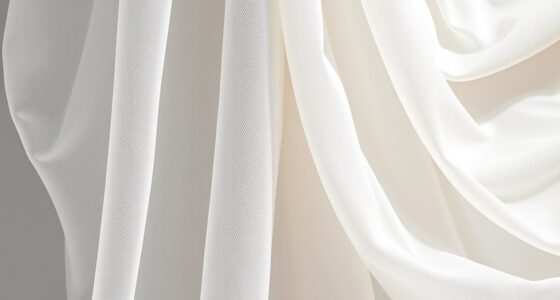
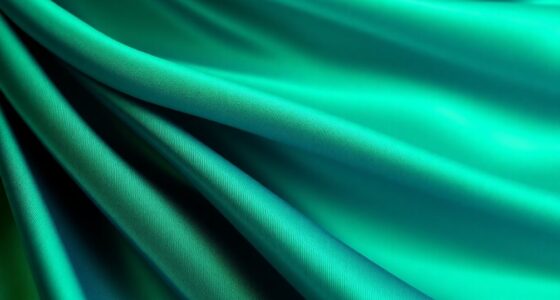
Velour and velvet differ mainly in texture and origin. Velvet, traditionally made from silk, has a dense, shiny surface that exudes elegance, making it perfect for formal wear and upscale decor. Velour, often a cotton or polyester knit, feels softer, more flexible, and casual, suitable for loungewear, upholstery, or children’s clothes. While both are plush, understanding their qualities helps you choose the right fabric for your needs—exploring further reveals even more differences.

Get your wardrobe favorites delivered free — and shop member deals
- Fast, free delivery on millions of items
- Access to Prime Big Deal Days deals on October 6–7
- Prime Video, Amazon Music and more included
Key Takeaways
- Velvet is a tightly woven, smooth fabric traditionally made from silk, with a luxurious sheen suitable for formal and elegant uses.
- Velour is a knitted, plush fabric often made from cotton or polyester, offering softness and stretch for casual, comfortable applications.
- Velvet’s dense weave creates a shiny, polished surface, ideal for evening wear and upscale decor, while velour’s relaxed texture suits loungewear and casual furniture.
- Velvet is more expensive and formal, whereas velour is affordable, flexible, and perfect for everyday comfort and children’s clothing.
- Choice depends on desired look and purpose: use velvet for sophistication and velour for coziness and ease.
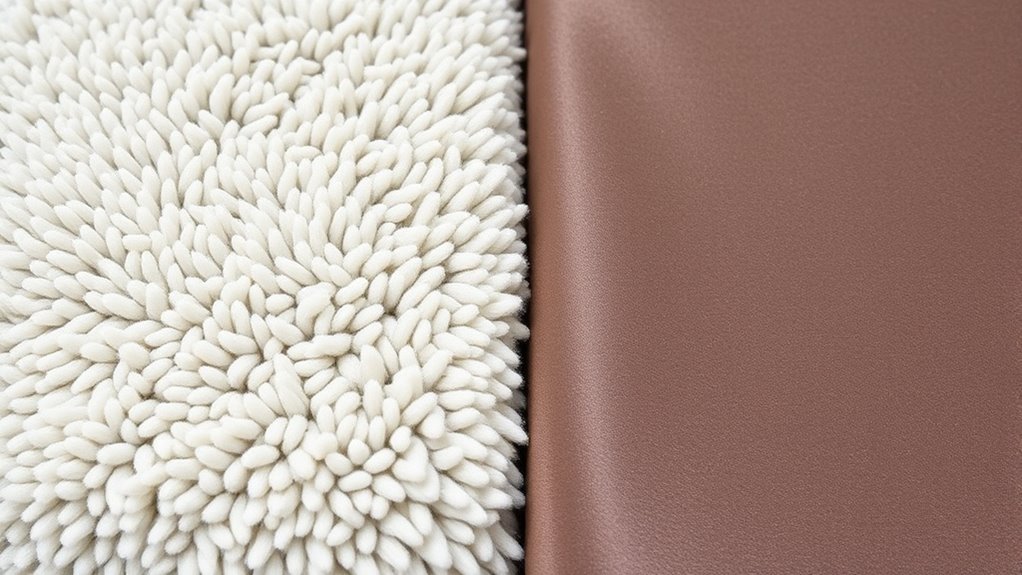
When choosing between velour and velvet, understanding their differences can help you make an informed decision. Both fabrics are plush, luxurious, and visually appealing, but their origins and textures set them apart. Fabric origins play a significant role in influencing their look, feel, and suitability for various projects. Velvet has a long, storied history, dating back centuries, with origins rooted in luxury textiles produced in regions like France and Italy. Traditionally, velvet is made from silk, which gives it a rich, smooth surface and a dense pile that feels soft yet substantial. Over time, modern velvet has expanded to include polyester, rayon, and blends, making it more affordable and easier to care for. Velour, on the other hand, originated in the 20th century and is a knit fabric, often made from cotton, polyester, or a blend. Its roots are more modern, and it was initially used in costumes and upholstery because of its stretchy, comfortable nature.
When you compare the texture of velour and velvet, you’ll notice distinct differences. Velvet boasts a dense, smooth pile that’s tightly woven, giving it a sleek and elegant finish. Its surface has a luxurious sheen that catches the light beautifully, making it ideal for formal wear, upholstery, and draperies. Velour, however, has a softer, more flexible feel because it’s typically knitted rather than woven. Its pile is shorter and less dense, resulting in a fabric that feels plush but more casual and cozy. The texture comparison shows that velvet tends to be more polished and refined, while velour offers a more relaxed and tactile experience. This difference influences their best uses: velvet’s sophisticated appearance suits evening gowns, ornate furniture, and decorative accents, whereas velour’s comfort makes it perfect for loungewear, casual upholstery, and children’s clothing. Additionally, velour’s stretch-friendly nature makes it a popular choice for garments requiring flexibility.
In choosing between them, think about the look and feel you want for your project. Velvet’s luxurious texture and history of fine craftsmanship make it a top choice for upscale decor and fashion. Velour’s affordability, stretchiness, and softness make it a practical pick for everyday comfort and casual settings. Both fabrics are versatile, but your decision should hinge on the specific qualities you need—whether it’s the rich sheen and storied elegance of velvet or the cozy, flexible nature of velour. By understanding their fabric origins and texture comparisons, you’ll be better equipped to select the right fabric for your style and purpose, ensuring your finished piece looks and feels just right.
As an affiliate, we earn on qualifying purchases.
Frequently Asked Questions
Which Fabric Is More Environmentally Sustainable?
Velour is generally more environmentally sustainable because it often uses eco-friendly production methods and can be made from biodegradable materials like natural cotton or bamboo. Velvet, especially synthetic versions, typically involves petroleum-based fibers, which are less eco-friendly. By choosing velour made from natural fibers and eco-conscious manufacturing processes, you reduce your environmental impact and support sustainable fashion choices.
How Do Velour and Velvet Compare in Durability?
Velour and velvet differ in durability mainly due to their fabric maintenance and texture differences. Velvet, made from tightly woven fibers, tends to be more durable and resistant to wear over time. Velour, with its plush, knit-like texture, may show signs of wear sooner, especially if not cared for properly. To keep both fabrics looking their best, follow specific cleaning instructions, and handle them gently to preserve their unique textures.
Are There Hypoallergenic Options for Velour or Velvet?
Yes, there are hypoallergenic options for velour and velvet to address fabric allergy concerns. You can choose synthetic or organic fabrics specifically designed as hypoallergenic, which reduce the risk of allergic reactions. Look for velour and velvet made from hypoallergenic materials like silk, cotton, or polyester blends. These options are ideal if you have sensitive skin or allergies, ensuring you enjoy the luxurious feel without compromising your health.
Can Velour or Velvet Be Machine Washed Safely?
You can generally machine wash velour and velvet, but it’s important to follow fabric cleaning and washing instructions carefully. Did you know that improper washing can damage 60% of delicate fabrics? For velour or velvet, use cold water on a gentle cycle, and avoid high heat drying. Always check the garment’s care label to prevent shrinking or fabric damage, ensuring your luxurious pieces stay beautiful longer.
Which Fabric Is Better for Outdoor Furniture?
Velour is better for outdoor furniture because it offers easier fabric maintenance and can withstand weather conditions more effectively. Its plush texture maintains its aesthetic appeal over time, even with exposure to elements. Velvet, while luxurious, tends to trap moisture and dirt, making it less suitable for outdoor use. Choosing velour guarantees your furniture stays attractive and easy to care for, keeping it looking fresh and inviting longer.
Conclusion
Think of velour and velvet as two enchanted castles—one cozy and plush, the other regal and smooth. Both offer royal comfort, but each suits different quests. Velour is your trusty fortress for casual comfort, while velvet is the crown jewel for grand occasions. Choose wisely, and let your fabric choice be the key to accessing your perfect style kingdom. With the right fabric, you’ll rule your wardrobe with confidence and grace.
Fall Picks
fall essentials
As an affiliate, we earn on qualifying purchases.