To care for white fabrics without yellowing, act quickly on stains with stain removers suitable for whites and soak stubborn spots in hydrogen peroxide or baking soda solutions. Use warm water, gentle detergents, and avoid overloading your machine. Opt for natural softeners like vinegar and hang your whites in shaded areas when drying to prevent UV damage. Proper techniques keep your whites bright longer—explore more tips to maintain their crisp appearance.
Key Takeaways
- Treat stains promptly with stain removers suitable for white fabrics to prevent discoloration.
- Use warm water and high-quality, whitening detergents, avoiding excessive chlorine bleach.
- Rinse with natural softeners like white vinegar to prevent residue buildup and maintain brightness.
- Dry fabrics in shaded areas or indoors to avoid UV-induced yellowing.
- Regularly remove stains and incorporate natural cleaning methods to preserve fabric whiteness.
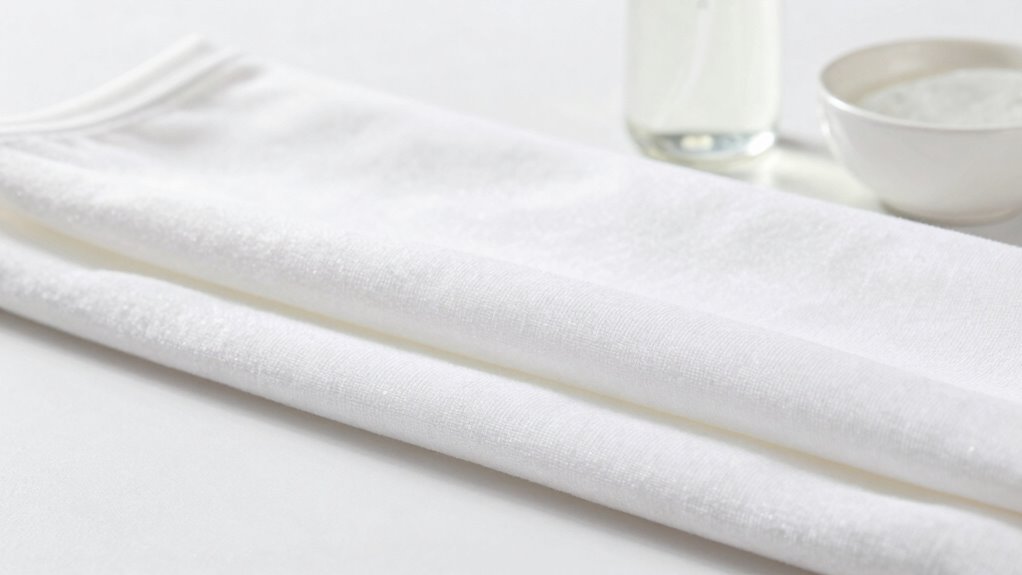
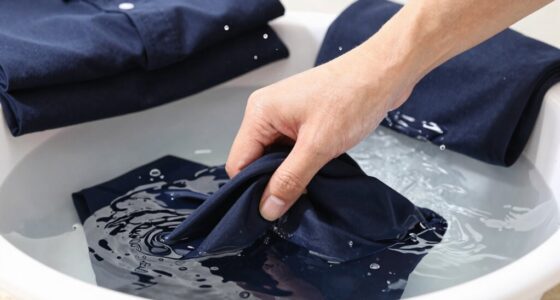
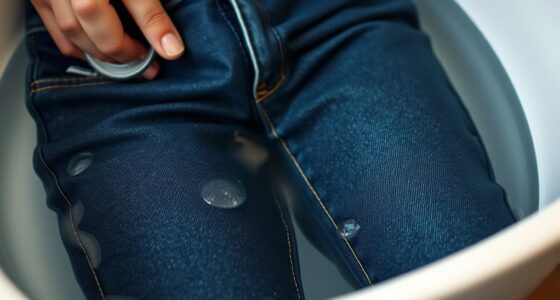
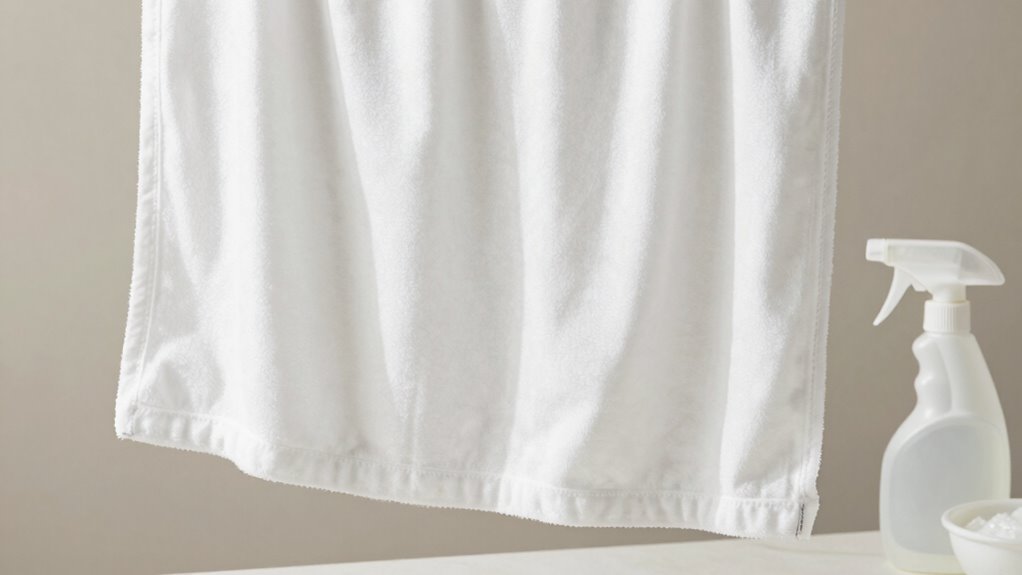
Ever wondered how to keep your white fabrics looking pristine? It’s a common concern, especially since whites tend to yellow over time. The secret lies in proper care, starting with effective stain removal and gentle fabric softening. When stains set in, they can quickly ruin the crisp appearance of your whites, so addressing them promptly is key. Use a stain remover designed for white fabrics, applying it directly to the affected area before washing. For stubborn stains, soaking the fabric in a mixture of water and a bit of hydrogen peroxide or baking soda can help lift discoloration without damaging the fibers. Remember, always test any stain removal method on a small, inconspicuous area first to avoid unintended damage or discoloration.
Promptly treat stains with suitable removers to keep your whites looking bright and crisp.
When it comes to washing, avoid overloading your machine. Crowding the drum can prevent thorough cleaning and promote yellowing. Use warm water, but steer clear of hot water, which can weaken fibers and accelerate yellowing. Opt for a high-quality detergent formulated for whites, and consider adding a whitening booster or a small amount of non-chlorine bleach to maintain brightness. Chlorine bleach can be effective but is also harsh, so use it sparingly and only when necessary, as excessive use can weaken fabric and cause yellowing over time. Incorporating proper laundry techniques and understanding how different fabrics react to cleaning agents can further help prevent discoloration and maintain fabric integrity. Additionally, paying attention to indoor air quality can help reduce dust and pollutants that contribute to fabric discoloration.
Fabric softening is another important step. While softeners make your fabrics feel comfortable, some commercial softening agents can leave residues that contribute to dullness and discoloration. Instead, opt for natural alternatives like white vinegar during the rinse cycle. Vinegar helps soften fabric naturally and breaks down detergent residues that can cause yellowing. It’s a simple, inexpensive solution that keeps your whites feeling fresh without compromising their brightness.
Drying methods also matter. Avoid leaving your white fabrics in direct sunlight for extended periods, as UV rays can cause yellowing. Instead, hang your whites in a shaded area or indoors where they can dry evenly. When ironing, ensure the fabric is slightly damp, and use the appropriate heat setting to prevent scorch marks, which can age the fabric prematurely. Incorporating natural cleaning methods can also contribute to preserving the brightness and longevity of your whites.
Keeping your whites bright and free from yellowing isn’t complicated once you adopt these practices. Regular stain removal, gentle fabric softening, and mindful drying will help preserve their clean, crisp appearance for longer. With a little attention to detail, your white fabrics will stay luminous, fresh, and inviting for years to come.

Shout Active Enzyme Laundry Stain Remover Spray, Triple-Acting Formula Clings, Penetrates, and Lifts 100+ Types of Everyday Stains – Prewash Spray 22oz
What You'll Get: One 22oz spray bottle of Shout's Prewash Active Enzyme Stain Remover Spray. Bottle, excluding trigger…
As an affiliate, we earn on qualifying purchases.
As an affiliate, we earn on qualifying purchases.
Frequently Asked Questions
Can Baking Soda Remove Yellow Stains From White Fabrics?
Yes, baking soda can help remove yellow stains from white fabrics. It’s an effective bleach alternative and works well with other stain removal techniques. You can create a paste with baking soda and water or add it to your wash cycle to boost cleaning power. Baking soda gently lifts stains and odors without harsh chemicals, helping your whites stay bright and fresh while preventing yellowing over time.
How Often Should I Wash White Fabrics to Prevent Yellowing?
Think of your white fabrics as delicate sculptures in a gallery—they need regular dusting to preserve their beauty. Wash them every 1-2 weeks to maintain fabric durability and prevent yellowing. Over-washing can weaken fibers, while infrequent cleaning allows stains and oils to set. Use gentle detergents and cold water to help with color preservation. Consistent care keeps your whites bright and resilient, like timeless art.
Are There Natural Remedies to Whiten White Fabrics?
Yes, you can use natural whitening and homemade remedies to brighten white fabrics. Try soaking your whites in a mixture of baking soda and lemon juice, which acts as a natural bleach. You can also add hydrogen peroxide to your wash cycle for extra whitening power. Sun-drying your fabrics in sunlight also helps naturally whiten and refresh them. These methods are gentle, eco-friendly, and effective at keeping your whites bright without harsh chemicals.
What Are the Best Storage Methods for White Fabrics?
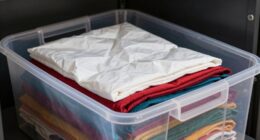
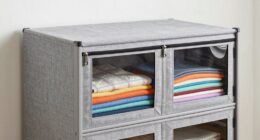
Keep your white fabrics in pristine condition by storing them properly. Think of it as giving them a safe haven—use breathable storage containers like cotton bags or acid-free boxes to prevent yellowing. Make sure fabrics are clean and completely dry before storing. Store in a cool, dark place to avoid sun damage. This approach promotes fabric preservation, keeps whites bright, and helps your favorite pieces stay fresh longer.
Can Fabric Softeners Cause Yellowing in White Textiles?
Fabric softeners can cause fabric discoloration, including yellowing in white textiles. They often leave residues that build up over time, trapping dirt and oils that lead to a dull or yellowish appearance. To prevent this, avoid using fabric softeners on white fabrics or opt for natural alternatives like white vinegar. Regularly washing with a gentle, bleach-free detergent and proper rinsing helps keep your whites bright and free from discoloration.

Nature's Freedom 12% Hydrogen Peroxide, Food Grade H2O2 and Purified Water Only, 1 Gallon Solution
Contains only food-grade hydrogen peroxide and purified, deionized water. No stabilizers or additives.
As an affiliate, we earn on qualifying purchases.
As an affiliate, we earn on qualifying purchases.
Conclusion
To keep your white fabrics looking fresh and bright, regular gentle washing and proper storage are key. Some worry that special treatments might be complicated or costly, but with small habits like using the right detergent and avoiding overexposure to sunlight, you can maintain their brightness effortlessly. Consistency is your best friend here—so don’t skip routine care. With these simple tips, your whites will stay vibrant and spotless, no matter how often you wear or wash them.

Molly’s Suds Fabric Softener Liquid for Sensitive Skin | Vinegar-Powered, Infused with Essential Oils | Fights Static, Reduces Wrinkles, Deodorizes | Peppermint, 50 Loads
SOFT, STATIC FREE CLOTHES: Unlike traditional fabric softeners that can deposit residues on clothes, Molly’s Suds vinegar-powered Fabric…
As an affiliate, we earn on qualifying purchases.
As an affiliate, we earn on qualifying purchases.

Amazon Basics Foldable Portable Clothes Drying Rack for Indoor Air Drying, Collapsible Design, 14.5" D x 29.5" W x 41.8" H, White
Clothes drying laundry rack for energy savings and gentle air drying so clothes last longer; for indoor use
As an affiliate, we earn on qualifying purchases.
As an affiliate, we earn on qualifying purchases.