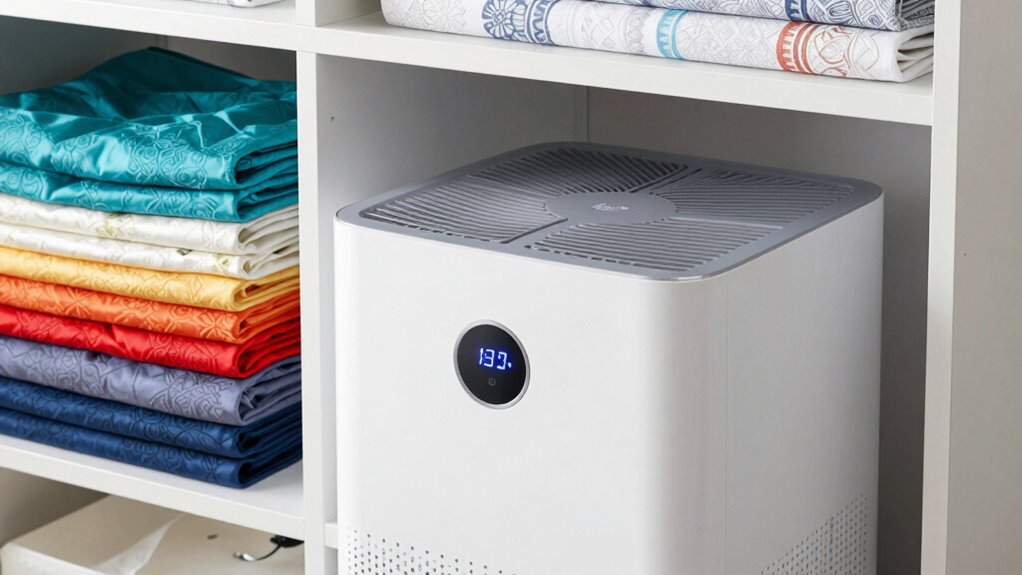
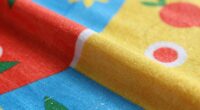
Dehumidifiers protect your stored fabrics and finished textiles by controlling moisture levels, which prevents mold, mildew, and bacteria growth that can damage fibers. They help maintain proper humidity, reducing the risk of fabric warping, shrinking, or becoming brittle. By keeping the environment dry and odor-free, dehumidifiers extend the life and preserve the quality of your textiles. If you want to learn more about how they safeguard your collection, keep exploring the benefits they offer.

Get your wardrobe favorites delivered free — and shop member deals
- Fast, free delivery on millions of items
- Access to Prime Big Deal Days deals on October 6–7
- Prime Video, Amazon Music and more included
Key Takeaways
- Dehumidifiers reduce humidity levels, preventing mold, mildew, and bacteria growth on stored textiles.
- They help maintain optimal moisture balance, protecting fabrics from warping, shrinking, and fiber damage.
- Proper humidity control eliminates musty odors and environmental contaminants that degrade textiles.
- Dehumidifiers minimize dust and allergens, creating a cleaner, healthier storage environment.
- They preserve fabric strength, color, and overall quality, extending the lifespan of stored textiles.

Dehumidifiers play an essential role in preserving fabrics and textiles by controlling moisture levels in the environment. When you’re storing valuable or delicate fabrics, excess humidity can lead to a host of problems, including mold growth, mildew, and fabric degradation. By maintaining a consistent, ideal level of moisture, dehumidifiers help prevent these issues, ensuring your textiles stay in pristine condition over time. Moisture control isn’t just about comfort; it’s a key part of fabric preservation, especially for stored or finished textiles that aren’t in regular use.
When you use a dehumidifier in your storage space, you actively reduce the humidity, creating a less hospitable environment for mold spores and bacteria that thrive in damp conditions. Mold can ruin fabrics, leaving unsightly stains and weakening fibers, making textiles more prone to tearing. Mildew, which often appears as a musty odor, can be difficult to eliminate once it takes hold. Dehumidifiers keep humidity levels below the threshold where these microorganisms flourish, giving your stored textiles a fighting chance at lasting longer and maintaining their original quality.
Additionally, controlling moisture through a dehumidifier helps prevent fabric warping, shrinking, or discoloration caused by dampness. Fabrics like wool, silk, and linen are especially sensitive to moisture fluctuations. When exposed to high humidity, fibers can absorb water, leading to stretching or distortion. Conversely, overly dry environments can make fibers brittle and more susceptible to breakage. A dehumidifier keeps the environment balanced, protecting the integrity of your textiles and reducing the need for costly repairs or replacements. Proper humidity levels are also crucial for preventing environmental damage**, which can accelerate deterioration over time. Maintaining optimal humidity can also help prevent fiber deterioration**, safeguarding the quality of your textiles.
Furthermore, a well-maintained storage environment that includes a dehumidifier can reduce the risk of dust and allergen buildup, creating a healthier space for your stored textiles. Another advantage of using a dehumidifier is that it helps you maintain a clean and odor-free storage environment. Excess moisture often results in stale, musty smells that are difficult to remove from fabrics once they’ve penetrated fibers. By controlling humidity, you prevent these odors from forming in the first place, keeping your textiles fresh and ready for use when needed. This is especially important for finished textiles, which are often stored for long periods before being used or displayed. Proper humidity levels are also vital for protecting textile fibers, ensuring their longevity and appearance over time. When fabrics are stored in optimal conditions, they are less likely to develop damage caused by moisture, which can be costly to repair or replace.
Ultimately, your investment in a good dehumidifier directly contributes to the longevity of your fabric collection. The moisture control it provides is essential for fabric preservation, protecting against mold, mildew, and environmental damage. When you prioritize proper humidity levels, you’re ensuring that your textiles remain vibrant, strong, and in excellent condition for years to come.
As an affiliate, we earn on qualifying purchases.
Frequently Asked Questions
How Do Dehumidifiers Differ From Humidifiers in Textile Preservation?
Dehumidifiers differ from humidifiers by actively reducing excess moisture, which is essential for climate control and material preservation in textile storage. While humidifiers add moisture to prevent dryness, dehumidifiers remove it to prevent mold, mildew, and deterioration. You need dehumidifiers to maintain ideal humidity levels, protecting fabrics and finished textiles from damage caused by high humidity. This balance helps guarantee your textiles stay in pristine condition over time.
Can Dehumidifiers Remove Mold Spores From Stored Fabrics?
Yes, dehumidifiers can help with mold spore removal, but they don’t eliminate every tiny particle. As you keep humidity levels low, they inhibit mold growth and support fabric preservation. However, if mold spores are already embedded, you might need additional cleaning methods. Keep a close eye on your stored textiles, because controlling moisture is essential for preventing future mold issues and ensuring your fabrics stay pristine over time.
Are Portable Dehumidifiers Effective for Large Textile Storage Areas?
Yes, portable dehumidifiers with high industrial capacity are effective for large textile storage areas. They quickly reduce humidity levels, preventing mold and mildew growth. While they might seem costly initially, they’re cost-effective over time because they protect your textiles from damage, reducing replacement and cleaning expenses. Choose models designed for large spaces, ensuring ideal moisture control, and you’ll maintain fabric quality efficiently without breaking the bank.
What Maintenance Is Required for Dehumidifiers Used With Fabrics?
You need to regularly replace filters on your dehumidifier to guarantee ideal airflow and efficiency. Additionally, check drainage systems frequently, clearing any blockages and emptying the water collection tank as needed. Keep the coils clean and monitor for signs of mold or dirt buildup. Proper maintenance extends the lifespan of your dehumidifier, keeps it running effectively, and helps protect your fabrics from moisture damage.
How Do Dehumidifiers Impact the Lifespan of Delicate Textiles?
A stitch in time saves nine, and controlling humidity is vital to prolonging textile life. Dehumidifiers help maintain ideal humidity levels, reducing textile deterioration caused by excess moisture. By managing humidity control, you prevent mold, mildew, and fiber weakening, which can considerably shorten the lifespan of delicate textiles. Proper dehumidifier use ensures your fabrics stay in pristine condition, giving you peace of mind that your valuable textiles will last longer.
Conclusion
So, while dehumidifiers seem like simple devices, they actually play a vital role in protecting your valuable fabrics and textiles from the silent threat of moisture. Ironically, in your quest to preserve these delicate items, you might overlook this humble hero—yet, without it, your cherished fabrics could easily fall prey to mold, mildew, or decay. Sometimes, the smallest tools make the biggest difference—don’t let moisture be the undoing of your treasured textiles.
Fall Picks
fall essentials
As an affiliate, we earn on qualifying purchases.