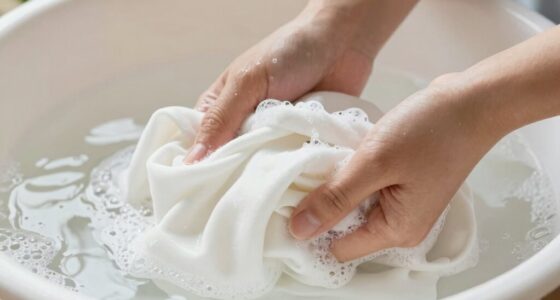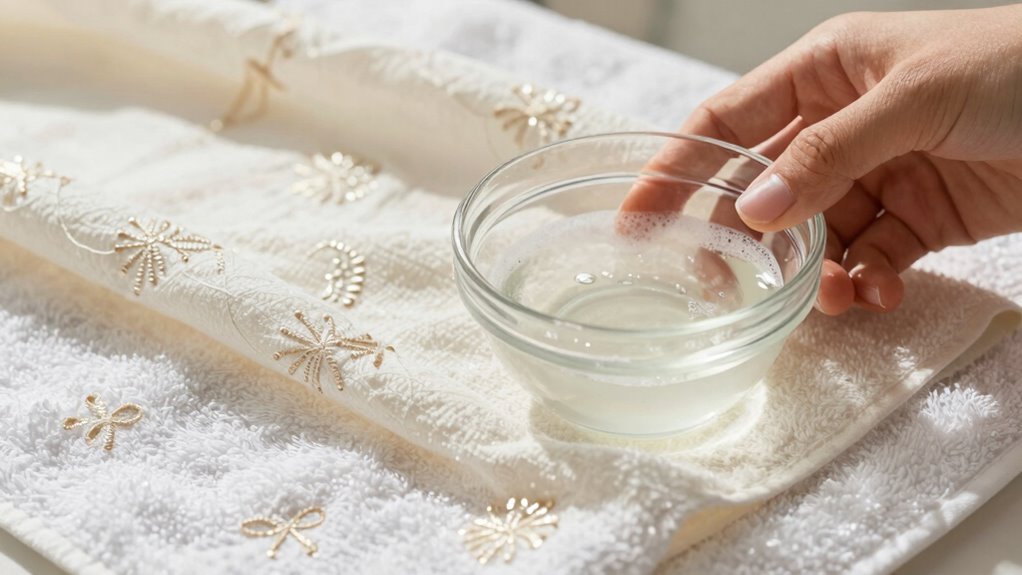

You should hand wash delicate or embellished fabrics to avoid damage and preserve their quality. Use this method for items like lace, silk, wool, or garments with beads, sequins, or embroidery. It’s ideal when care labels recommend gentle treatment or when stains need targeted attention. Hand washing reduces harsh agitation, preventing stretching, tearing, or color fading. If you want to keep your clothes looking their best and lasting longer, there’s more to discover on proper hand washing techniques.

Get your wardrobe favorites delivered free — and shop member deals
- Fast, free delivery on millions of items
- Access to Prime Big Deal Days deals on October 6–7
- Prime Video, Amazon Music and more included
Key Takeaways
- Use hand washing for delicate fabrics like silk, lace, or wool to prevent damage from machine agitation.
- Hand wash when removing stubborn stains carefully without spreading or harming the fabric.
- Choose hand washing to prolong garment lifespan, especially for items with embellishments or sentimental value.
- Follow care labels indicating hand wash only to avoid accidental damage from machine cycles.
- Opt for hand washing for special or expensive garments to maintain their color, softness, and intricate details.
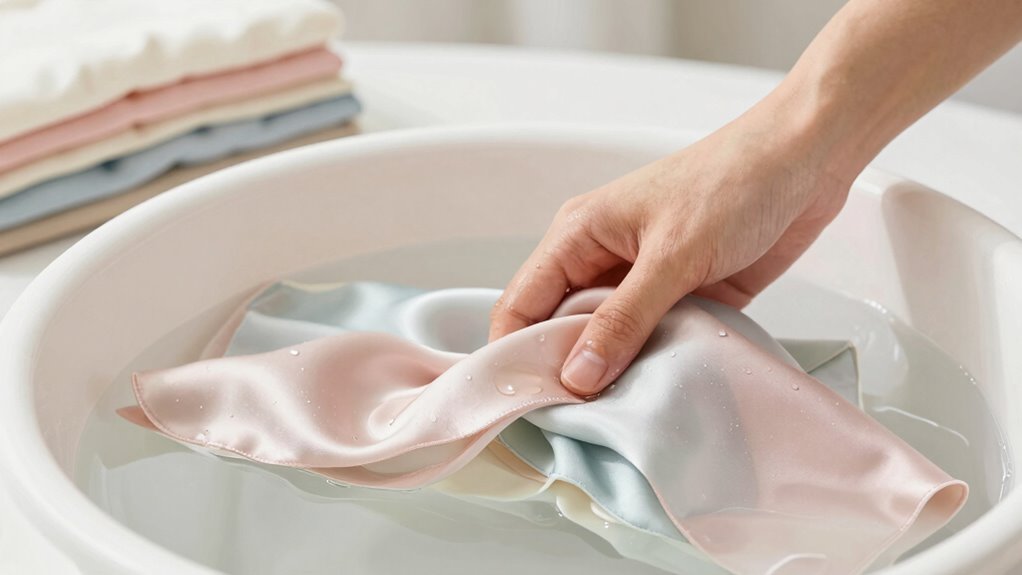
Knowing when to hand wash fabric can help you preserve its color, texture, and overall quality. While your washing machine is convenient for most laundry, certain delicate fabrics require a gentler approach. Hand washing is ideal when you’re dealing with fabrics that can be easily damaged by aggressive agitation or high heat. For example, delicate lace, silk, wool, or embellished items often need special care to maintain their integrity. When you hand wash these materials, you have greater control over the process, ensuring they don’t get stretched, torn, or frayed.
Hand washing preserves delicate fabrics, preventing damage and maintaining their softness, color, and overall quality.
If you’re trying to remove stubborn stains, hand washing can be more effective than machine washing. You can target specific spots with more precision, applying stain removal solutions directly and working on the stain gently without risking spreading it or damaging the fabric. This is especially helpful for ink, wine, or grease stains. Be cautious with stain removers, and always test a small, hidden area first to avoid discoloration. Also, when hand washing, you can use mild detergents or fabric softeners designed for delicate fabrics, which help maintain softness and prevent harsh fibers from breaking down. Fabric softeners can make delicate fabrics more comfortable to wear and help preserve their texture over time, especially if you wash the item by hand regularly.
Another reason to opt for hand washing is when you’re trying to prolong the lifespan of your clothing. Machine washing, even on gentle cycles, can sometimes cause pilling, fading, or weakening of fibers. By hand washing, you reduce the mechanical stress on your garments, keeping them looking newer longer. Additionally, hand washing is a safer choice for items with embellishments, such as sequins, beads, or embroidery, which could get snagged or torn in a washer. For these pieces, carefully submerging and gently agitating them in water ensures they stay intact. Proper washing techniques are essential for maintaining delicate details and preventing damage. Moreover, understanding fabric care labels can help you determine whether hand washing is the best method for each item. Following the recommended care instructions can also prevent unnecessary fabric damage, saving you money and preserving your wardrobe.
Sometimes, instructions on garment labels specify hand washing only, so ignoring these directions can inadvertently damage your clothes. When in doubt, it’s always safer to hand wash, especially if the fabric is expensive or sentimental. Also, if you need to freshen up a garment without a full wash, hand washing with cool water and a gentle detergent can refresh fabrics without risking harm. Proper hand washing techniques ensure you’re gently cleaning while avoiding unnecessary stress on the fabric fibers. Remember, the key to successful hand washing is a gentle touch and patience—by doing so, you conserve your clothes’ quality, color, and softness, making them last longer and look better over time. Incorporating proper washing techniques can further enhance the longevity of your garments.
delicate fabric hand wash detergent
As an affiliate, we earn on qualifying purchases.
As an affiliate, we earn on qualifying purchases.
Frequently Asked Questions
Can Hand Washing Damage Delicate Fabrics?
Hand washing delicate fabrics won’t necessarily damage them if you’re gentle and avoid harsh fabric softeners. Use mild detergents and avoid twisting or wringing the material to prevent stretching or tearing. Be careful with drying techniques, opting for air drying instead of high heat which can weaken fibers. Proper handling preserves your delicate fabrics, keeps them soft, and prevents damage caused by aggressive washing methods.
How Long Should I Hand Wash Delicate Garments?
You should hand wash delicate garments for about 3 to 5 minutes, ensuring you don’t damage them. Use lukewarm water—hot water can be a devastating storm for fabrics—and select a gentle detergent designed for delicate items. Gently swirl the fabric, avoiding wringing or twisting, which can cause harm. Remember, patience is key; rushing through this process can turn a delicate piece into a fragile relic.
Is Hand Washing Better for Color Preservation?
Yes, hand washing is generally better for color preservation because it’s gentler and reduces the risk of color fading. By avoiding harsh detergents and aggressive agitation, you help maintain fabric longevity and keep colors vibrant longer. When you hand wash delicate or brightly colored garments, you minimize damage and fading, ensuring your clothes stay looking fresh and new for a longer time.
What Tools Are Necessary for Effective Hand Washing?
Like a painter with a delicate brush, you need essential tools for effective hand washing. Grab a gentle detergent suitable for your fabric, and choose water temperature wisely—lukewarm works well for most delicate items. You’ll also need a clean basin or sink, a soft sponge or cloth, and a drying rack or towel. These tools help you clean thoroughly without damaging your clothes, ensuring they stay vibrant and fresh.
Can I Hand Wash All Types of Fabric Safely?
You can’t safely hand wash all fabric types. Delicate fabrics like silk, wool, and lace require gentle washing techniques to prevent damage, shrinkage, or color fading. Always check the care label before washing. For sturdier fabrics like cotton or linen, machine washing is usually fine. When in doubt, hand wash or consult specific care instructions to preserve your fabric’s quality and longevity.
Conclusion
Remember, resisting the rush of the machine and choosing to hand wash can save your favorite fabrics from damage. By properly prioritizing delicate items, you preserve their plushness and prolong their lifespan. So, be vigilant and values your valuables—voice your vigilance for vulnerable garments. Hand washing helps maintain their beauty, brilliance, and brilliance, ensuring they stay fresh and fabulous for longer. Handle with care, and your fabrics will thank you!
Fall Picks
fall essentials
As an affiliate, we earn on qualifying purchases.