Understanding denim involves exploring its rich history, durable weave, and evolving uses today. Originally crafted from tightly woven cotton fibers, denim’s strength comes from outstanding weaving techniques that withstand daily wear. Traditionally dyed with indigo, modern methods improve colorfastness and eco-friendliness. Over time, denim develops unique wear patterns that add character, making it a timeless fabric. To learn more about how these elements shape denim’s durability and style, keep exploring its detailed story.

Get your wardrobe favorites delivered free — and shop member deals
- Fast, free delivery on millions of items
- Access to Prime Big Deal Days deals on October 6–7
- Prime Video, Amazon Music and more included
Key Takeaways
- Denim’s durability comes from tightly woven cotton fibers and advanced weaving techniques, making it suitable for both workwear and fashion.
- Traditional indigo dyeing gives denim its iconic blue color, with modern methods enhancing colorfastness and sustainability.
- The fabric’s resilience is maintained through innovations in weaving and fiber blending, ensuring longevity and wear resistance.
- Denim ages gracefully, developing unique fade patterns and wear marks that add to its character and appeal.
- Modern trends focus on eco-friendly production, including recycled fibers and sustainable dyeing methods, ensuring denim’s future relevance.
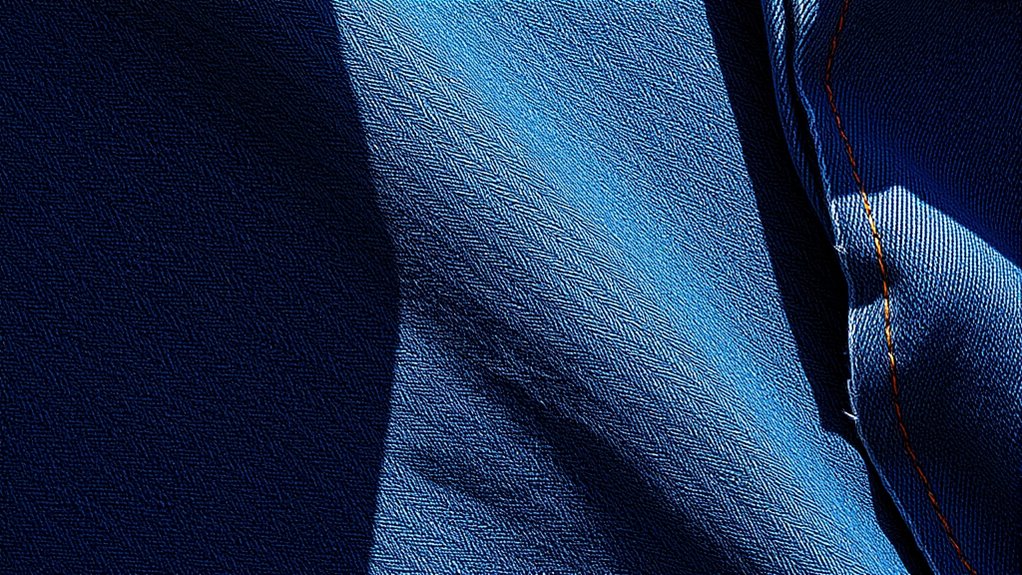
Have you ever wondered what makes denim so popular and versatile? The answer lies in its unique combination of fabric durability and dyeing techniques that have stood the test of time. Denim’s strength comes from the quality of its fabric, which is woven tightly to withstand daily wear and tear. This fabric durability is a key factor that has kept denim relevant for centuries, especially in workwear and casual fashion. The yarns used to make denim are often spun with a blend of cotton fibers, creating a sturdy material that resists tearing and fraying. Over the years, innovations in weaving methods have enhanced denim’s resilience, making it suitable for everything from rugged jeans to stylish jackets.
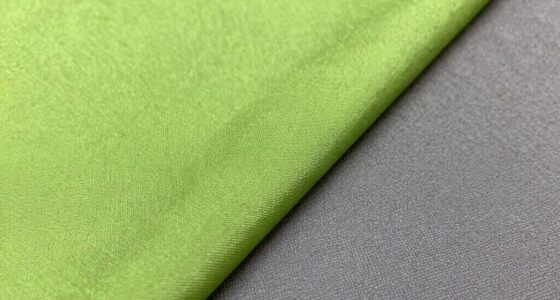
Denim’s strength and durability stem from tightly woven cotton fibers and innovative weaving techniques.
Dyeing techniques also play a significant role in defining denim’s character. Traditionally, denim is colored with indigo dye, which penetrates the fabric in a way that creates a distinctive look that ages beautifully. The process of dyeing denim involves repeatedly dipping the fabric into indigo baths, which results in the deep blue hue that denim is famous for. Over time, with washing and wear, the dye gradually fades, revealing a unique pattern of wear that adds to each piece’s individuality. Modern dyeing techniques, such as reactive and vat dyeing, have improved the colorfastness and environmental impact of denim production. These methods allow manufacturers to produce vibrant, long-lasting colors while reducing the amount of water and chemicals used during dyeing.
The combination of fabric durability and advanced dyeing techniques has transformed denim from a simple workwear material into a fashion staple. Its ability to age gracefully and develop a personalized worn-in look appeals to many. Plus, today’s innovations have made denim more sustainable, with eco-friendly dyes and recycled fibers becoming common. As you explore different denim styles, you’ll notice how these factors influence their appearance, feel, and longevity. Whether you’re choosing a pair of jeans designed for durability or a jacket with a rich, vibrant hue, understanding these core elements helps you appreciate why denim remains a go-to fabric worldwide.
In essence, denim’s enduring popularity is rooted in its resilient fabric construction and the evolving dyeing techniques that give each piece its unique character. These elements combine to create a fabric that’s not only tough and functional but also stylish and adaptable. Moreover, advancements in sustainable practices are ensuring that denim’s legacy continues with a focus on environmental responsibility. So, next time you slip into your favorite denim, remember the craftsmanship behind its durability and the science of its dyeing that makes it so timeless.
As an affiliate, we earn on qualifying purchases.
Frequently Asked Questions
How Has Denim Manufacturing Technology Evolved Over the Decades?
You’ve seen denim manufacturing evolve with digital weaving, which allows for precise, innovative patterns and stronger fabrics. Laser finishing has streamlined the process, providing cleaner, quicker edges and unique textures without harsh chemicals. These advancements make denim production more efficient, sustainable, and customizable. As a result, you get high-quality, trendy denim pieces that meet modern standards of durability and style, reflecting the latest in textile technology.
What Environmental Impacts Are Associated With Denim Production?
You should know that denim production impacts the environment through water pollution and chemical waste. During manufacturing, toxic dyes and chemicals often seep into waterways, harming ecosystems and communities. Additionally, high water usage and improper disposal of waste contribute to pollution. To reduce these effects, many brands are adopting eco-friendly practices, like using less water, biodegradable dyes, and recycling chemicals, helping lessen denim’s environmental footprint.
How Can I Identify Authentic Vintage Denim Pieces?
You can identify authentic vintage denim by examining its vintage authenticity, denim aging, and unique details. Look for signs of wear like fading, honeycomb creases, and whiskering, which reveal genuine aging. Check the tag for age-appropriate fabric and stitching, and feel the denim’s weight and texture. Authentic vintage pieces often have irregularities, uneven stitching, and a rich patina, confirming their true vintage authenticity and authentic aging process.
What Are Innovative Sustainable Alternatives to Traditional Denim?
You can explore innovative sustainable alternatives to traditional denim by choosing fabrics made from recycled fibers, which reduce waste and resource use. Look for denim dyed with eco-friendly dyes that minimize environmental impact. Brands now offer biodegradable or organic cotton denim, blending style with sustainability. By selecting these options, you actively support eco-conscious fashion and help reduce the industry’s carbon footprint while enjoying modern, durable denim.
How Does Denim Influence Global Fashion Trends Today?
Imagine a fabric that’s both rebellious and refined—denim. Today, you see it shaping global fashion trends through streetwear collaborations that blend sustainability with style. Denim’s influence pushes brands to adopt eco-friendly practices, making sustainability a core value. Its versatility inspires designers worldwide, turning casual wear into high fashion. This juxtaposition of durability and innovation keeps denim at the forefront, constantly evolving and influencing how you express yourself globally.
Conclusion
So there you have it—your crash course in denim, the fabric that’s somehow both timeless and overhyped. Next time you slip into those worn-out jeans, remember: you’re not just wearing cloth, you’re strutting in centuries of history, woven with the dreams of miners and fashionistas alike. But don’t get too sentimental—at the end of the day, it’s just fabric, stitched together for one purpose: making sure you look good while avoiding real work.
Fall Picks
fall essentials
As an affiliate, we earn on qualifying purchases.