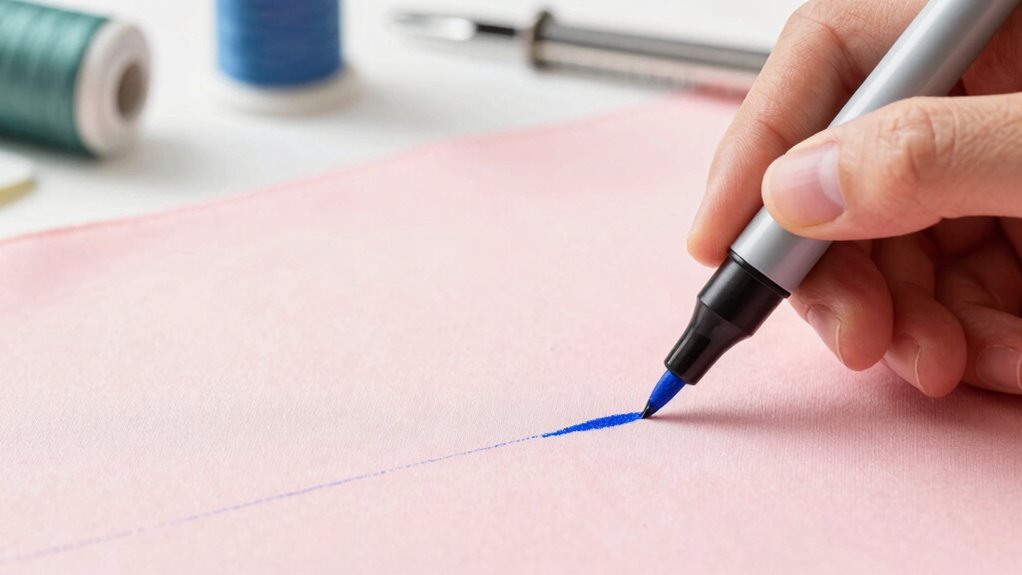

When choosing disappearing ink for fabric, opt for water-soluble or air-erasable inks that vanish without damaging your fabric or leaving stains. Test different options on scraps to see how they fade—some disappear with air exposure, others wash out easily. Consider your fabric type; delicate dark fabrics need gentle, washable options, while heavier fabrics can handle bolder marks. To guarantee perfect results, keep exploring further tips for selecting and using the best disappearing ink for your projects.

Get your wardrobe favorites delivered free with Prime
- Fast, free delivery on millions of items
- Prime Video, Amazon Music and more included
- Member-only deals all year
Key Takeaways
- Test different disappearing inks on fabric scraps to ensure complete removal without damage or staining.
- Choose air-erasable or water-soluble inks for delicate or dark fabrics to prevent permanent marks.
- Consider transfer pens for precise, clean lines that disappear after washing or air exposure.
- Follow manufacturer instructions for proper removal methods to preserve fabric quality.
- Select the ink type based on fabric weight and texture for visibility during sewing and easy removal afterward.
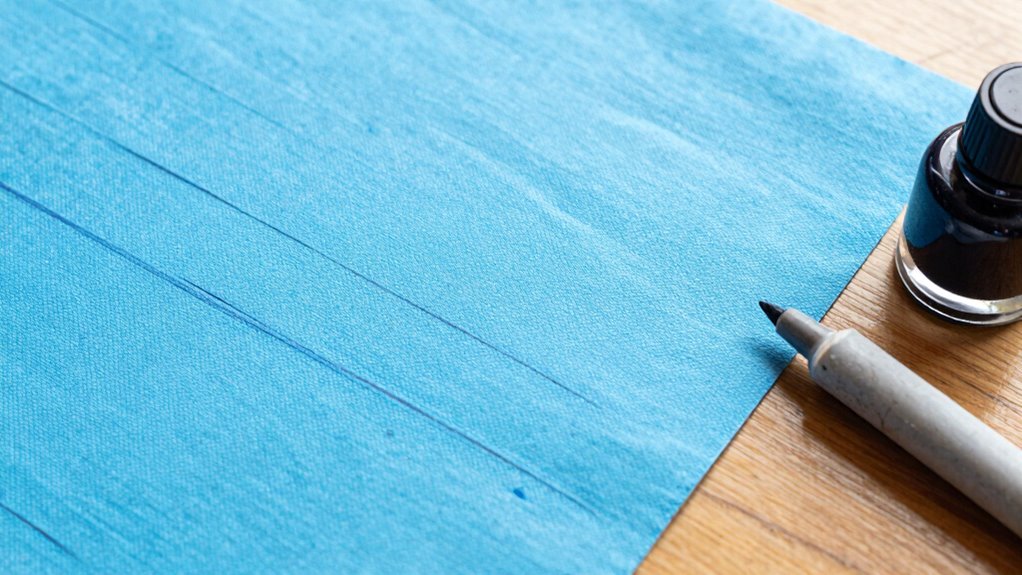
Chalk alternatives are popular because they’re easy to use and often wash away with water or gentle cleaning. They come in various forms, such as wax pencils, tailor’s chalk, or even washable pens. While these are reliable, some sewists prefer transfer pens because they offer more precision and cleaner lines. Transfer pens typically feature fine tips and vibrant ink that disappears after a wash or exposure to air. These pens are especially useful for detailed patterns or complex designs, where accuracy matters the most.
When choosing the best disappearing ink, you want one that vanishes completely without affecting the fabric’s color or texture. Some inks are designed to fade with air exposure, while others wash out easily. It’s important to test your chosen ink on a scrap piece of fabric similar to your project to see how it behaves. You don’t want the ink to set permanently or leave a stain. Transfer pens, in particular, are usually formulated to disappear after a few washes, making them ideal for projects that require multiple steps or finishing touches. Understanding fabric compatibility can help you select the most suitable marking tool for your needs. Additionally, selecting a marking method that aligns with the fabric type can prevent damage or unwanted permanent marks.
Another consideration is the type of fabric you’re working with. For delicate or dark fabrics, you might prefer a water-soluble or air-erasable ink that won’t leave a mark once your project is complete. For heavier or more textured fabrics, you’ll need a tool with a bold, visible line that can still be removed easily. Choosing the right marking tool can make all the difference in achieving a clean finish. It’s also helpful to consider the removal method to ensure the markings won’t interfere with the final product. Always check the manufacturer’s instructions for removal, and if in doubt, opt for a product that guarantees easy removal without compromising your fabric.
Ultimately, the best disappearing ink for you depends on your specific project and fabric type. Transfer pens and chalk alternatives each have their advantages, but the key is choosing one that offers clean, precise lines and easy removal. Take the time to test different options beforehand, so you can confidently proceed with your sewing or quilting project knowing your markings will come out just as easily as they went on. Additionally, understanding fabric type compatibility can help you select the most suitable marking tool for your needs.
As an affiliate, we earn on qualifying purchases.
Frequently Asked Questions
How Long Does Disappearing Ink Typically Last on Fabric?
Disappearing ink usually lasts on fabric for about 24 to 48 hours, depending on fabric type and washing conditions. When using fabric marking techniques with temporary fabric dyes, be aware that some inks fade faster with washing or exposure to water. To guarantee your markings stay clear during sewing, check the ink’s longevity and test it on a scrap piece first. This helps you plan your project and avoid surprises.
Is Disappearing Ink Safe to Use on All Fabric Types?
You can safely use disappearing ink on most fabric types, but it’s wise to check fabric safety first. For instance, if you’re working with delicate silk or wool, test the ink on a hidden area to avoid damage. Ink color options like blue, purple, or white help guarantee visibility without affecting fabric safety. Always read the manufacturer’s guidelines to prevent any issues with different fabric compositions.
Can Disappearing Ink Be Removed With Water or Washing?
Yes, disappearing ink can typically be removed with water or washing, but it depends on the ink color options and application techniques. Lighter ink colors, like white or light blue, usually wash out more easily, while darker shades may require more vigorous cleaning. To guarantee complete removal, test the ink on a small fabric area first. Using proper application techniques helps prevent stubborn stains and makes washing easier.
Are There Eco-Friendly Disappearing Ink Options Available?
You’ll be glad to know eco-friendly disappearing ink options do exist. These sustainable marking solutions use biodegradable ingredients, making them safer for the environment and your skin. Eco-friendly alternatives are perfect if you want effective visibility without harmful chemicals. They’re ideal for conscious crafters who value sustainability and want a gentle, yet reliable, marking method. Choosing these options lets you enjoy your creative process while staying environmentally responsible.
How Do I Prevent Disappearing Ink From Smudging During Sewing?
To prevent disappearing ink from smudging during sewing, you should wait until the ink has set and achieved good fabric marking accuracy before starting. Keep your hands clean and avoid touching the marked areas, as oils can cause smudging. Use a light pressing with an iron if the ink is water-based to set it temporarily. Also, choose inks with suitable visibility duration, so the ink stays clear until you finish sewing.
Conclusion
Choosing the right disappearing ink is like picking the perfect map for a journey—you want it clear, reliable, and easy to follow until you reach your destination. I once used a faint ink for a delicate embroidery project, and it vanished just as I finished, leaving my fabric pristine. With the right tool, your sewing adventures become smoother and more enjoyable, ensuring your markings disappear effortlessly, just like a good story that leaves no trace but a beautiful memory.
Columbus Day / Indigenous Peoples' Day Picks
long weekend sales
As an affiliate, we earn on qualifying purchases.