Understanding fabric finish types is key to choosing the right textiles for your projects. Finishes affect how fabrics look, feel, and behave during dyeing and use. They can improve durability or make fabrics more comfortable, but some may hinder dye absorption or require special care. Recognizing different finishes helps you predict fabric performance over time. Keep exploring to learn how to select and care for fabrics based on their finishes for best results.
Key Takeaways
- Fabric finishes are treatments that modify appearance, feel, and performance, making fabrics suitable for specific uses.
- Different finishes can affect dye absorption, influencing color vibrancy and uniformity in dyeing processes.
- Recognizing various finishes helps predict how fabrics respond to wear, cleaning, and aging over time.
- Finishes can enhance or reduce fabric durability, impacting maintenance and longevity.
- Proper understanding of fabric finishes guides appropriate care to maintain fabric properties and appearance.
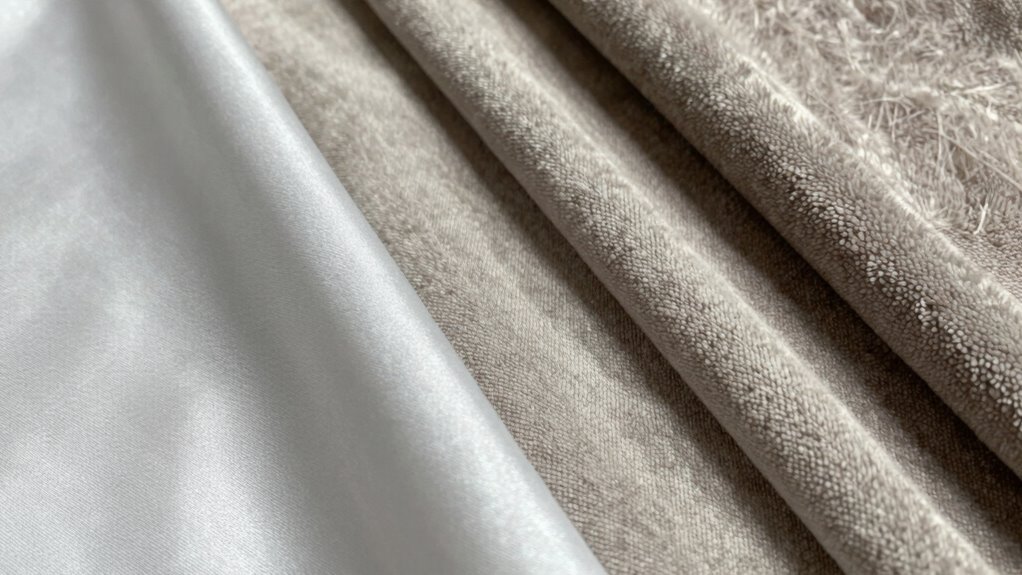
Understanding fabric finishes is essential for anyone new to textiles, as these treatments can substantially affect how your fabrics look, feel, and perform. When you start exploring textiles, you’ll quickly realize that finishing processes can transform raw materials into versatile, functional fabrics suitable for various applications. One important aspect to evaluate is how fabric finishes influence dyeing techniques. Certain finishes can enhance or hinder dye absorption, affecting the vibrancy, consistency, and depth of color. For example, a fabric with a chemical finish might resist dye penetration, resulting in uneven coloration, while natural finishes often allow for richer, more uniform dyeing. As you experiment with different dyeing techniques, understanding these finishes helps you choose the right fabric for your desired aesthetic and process. Additionally, fabric finishes impact dye absorption and how colors appear, making it crucial to understand their effects before starting your project. Recognizing the types of fabric finishes can also help you anticipate how fabrics will behave over time and with use, assisting in better planning for durability and maintenance. Knowing how finishes can alter fabric properties is essential for achieving the desired results in your textile projects.
Furthermore, some finishes can also influence how fabrics respond to care and cleaning procedures, affecting their longevity and appearance over time.

Textilepedia: The Complete Fabric Guide
As an affiliate, we earn on qualifying purchases.
As an affiliate, we earn on qualifying purchases.
Frequently Asked Questions
How Long Do Fabric Finishes Typically Last?
Fabric finishes usually last through multiple washes, but their durability depends on factors like chemical stability and the finish type. Durability testing shows that some finishes, like water-repellent or wrinkle-resistant coatings, can last several months to years if properly cared for. However, exposure to harsh cleaning agents or frequent washing can degrade the finish faster. To maintain it longer, follow care instructions and consider reapplying specific treatments when needed.
Are Certain Finishes Better for Sensitive Skin?
Yes, certain finishes are better for sensitive skin. Look for fabrics with hypoallergenic treatments, as they reduce irritation and allergic reactions. These finishes are specially designed to be gentle, free from harsh chemicals, and suitable for sensitive skin considerations. Always check the product labels or ask about hypoallergenic options when shopping. Choosing fabrics with these finishes helps guarantee comfort and minimizes skin sensitivity issues, making your clothing safer and more comfortable to wear.
Can Fabric Finishes Be Removed or Altered Later?
You can’t easily undo chemical treatments or permanent finishes once they’re applied, so think twice before choosing them. These finishes are designed to last through multiple washes, making them tough to remove or alter later. In most cases, you’ll need specialized processes or professional help to change or strip them. It’s like putting a stamp on your fabric—once it’s there, reversing it isn’t simple, so choose your finishes wisely from the start.
Do Finishes Affect the Fabric’s Breathability?
Yes, fabric finishes can affect breathability by creating moisture vapor and airflow restriction. When a finish forms a barrier, it limits how easily air moves through the fabric, reducing moisture vapor escape. This can make clothes less breathable, especially with finishes like coatings or laminates. So, if you need breathable clothing, choose fabrics with finishes designed to maintain airflow and moisture management.
Are There Eco-Friendly Fabric Finish Options Available?
Did you know that eco-friendly fabric finishes are gaining popularity, with a 30% increase in use over the past five years? Yes, there are natural alternatives and chemical-free treatments available that help you reduce environmental impact. These eco-friendly options can make your fabrics safer and more sustainable, all while maintaining quality. By choosing natural or chemical-free finishes, you support eco-conscious practices without sacrificing comfort or durability.

Hand Dyeing Yarn and Fleece: Custom-Color Your Favorite Fibers with Dip-Dyeing, Hand-Painting, Tie-Dyeing, and Other Creative Techniques
Storey publishing
As an affiliate, we earn on qualifying purchases.
As an affiliate, we earn on qualifying purchases.
Conclusion
Now that you’re getting the hang of fabric finishes, you can think of them as secret ingredients that make your textiles more delightful. With a little practice, you’ll effortlessly choose the right finish to enhance comfort, durability, or appearance—like adding just the right touch of flavor. Don’t worry if it feels like a lot at first; soon enough, you’ll be weaving your own tales of fabric mastery, turning everyday materials into something truly special.

Scotchgard Fabric Water Shield, 13.5 Ounces, Repels Water, Ideal for Couches, Pillows, Furniture, Shoes and More, Long Lasting Protection
Strong fabric protection repels water based spills for easier cleanup
As an affiliate, we earn on qualifying purchases.
As an affiliate, we earn on qualifying purchases.

Downy Free & Gentle Liquid Fabric Softener, 140 fl oz, 190 Loads, Hypoallergenic, Sensitive Skin Friendly Fabric Conditioner Liquid
HYPOALLERGENIC: Downy fabric softener is hypoallergenic and dermatologist-tested, making it gentle on sensitive skin
As an affiliate, we earn on qualifying purchases.
As an affiliate, we earn on qualifying purchases.