Viscose is a semi-synthetic fabric made from cellulose derived from wood pulp, typically from eucalyptus, beech, or pine trees. The manufacturing process involves dissolving the pulp, creating a viscous solution that’s spun into fibers. While it offers a soft, shiny feel and good drape, traditional production raises environmental concerns due to chemicals and water pollution. However, eco-friendly alternatives are now emerging. Exploring these details will give you a clearer understanding of viscose’s origins, production, and sustainable options.

Get your wardrobe favorites delivered free — and shop member deals
- Fast, free delivery on millions of items
- Access to Prime Big Deal Days deals on October 6–7
- Prime Video, Amazon Music and more included
Key Takeaways
- Viscose is a semi-synthetic fiber made from dissolving cellulose derived from wood pulp.
- The manufacturing process involves dissolving wood pulp, extruding fibers, and finishing into fabric.
- It combines natural cellulose with synthetic-like properties, offering softness, smoothness, and good drape.
- Traditional production raises environmental concerns due to chemicals like carbon disulfide and wastewater pollution.
- Eco-friendly alternatives, such as lyocell and modal, use sustainable methods and are gaining popularity in eco-conscious fashion.
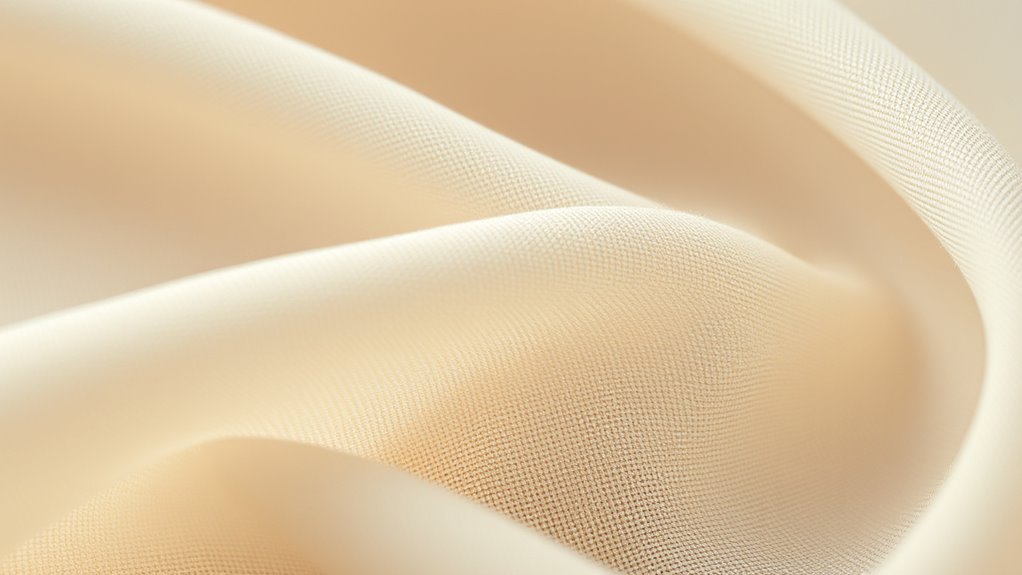
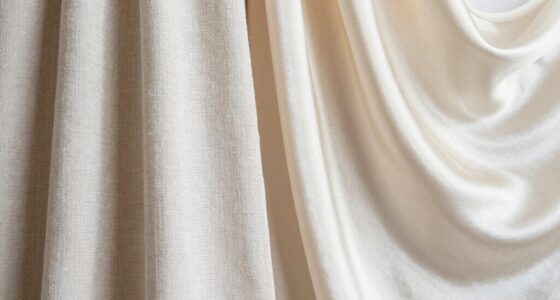
Ever wondered what makes viscose a popular choice in fashion and textiles? The answer lies in its versatility and silky feel, but understanding how it’s made sheds light on why it’s so widely used. Viscose manufacturing begins with dissolving wood pulp—usually from fast-growing trees like eucalyptus, beech, or pine—into a viscous solution. This process transforms natural cellulose into a semi-synthetic fiber, blending the best qualities of both natural and synthetic fabrics. The solution is then forced through spinnerets to create fibers, which are washed, stretched, and dried to produce the finished viscose fabric. This manufacturing process allows for a smooth, shiny fabric that drapes beautifully and feels soft against the skin.
However, traditional viscose production raises environmental concerns. The process involves chemicals like carbon disulfide, which can be harmful if not managed properly, and generates wastewater that can pollute local waterways. That’s why there’s growing interest in eco friendly alternatives within viscose manufacturing. Producers are now adopting more sustainable methods, like closed-loop systems, that recycle chemicals and water, reducing waste and pollution. Some brands are also turning to alternative fibers such as lyocell or modal, which use less toxic chemicals and have a smaller ecological footprint. These eco friendly alternatives are gaining popularity because they provide similar qualities—such as breathability, softness, and durability—while being gentler on the environment.
If you’re concerned about sustainability, it’s worth knowing that not all viscose is created equal. Some manufacturers prioritize eco friendly alternatives, ensuring that the fibers are produced with minimal environmental impact. These processes often involve organic or sustainably sourced raw materials, cutting down on deforestation and chemical use. The shift towards greener viscose options is driven by consumer demand for sustainable fashion, and many brands are now transparent about their supply chains and manufacturing practices.
As an affiliate, we earn on qualifying purchases.
Frequently Asked Questions
Is Viscose Eco-Friendly Compared to Other Fabrics?
Viscose isn’t the most eco-friendly fabric, but it can be sustainable if sourced responsibly. When you choose viscose made from sustainable sourcing, it reduces the environmental impact by using eco-conscious forestry practices and eco-friendly production methods. However, traditional viscose often involves chemical processing that harms the environment. So, look for brands that prioritize eco-friendly production to minimize environmental impact, making viscose a better choice for your eco-conscious wardrobe.
How Does Viscose Compare to Silk in Feel and Durability?
You’ll find viscose feels smooth and soft, somewhat similar to silk texture, but it’s usually less luxurious. When it comes to durability comparison, silk tends to be stronger and more resistant to wear over time. Viscose, on the other hand, can be prone to shrinking and damage with excessive moisture or rough handling. So, if you want longevity and a silk-like feel, silk is the better choice.
Can Viscose Be Recycled or Reused Easily?
Recycling viscose is like trying to untangle a knot—it’s tricky because of recycling challenges and the fabric’s chemical composition. You can’t easily reuse viscose fibers, but you can repurpose garments into other textiles or products through recycling programs. However, these options are limited, making viscose less eco-friendly than other fabrics. To minimize waste, consider buying sustainably and extending the life of your viscose garments whenever possible.
What Are the Best Care Tips to Prevent Shrinking?
To prevent viscose from shrinking, you should practice proper washing by hand washing or using a gentle cycle with cold water. Avoid hot water, which can cause shrinkage. After washing, air drying is your best option—lay your viscose items flat or hang them to dry naturally. Never use a dryer on high heat, as this can damage the fibers and lead to shrinking.
Is Viscose Suitable for People With Sensitive Skin?
Imagine slipping into a soft, flowing fabric that feels gentle against your skin—viscose can offer that comfort, but it’s not always ideal for sensitive skin. If you’re prone to fabric irritation, you might find viscose causes some redness or itchiness. Opt for high-quality, well-maintained viscose, and always check for smooth finishes. While it’s breathable and silky, it’s best to test it on your skin first to avoid discomfort.
Conclusion
Now that you know the ins and outs of viscose, you can confidently choose this semi-synthetic fabric for your wardrobe. Remember, “knowledge is power,” and understanding what goes into your clothes helps you make better choices. Viscose offers comfort, style, and sustainability when cared for properly. So, go ahead and embrace this versatile fabric, knowing you’re making an informed decision. After all, a well-informed shopper is a happy shopper!
Fall Picks
fall essentials
As an affiliate, we earn on qualifying purchases.