Hemp fabric offers an eco-friendly alternative in fashion by transforming from coarse fibers into soft, durable textiles through innovative farming and processing methods. As a sustainable crop, hemp requires minimal water, no synthetic fertilizers, and fewer pesticides, making it beneficial for the environment. Advances in fiber extraction have improved fabric quality, allowing hemp to compete with traditional materials like cotton. Keep exploring to discover how hemp’s sustainability and versatility are shaping future fashion trends.

Get your wardrobe favorites delivered free — and shop member deals
- Fast, free delivery on millions of items
- Access to Prime Big Deal Days deals on October 6–7
- Prime Video, Amazon Music and more included
Key Takeaways
- Hemp farming is eco-friendly, requiring minimal water, no synthetic fertilizers, and fewer pesticides, supporting sustainable agriculture.
- Technological advances have transformed hemp into soft, lightweight fabrics comparable to cotton or linen.
- Hemp cultivation reduces carbon footprint, improves soil health, and promotes environmentally responsible farming practices.
- Modern processing techniques enhance hemp fabric durability, lifespan, and fashionability for a wide range of clothing.
- Choosing hemp fabric supports sustainable fashion, encourages textile innovation, and aligns with eco-conscious consumer values.
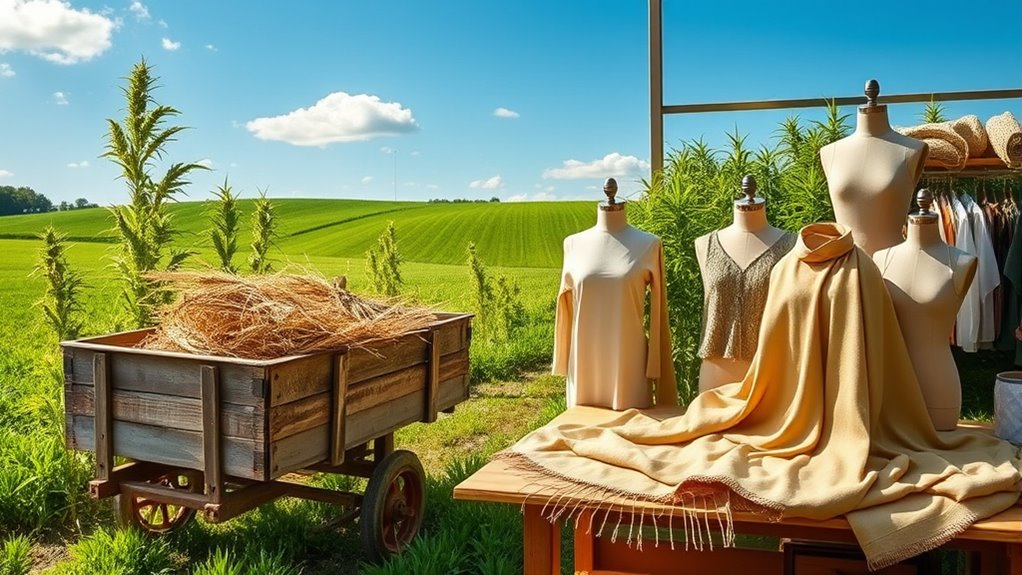
Hemp fabric has gained popularity as an eco-friendly alternative to traditional textiles, offering durability, breathability, and sustainability. When you choose hemp, you’re supporting a crop that can be grown with minimal environmental impact. Unlike conventional fibers, hemp requires little water, no synthetic fertilizers, and fewer pesticides, making sustainable farming practices easier to implement. This not only reduces your carbon footprint but also promotes healthier soil and ecosystems. As more farmers adopt these sustainable methods, hemp’s reputation as an environmentally responsible crop continues to grow. Its fast growth cycle means you get a harvest in just a few months, which further enhances its appeal as a sustainable resource. Additionally, hemp’s high-yield crop capabilities allow for efficient land use, making it an even more attractive option for eco-conscious cultivation.
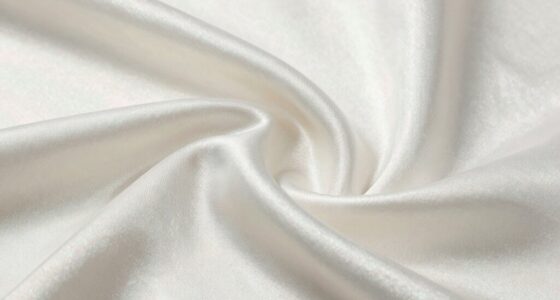
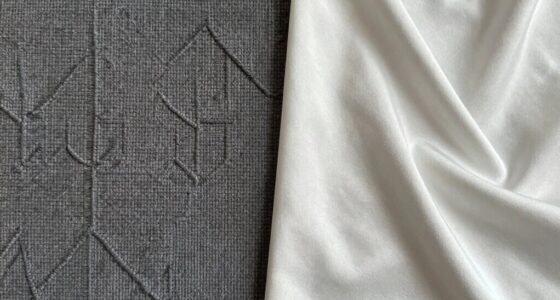
Textile innovation plays a vital role in transforming hemp into versatile fabrics suitable for fashion and everyday wear. Historically, hemp was associated with coarse, rough textiles, but modern processing techniques have revolutionized its potential. You’ll find that hemp fibers can now be spun into soft, lightweight fabrics that rival traditional materials like cotton or linen. Advances in fiber extraction and processing have enabled manufacturers to produce smooth, high-quality textiles that appeal to conscious consumers. These innovations also help improve the durability of hemp fabrics, making them resistant to wear and tear, which extends their lifespan and reduces waste. As textile innovation continues, hemp fabric is becoming more accessible and fashionable, blending sustainability with style.
When you explore hemp fabric, you’re participating in a movement toward more sustainable fashion. Its eco-friendly characteristics are complemented by innovative textile processes that enhance its performance and appeal. Manufacturers are now able to create a broad range of products—from casual clothing to luxury textiles—without compromising environmental principles. The integration of hemp into mainstream fashion is driven by both consumer demand and technological advancements, which keep pushing the boundaries of what hemp can achieve. As you opt for hemp-based garments, you’re supporting sustainable farming practices and encouraging ongoing textile innovation that benefits the planet. This dual focus on eco-conscious cultivation and technological progress makes hemp fabric an attractive choice for anyone committed to reducing environmental impact while enjoying stylish, durable clothing.
Frequently Asked Questions
Is Hemp Fabric Suitable for People With Sensitive Skin?
Yes, hemp fabric is suitable for people with sensitive skin because it’s naturally breathable and hypoallergenic. You’re less likely to experience skin sensitivity or fabric allergies with hemp compared to synthetic materials. Its gentle, soft texture makes it comfortable to wear, even for those with delicate skin. Just verify the hemp is unprocessed or minimally processed to avoid irritation, and always check for any specific sensitivities you might have.
How Long Does Hemp Fabric Last Compared to Cotton?
Hemp fabric generally lasts longer than cotton due to its durability. In a durability comparison, hemp resists wear and tear better, making it a smarter investment. Longevity factors like fiber strength and how you care for it also influence its lifespan. With proper maintenance, hemp can easily last 20-30 years, while cotton might need replacement after a few years. So, if durability matters, hemp is the better choice.
Can Hemp Fabric Be Ethically Sourced Globally?
Yes, you can ethically source hemp fabric globally. Look for brands with global certification and fair trade practices, ensuring the hemp is cultivated responsibly and workers are treated fairly. By choosing certified hemp, you support sustainable farming methods and ethical production standards. This way, you help promote environmentally friendly practices worldwide while enjoying high-quality, durable hemp fabric that aligns with your values.
What Are the Environmental Impacts of Hemp Farming?
Like a guardian of Earth’s balance, you should know hemp farming benefits soil health by replenishing nutrients and reducing erosion. It also requires less water compared to other crops, saving precious resources. However, it’s essential to take into account local practices, as improper cultivation can lead to soil degradation or water overuse. Overall, when managed responsibly, hemp farming offers a sustainable way to produce eco-friendly fabric that supports our planet.
Is Hemp Fabric Biodegradable and Eco-Friendly After Disposal?
Yes, hemp fabric is biodegradable and eco-friendly after disposal. Its biodegradability benefits mean it naturally breaks down without releasing harmful chemicals, making it a sustainable choice. When you choose hemp, you support eco-friendly disposal, reducing waste and environmental impact. Hemp’s natural fibers decompose quickly in soil, helping you minimize your carbon footprint and promote a greener, healthier planet.
Conclusion
By choosing hemp fabric, you’re not just picking a material—you’re revolutionizing the planet, fighting off pollution, and saving entire ecosystems with every thread. It’s more than fashion; it’s a movement that could turn Earth’s future from doom to bloom. So, wear hemp proudly and realize that your simple choice holds the power to reshape the world—because in the grand scheme, your decision might just be the most important act of rebellion against environmental destruction ever made.
Fall Picks
fall essentials
As an affiliate, we earn on qualifying purchases.