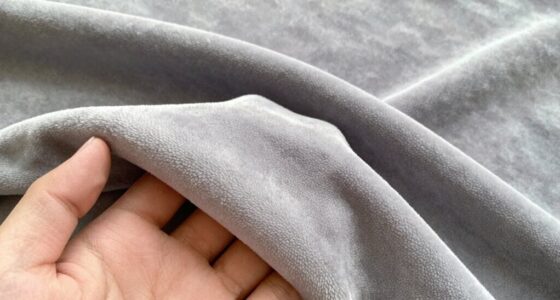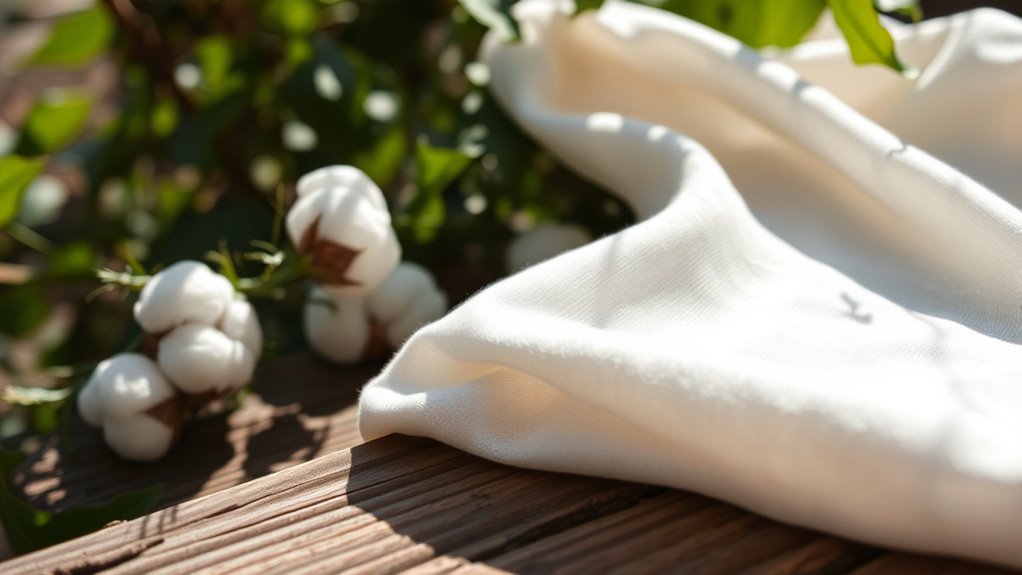

Organic cotton is grown without synthetic pesticides, fertilizers, or chemicals, making it better for your health and the environment. It supports sustainable farming practices that protect soil, water, and biodiversity, reducing pollution and your carbon footprint. Fabrics made from organic cotton are softer, safer for sensitive skin, and more durable, ensuring long-lasting garments. By choosing organic cotton, you’re making a positive impact on communities and ecosystems—discover more about its many benefits and uses below.

Get your wardrobe favorites delivered free — and shop member deals
- Fast, free delivery on millions of items
- Access to Prime Big Deal Days deals on October 6–7
- Prime Video, Amazon Music and more included
Key Takeaways
- Organic cotton is grown using eco-friendly methods that avoid synthetic pesticides and fertilizers, promoting soil health and biodiversity.
- It offers health benefits by being free from harmful residues, making textiles safer for sensitive skin and reducing allergic reactions.
- Organic cotton reduces environmental pollution, conserves water, and lowers carbon emissions compared to conventional cotton farming.
- It supports fair wages and safe working conditions for farmers, benefiting local communities and promoting ethical practices.
- Organic cotton produces durable, high-quality textiles suitable for everyday use, aligning with sustainable and eco-conscious lifestyles.

Have you ever wondered what makes organic cotton a better choice for the environment and your health? The answer lies in how it’s grown and processed. Unlike conventional cotton, organic cotton is cultivated through sustainable farming practices that prioritize soil health, water conservation, and biodiversity. When farmers avoid synthetic pesticides and fertilizers, they reduce chemical runoff, protect wildlife, and maintain the land’s natural vitality. This approach not only benefits the environment but also results in textiles that are free from harmful residues, making organic cotton a safer option for your skin and overall well-being.
Organic cotton is grown sustainably, avoiding harmful chemicals to protect the environment and your health.
By choosing products made from organic cotton, you’re supporting eco friendly textiles that are created with minimal environmental impact. These textiles are produced without the use of toxic dyes and chemicals often found in conventional manufacturing, which means fewer pollutants are released into the air, water, and soil. This sustainable process helps preserve natural resources and reduces your carbon footprint, making it a responsible choice for eco-conscious consumers. When you opt for organic cotton, you’re participating in a movement that encourages sustainable farming practices, fostering healthier ecosystems and promoting fair labor conditions.
Organic cotton also offers practical benefits beyond its environmental impact. Because it’s grown without synthetic chemicals, it’s gentler on your skin, reducing the risk of irritation and allergic reactions. This makes it especially suitable for babies, people with sensitive skin, or those seeking a more natural lifestyle. Its softness and durability are comparable to conventional cotton but with the added reassurance that it’s produced in a way that respects the planet. Additionally, organic cotton fibers tend to be more resilient due to the healthier soil and farming practices, leading to longer-lasting garments and textiles.
Furthermore, the absence of synthetic pesticides in organic cotton cultivation helps prevent the development of resistant pests, reducing the need for harmful chemical interventions and supporting overall ecosystem health. When you choose organic cotton products, you’re not just getting high-quality textiles—you’re supporting a system that promotes sustainable farming. This means farmers are paid fair wages and work in safer conditions, and local communities often benefit from the increased demand for eco friendly textiles. Your purchase helps encourage more farmers to adopt environmentally responsible methods, creating a ripple effect that benefits everyone involved.
In essence, organic cotton embodies a conscious choice that aligns with a sustainable lifestyle. It’s a fabric rooted in principles of environmental stewardship, social responsibility, and health consciousness. Every time you buy organic cotton, you’re making a statement that you value the planet’s future and your well-being. It’s more than just a fabric; it’s a way to promote better farming practices, reduce pollution, and enjoy high-quality textiles that are truly good for you and the environment.
Frequently Asked Questions
How Does Organic Cotton Compare in Durability to Conventional Cotton?
You’ll find that organic cotton generally offers comparable durability to conventional cotton due to similar cotton fiber strength. With proper care, organic cotton fabric tends to last just as long, maintaining its quality over time. While some believe conventional cotton might be more durable, organic options often excel in fabric longevity because they’re grown without chemicals, resulting in stronger fibers that resist wear and tear better in the long run.
Is Organic Cotton More Resistant to Pests Without Chemicals?
Imagine a fortress so strong that pests can’t breach it—organic cotton is just like that. It’s naturally more resistant to pests because it relies less on chemical dependence, reducing the need for pesticides. This pest resistance means you don’t need harmful chemicals to protect your crops, making organic cotton an eco-friendly choice. You’ll enjoy healthier, more resilient fibers that stand up to nature’s challenges without chemical help.
Can Organic Cotton Be Dyed With Natural or Eco-Friendly Dyes?
Yes, you can dye organic cotton with natural or eco-friendly dyes. Natural dyeing involves using plant-based pigments, which are gentle on the environment, and eco-friendly pigments are specially formulated to reduce pollution. When you choose these methods, you guarantee your organic cotton remains eco-conscious from farm to finish. It’s a beautiful way to create vibrant, sustainable textiles while respecting nature and promoting eco-friendly practices.
What Certifications Verify Organic Cotton’s Authenticity?
You can verify organic cotton’s authenticity through certifications like GOTS (Global Organic Textile Standard) and OEKO-TEX. These certification standards guarantee that the cotton meets strict environmental and social criteria, providing authenticity verification. When shopping, look for labels from reputable certifiers to confirm the organic claims. This way, you ensure the cotton you’re using truly adheres to eco-friendly practices and maintains high quality standards.
How Does Organic Cotton Impact Soil Health During Cultivation?
Did you know organic cotton farming improves soil health considerably? By avoiding synthetic chemicals, you enhance soil enrichment and boost microbial activity, which helps maintain a balanced ecosystem. This method encourages natural nutrient cycling, reduces soil erosion, and promotes sustainable farming practices. As a result, your cultivation supports healthier soils, leading to better crop yields over time and less environmental impact, making organic cotton a smart choice for eco-conscious growers.
Conclusion
Choosing organic cotton is like planting seeds for a greener tomorrow. It supports sustainable farming, keeps harmful chemicals out of your wardrobe, and benefits both the environment and your health. By making this switch, you’re weaving a future that’s softer on the planet—like a gentle breeze guiding us toward a more sustainable world. So, embrace organic cotton and let your choices bloom into a beautiful, eco-friendly tapestry for generations to come.
Fall Picks
fall essentials
As an affiliate, we earn on qualifying purchases.